
Top 5 UNESCO World Heritage Sites in Asia

UNESCO World Heritage Sites in Asia
When travelling, some places are beautiful enough to make you stop for a photograph.
Others are so memorable that you find yourself talking about them long after you return home.
Often, these are places rich in history.
Places where every street, every building and every corner has a story to tell.
Across Asia, there are many such destinations recognised as UNESCO World Heritage Sites.
Among them, there are places where heritage feels completely different.
Imagine enjoying breakfast inside a century-old shophouse.
Walking past beautifully preserved buildings where families still live upstairs.
Stopping for coffee inside a former warehouse.
Or watching children walk to school along streets that have remained part of everyday life for more than a century.
These are the kinds of places that make you slow down—not because there is so much to see, but because there is so much to feel.
Let’s explore five UNESCO World Heritage Sites in Asia that deserve a place on every traveller’s bucket list.
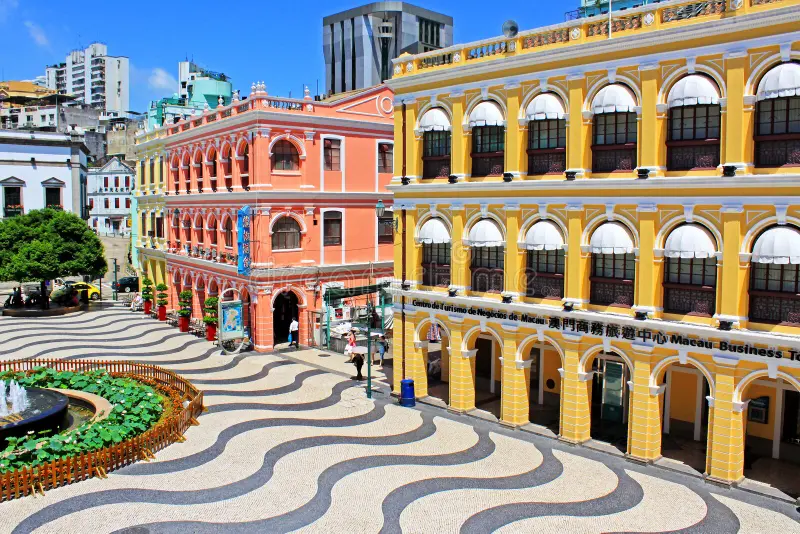
5. Historic Centre of Macau, China
Most people associate Macau with its dazzling casinos.
Yet hidden behind the modern skyline lies one of Asia’s most fascinating historic districts.
Walking through Senado Square, the Ruins of St. Paul’s and the surrounding streets feels like stepping into a meeting point between East and West.
Portuguese architecture blends naturally with Chinese culture, creating a city unlike anywhere else in Asia.
One moment you’re admiring a European-style church.
A few minutes later, you’re standing inside a centuries-old Chinese temple.
That contrast is what makes Macau so memorable.
4. Historic Monuments of Ancient Kyoto, Japan
Kyoto feels elegant.
Not loud.
Not dramatic.
Just quietly beautiful.
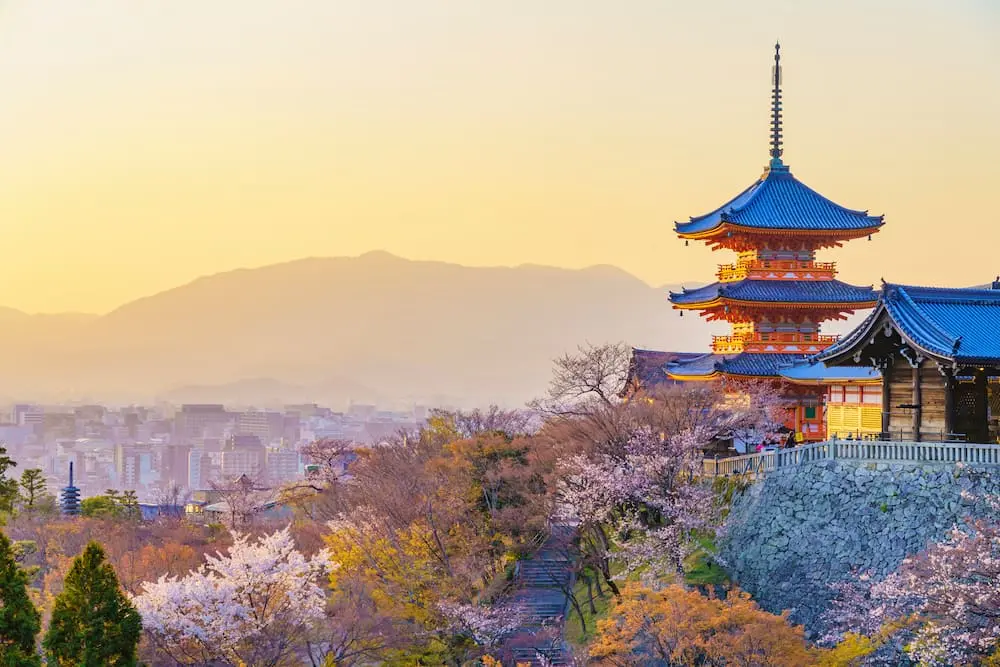
Ancient temples, peaceful Zen gardens, wooden machiya houses and carefully designed landscapes have survived for centuries.
Spring brings delicate cherry blossoms.
Autumn paints the city with fiery red maple leaves.
Unlike many destinations that encourage rushing from one attraction to another, Kyoto rewards those who slow down.
Sometimes the most memorable experience is simply sitting inside a traditional Japanese garden and listening to the wind move through the trees.
3. Hoi An Ancient Town, Vietnam
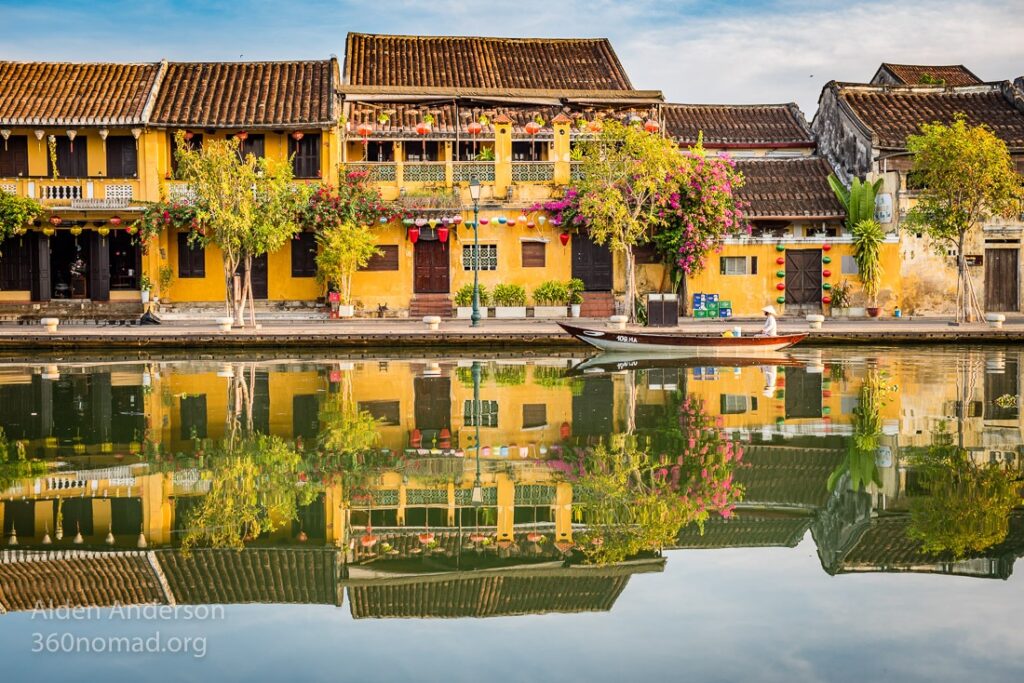
As evening approaches, Hoi An begins transforming.
Thousands of colourful lanterns slowly light up the ancient town.
Their reflections dance gently across the river.
It is one of Vietnam’s most photographed scenes—and understandably so.
But beyond the lanterns lies another charm.
Old merchant houses.
Traditional tailor shops.
Small family-run cafés.
Quiet riverside streets.
Hoi An reminds visitors that sometimes a heritage town does not need to be grand to leave a lasting impression.
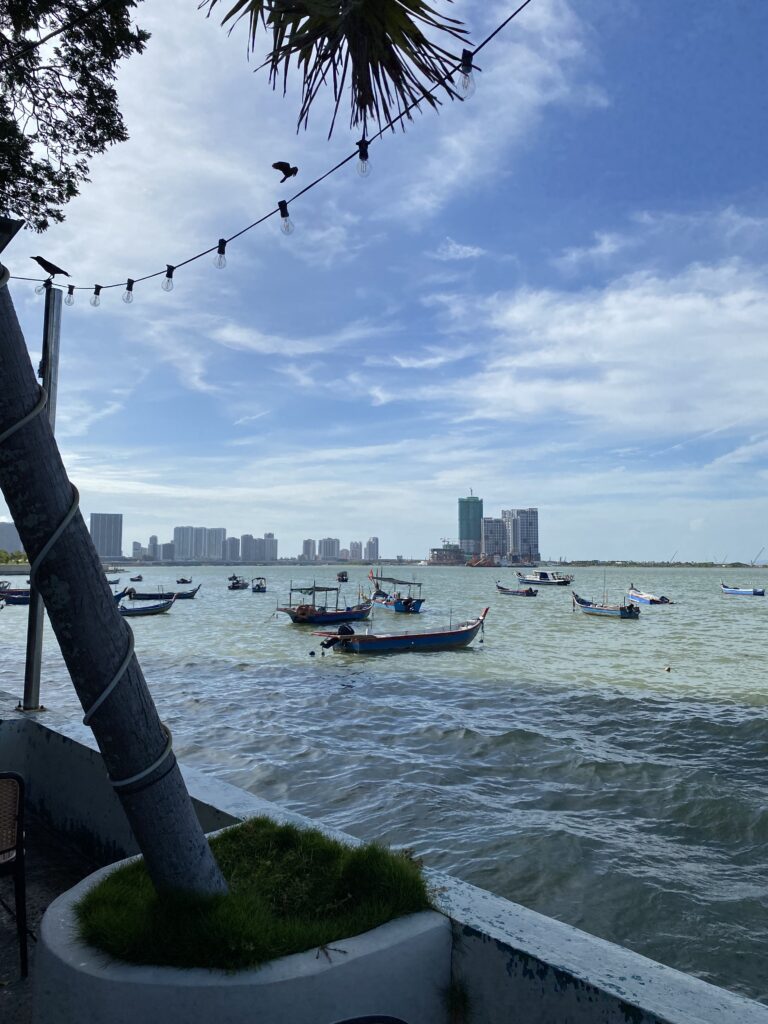
2. George Town, Penang, Malaysia
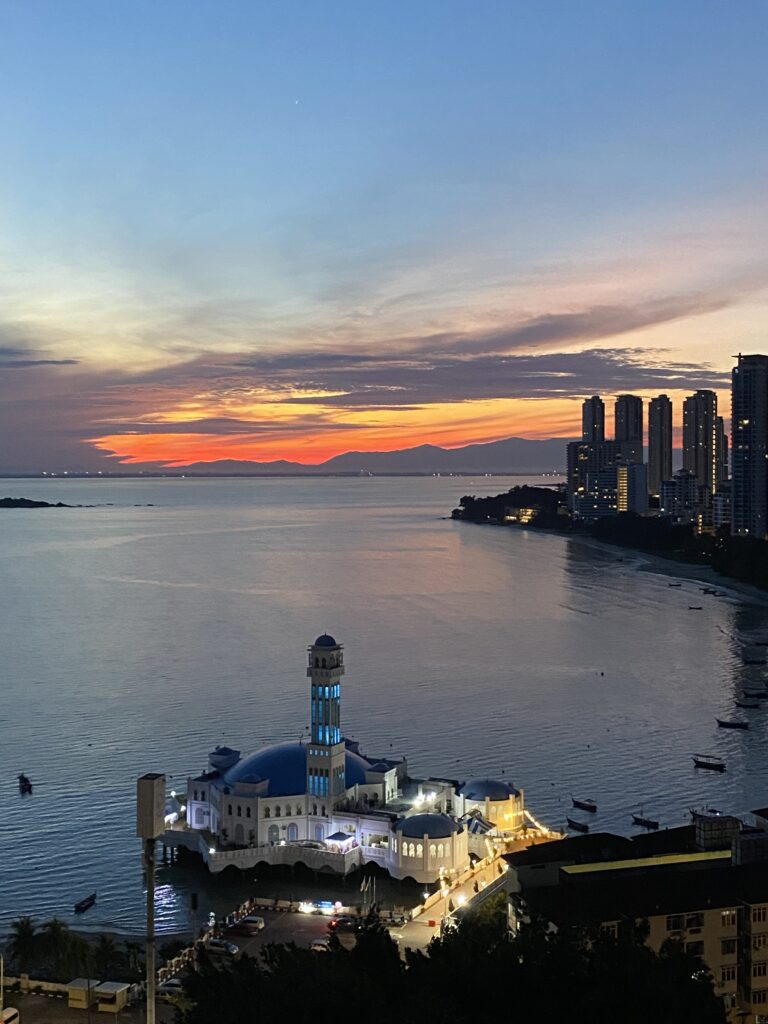
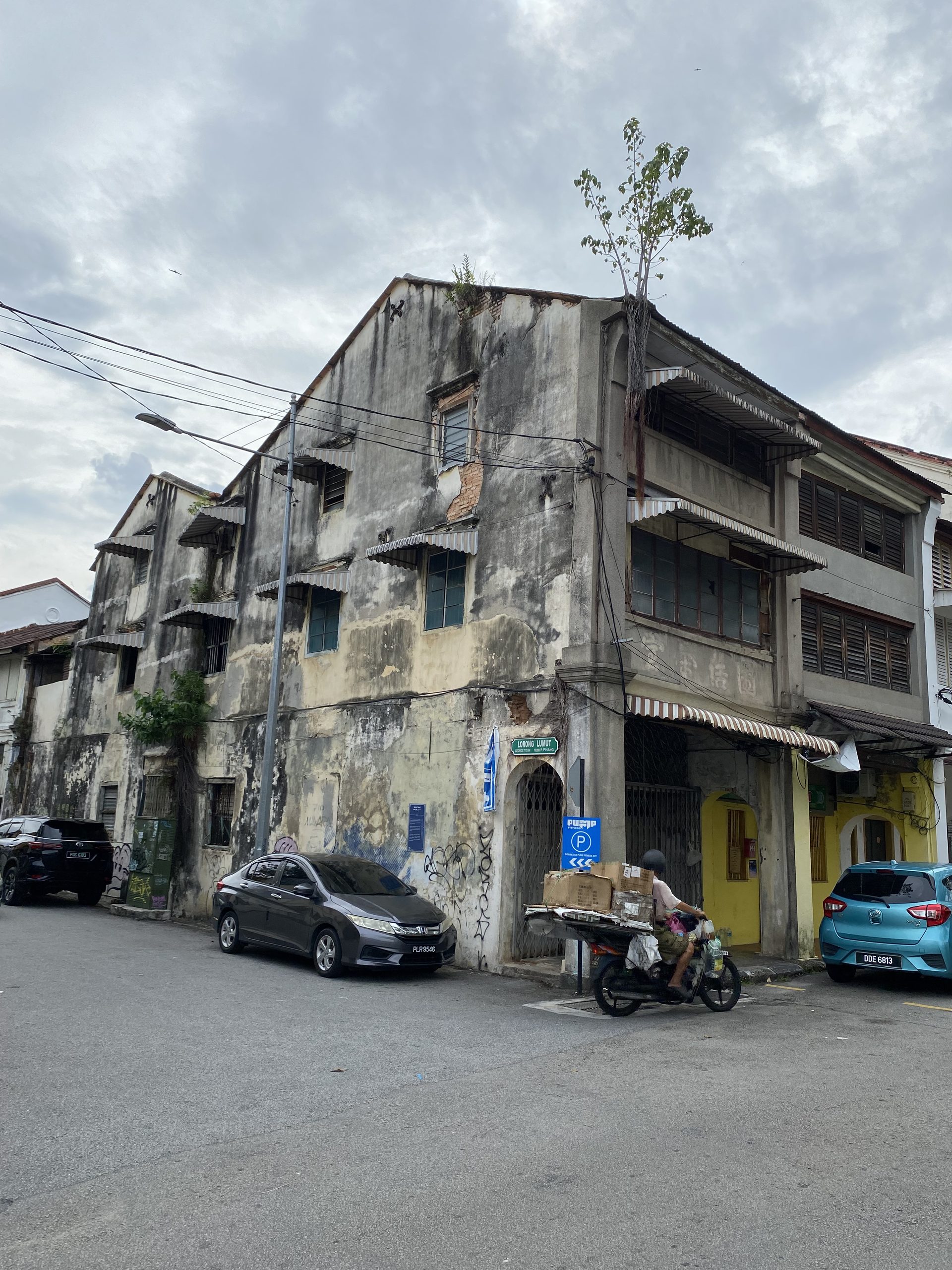
Among all the UNESCO World Heritage Sites in Asia, George Town offers a heritage experience that feels noticeably different.
Many UNESCO sites preserve history.
George Town continues living it.
Walk through the heritage streets and you will quickly notice something unusual.
The century-old shophouse in front of you may be:
- a café
- a boutique hotel
- a traditional Chinese medicine shop
- a law office
- an art gallery
- someone’s family home
History is not locked behind fences.
It is simply part of everyday life.
That is perhaps George Town’s greatest uniqueness.
Unlike many heritage destinations where visitors arrive during the day and leave in the evening, George Town remains lively from morning until night.
Early in the morning, coffee shops begin serving breakfast.
Traditional bakeries prepare fresh pastries.
Children walk to school.
Office workers head to work.
As evening approaches, hawker stalls come alive.
Families gather for dinner.
Friends meet at cafés housed inside beautifully restored heritage buildings.
The city never feels like an open-air museum.
It feels like a real city.
Another remarkable feature is its multicultural character.
Within just a short walk, visitors can encounter:
- Chinese temples
- Hindu temples
- mosques
- churches
- clan houses
- colonial buildings
all standing peacefully alongside one another.
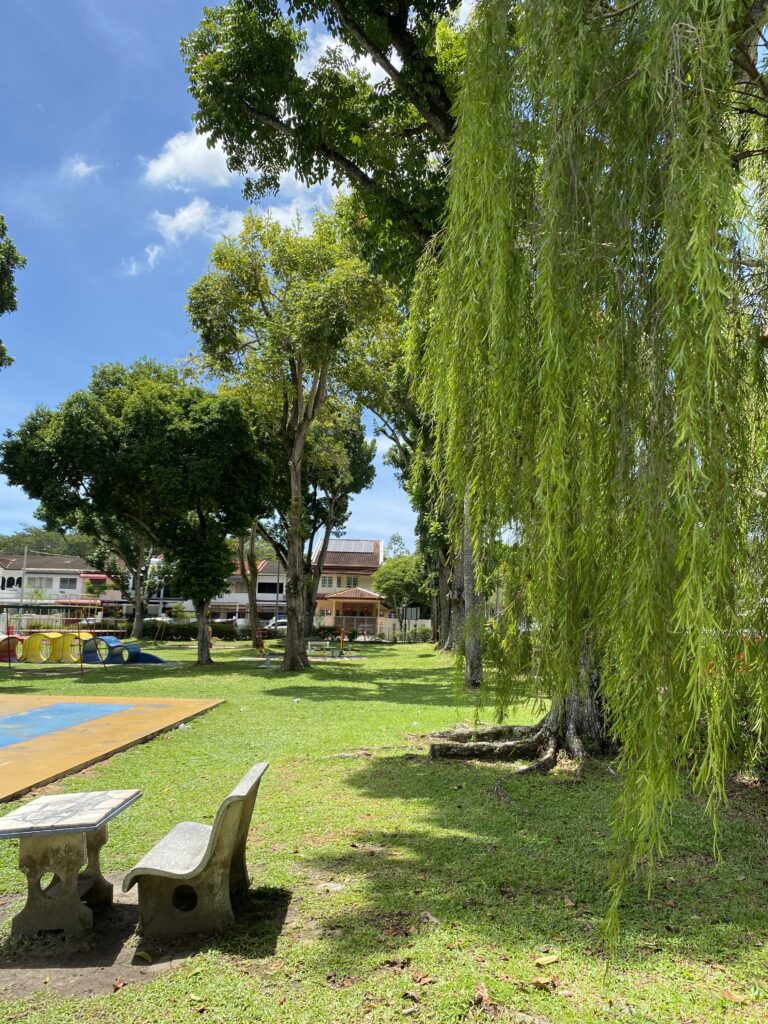
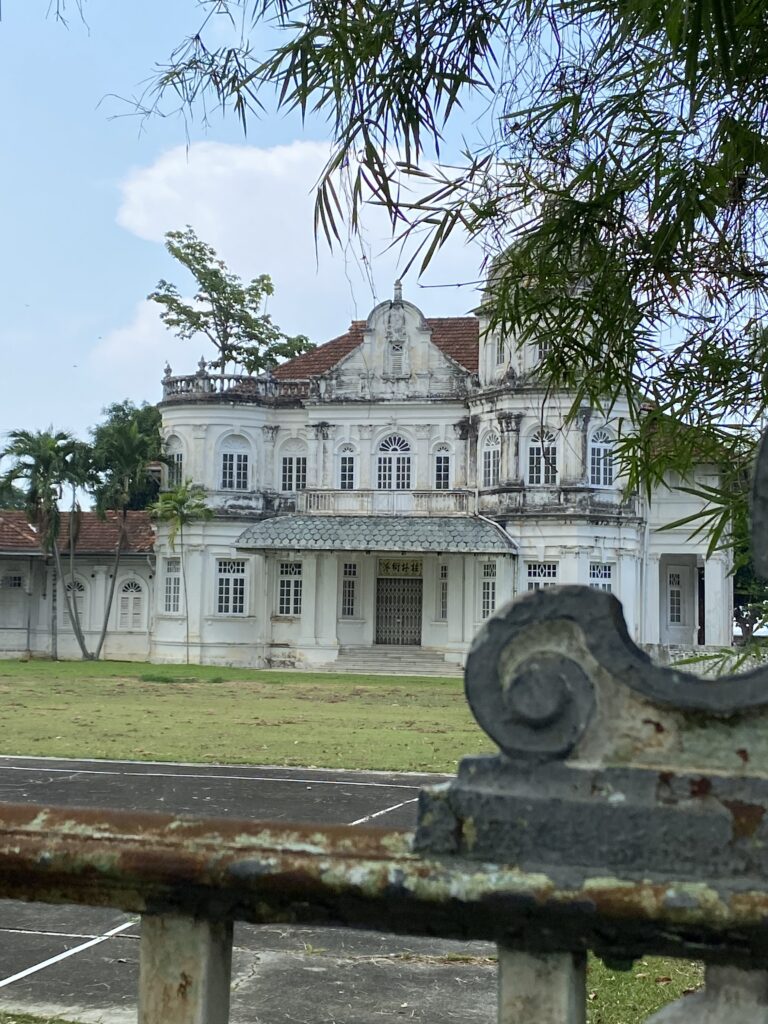
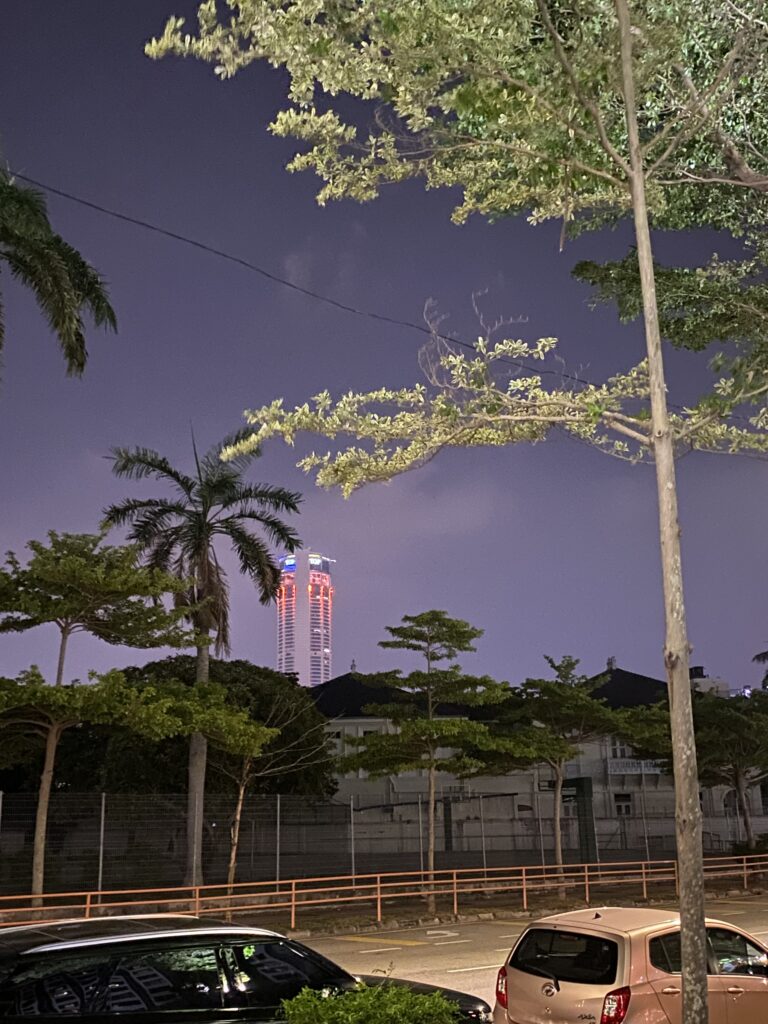
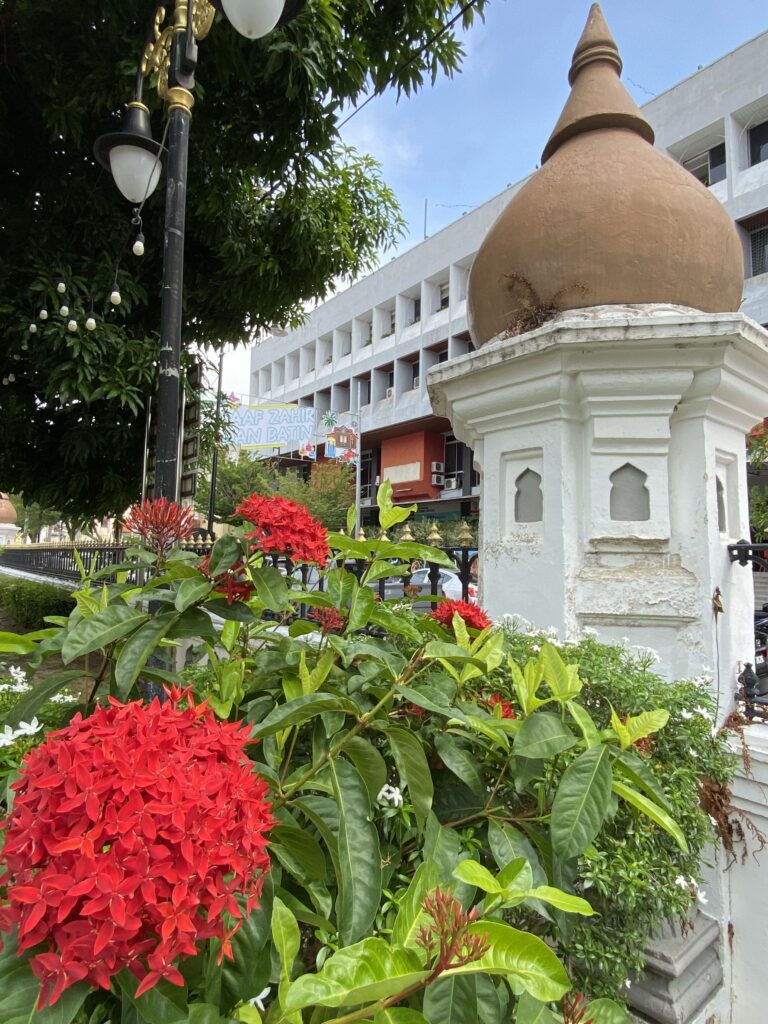
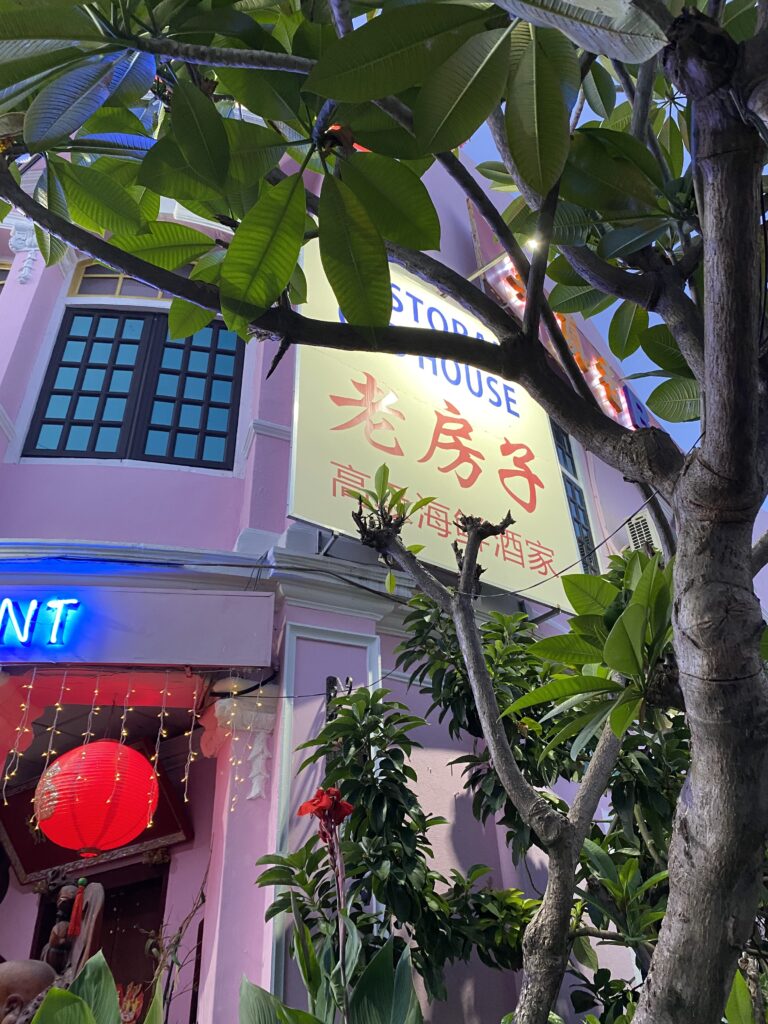
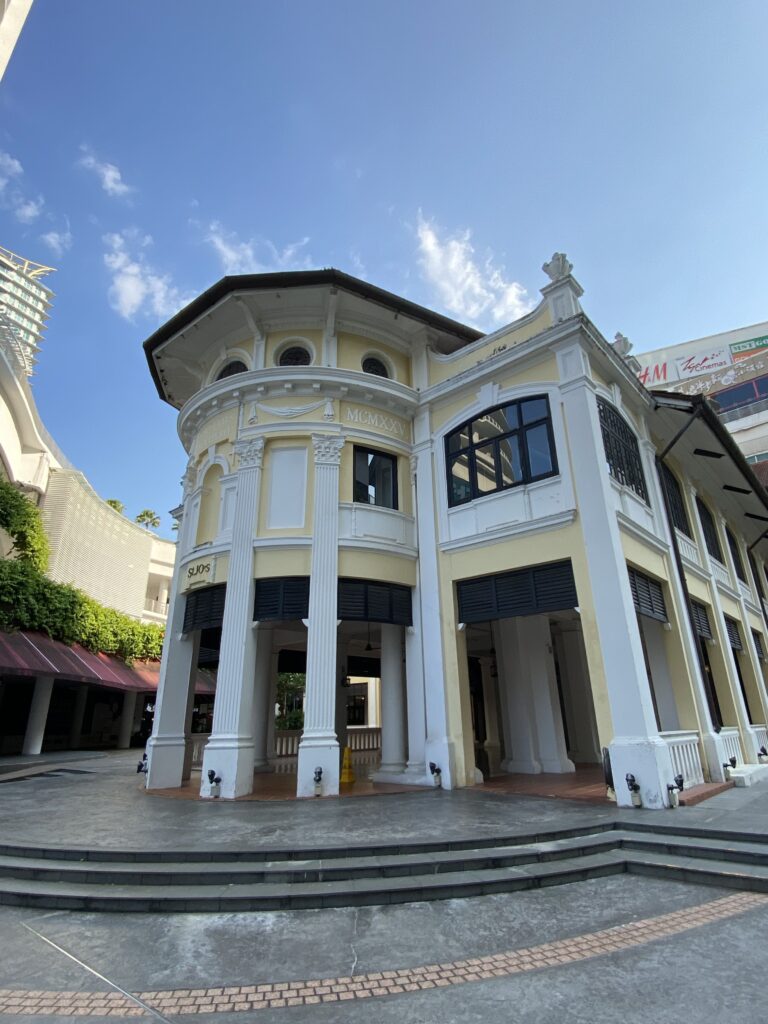
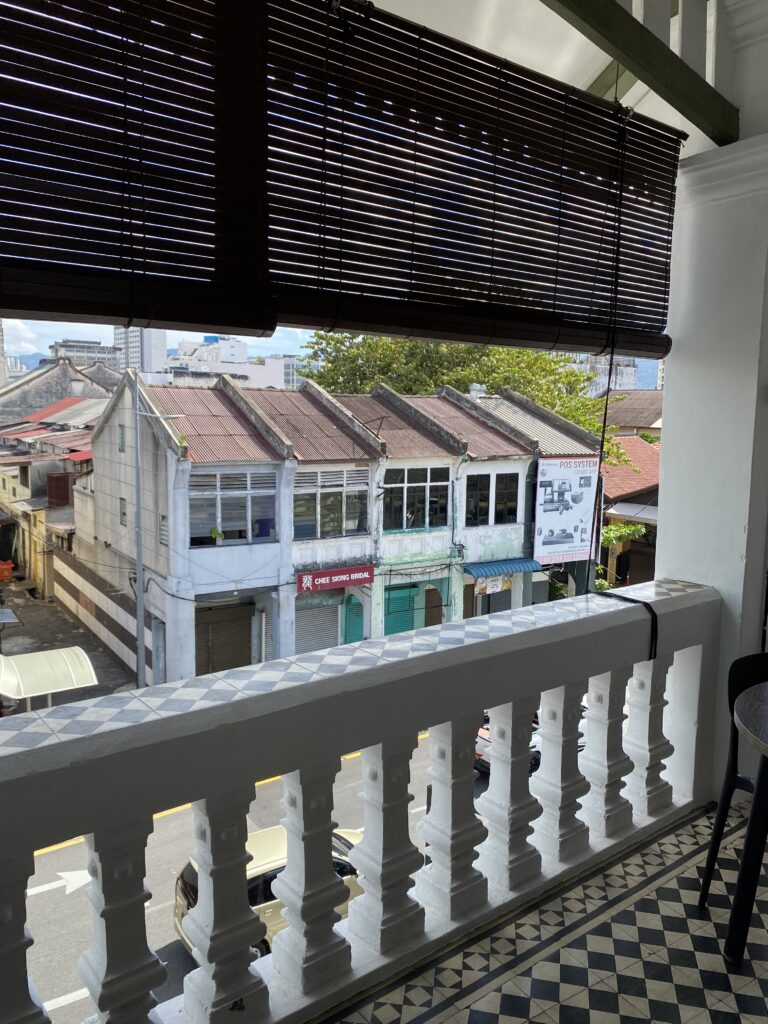
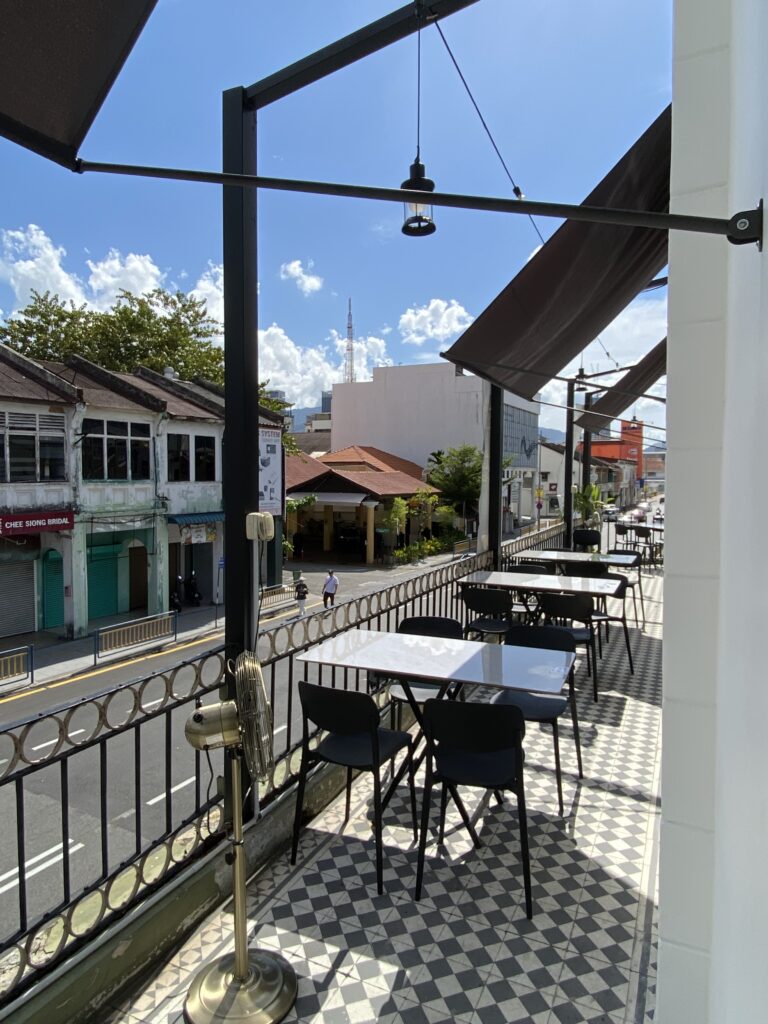
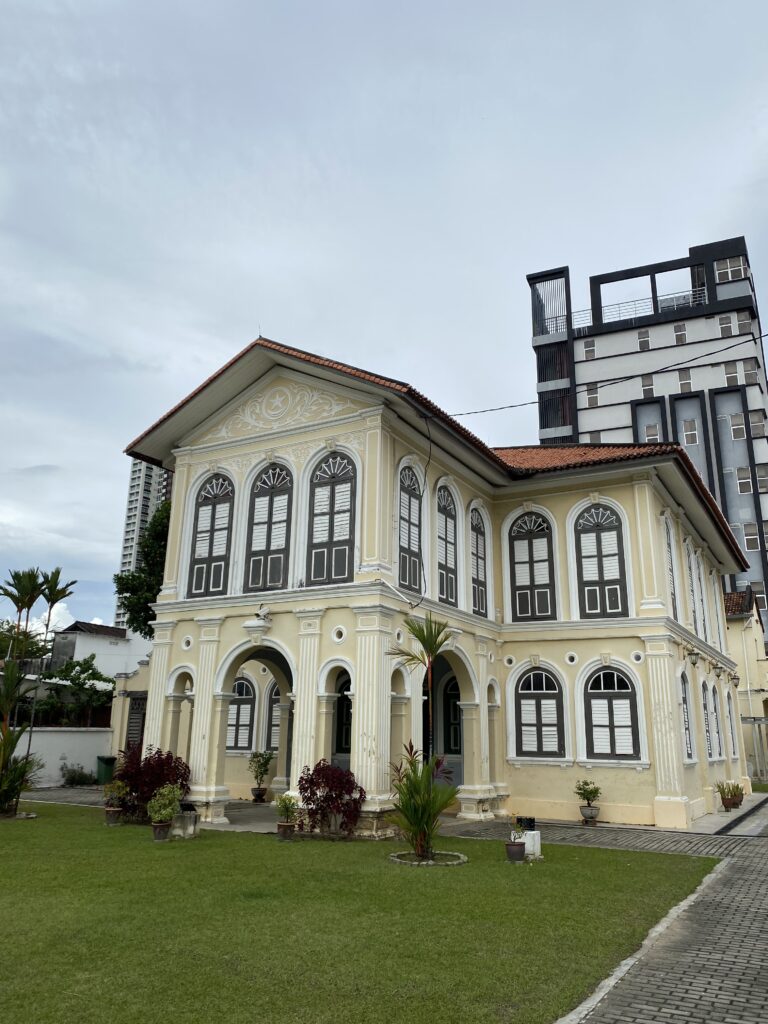
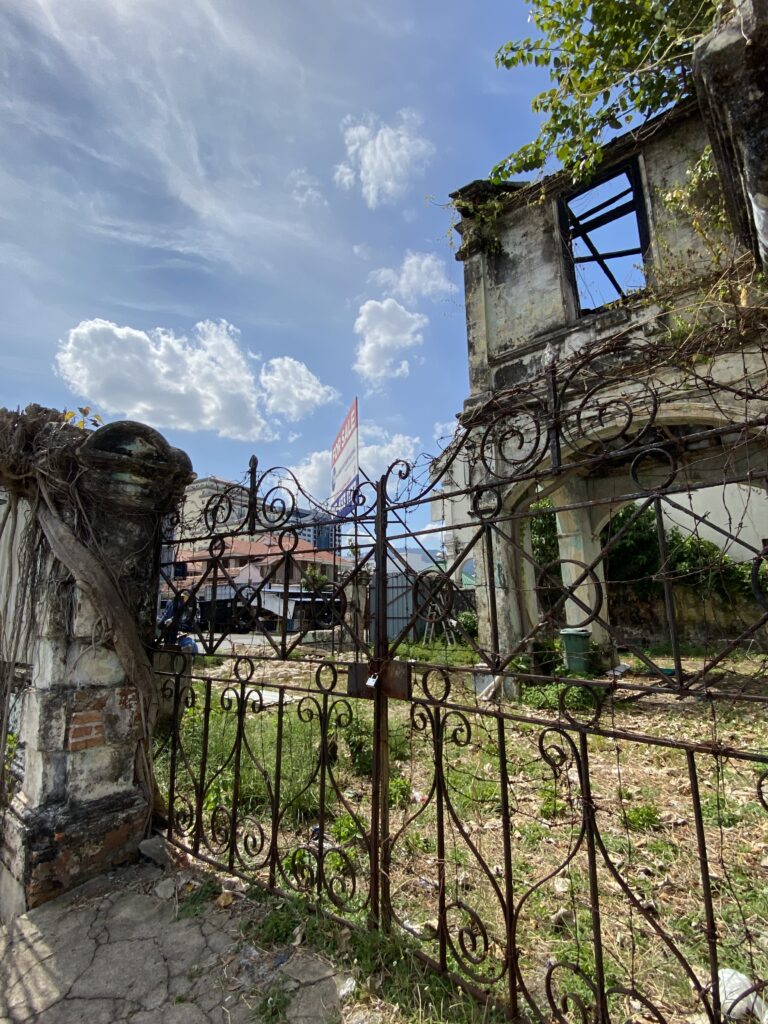

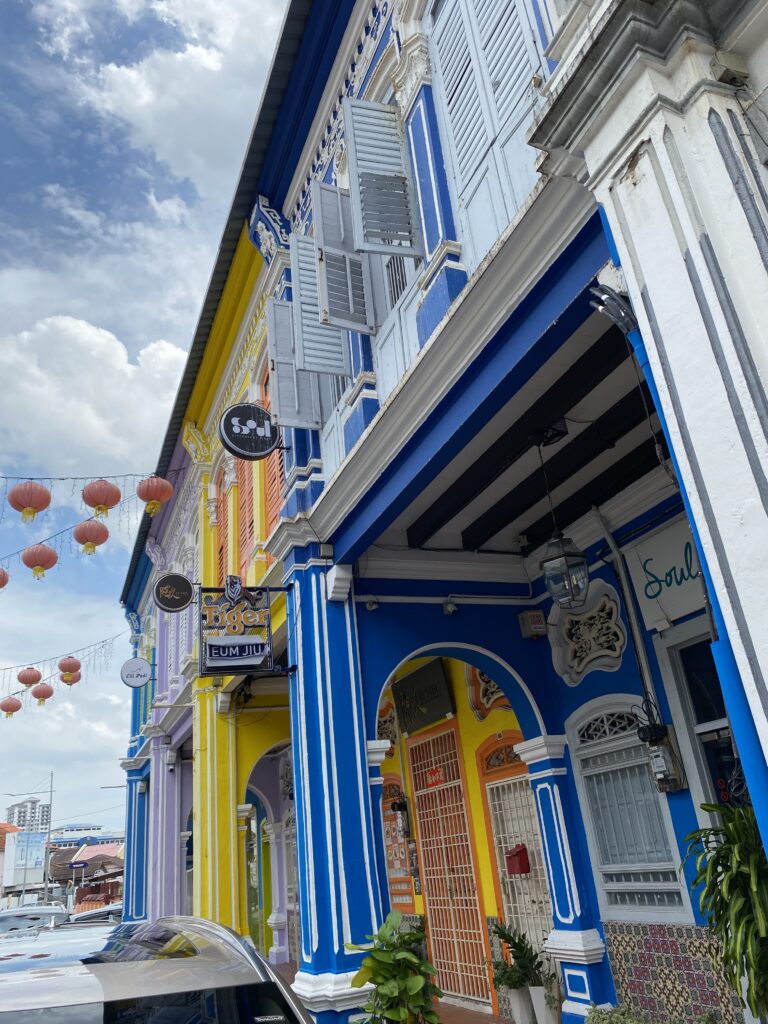
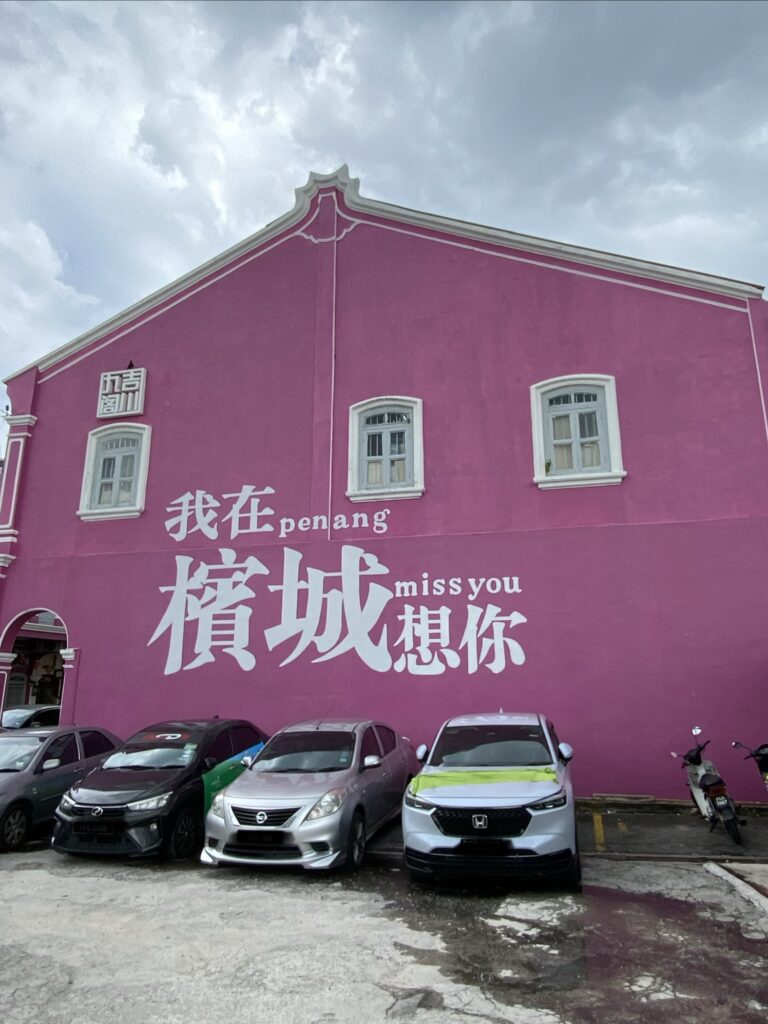
Few UNESCO World Heritage Sites in Asia showcase such a rich blend of cultures within a relatively compact historic city.
George Town also demonstrates how heritage can evolve without losing its identity.
Old warehouses have become cafés.
Historic mansions now welcome guests as boutique hotels.
Former shophouses continue serving new generations while preserving their original architectural details.
Instead of freezing the city in time, George Town has found a way to let history continue growing alongside modern life.
Perhaps that is why visitors often return.
Not because they have seen everything.
But because the city continues changing while somehow remaining wonderfully familiar.

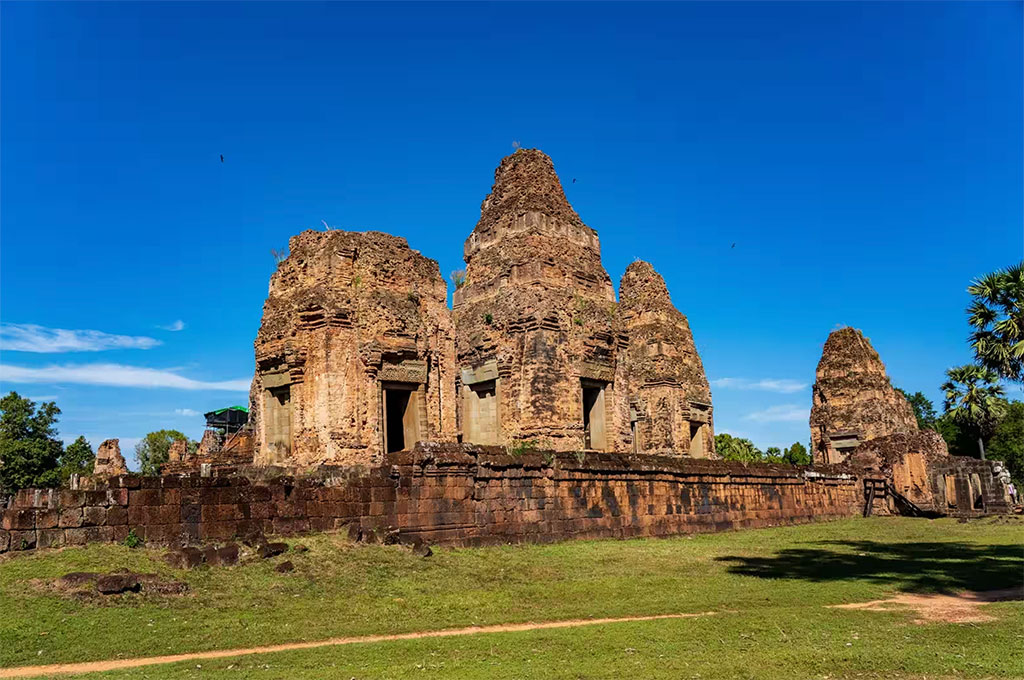
1. Angkor Archaeological Park, Cambodia
Few places leave a first impression quite like Angkor.
Watching the sun slowly rise behind Angkor Wat is an experience many travellers never forget.
As the morning light gradually illuminates the ancient stone towers, the entire temple complex seems to come alive.
Beyond Angkor Wat itself are hundreds of temples spread across forests and ancient reservoirs.
Each tells a story of one of Southeast Asia’s greatest civilisations.
Walking through Angkor often feels less like visiting a monument and more like exploring a forgotten city waiting to be rediscovered.
Five Places. Five Different Stories.
Each UNESCO World Heritage Sites is unique.
Each represents something different.
Angkor showcases the greatness of an ancient empire.
Kyoto preserves centuries of Japanese tradition.
Hoi An captures the charm of an old trading port.
Macau reflects centuries of cultural exchange between East and West.
George Town, meanwhile, tells a slightly different story.
It reminds us that heritage does not always belong in museums.
Sometimes, heritage is where people buy breakfast before work.
Where grandparents still live above century-old shophouses.
Where cafés operate inside restored warehouses.
Where traditional trades continue alongside modern businesses.
History is not simply preserved.
It continues living.
And perhaps that is what makes George Town one of the best and most fascinating UNESCO World Heritage Sites in Asia.
Not because it is the oldest.
Or the grandest.
But because it allows visitors to experience history as part of everyday life.
FAQs
1. What are some of the best UNESCO World Heritage Sites in Asia?
Popular UNESCO World Heritage Sites in Asia include Angkor (Cambodia), George Town (Malaysia), Kyoto (Japan), Hoi An (Vietnam), and Macau’s Historic Centre.
2. Why is George Town, Penang, a UNESCO World Heritage Site?
George Town is recognised for its exceptionally well-preserved multicultural trading heritage, historic architecture, and unique blend of Asian and European influences.
3. What makes George Town different from other UNESCO World Heritage Sites in Asia?
George Town is a living heritage city where people still live, work, worship, dine, and run businesses inside beautifully preserved heritage buildings, making history part of everyday life.


Post Comment