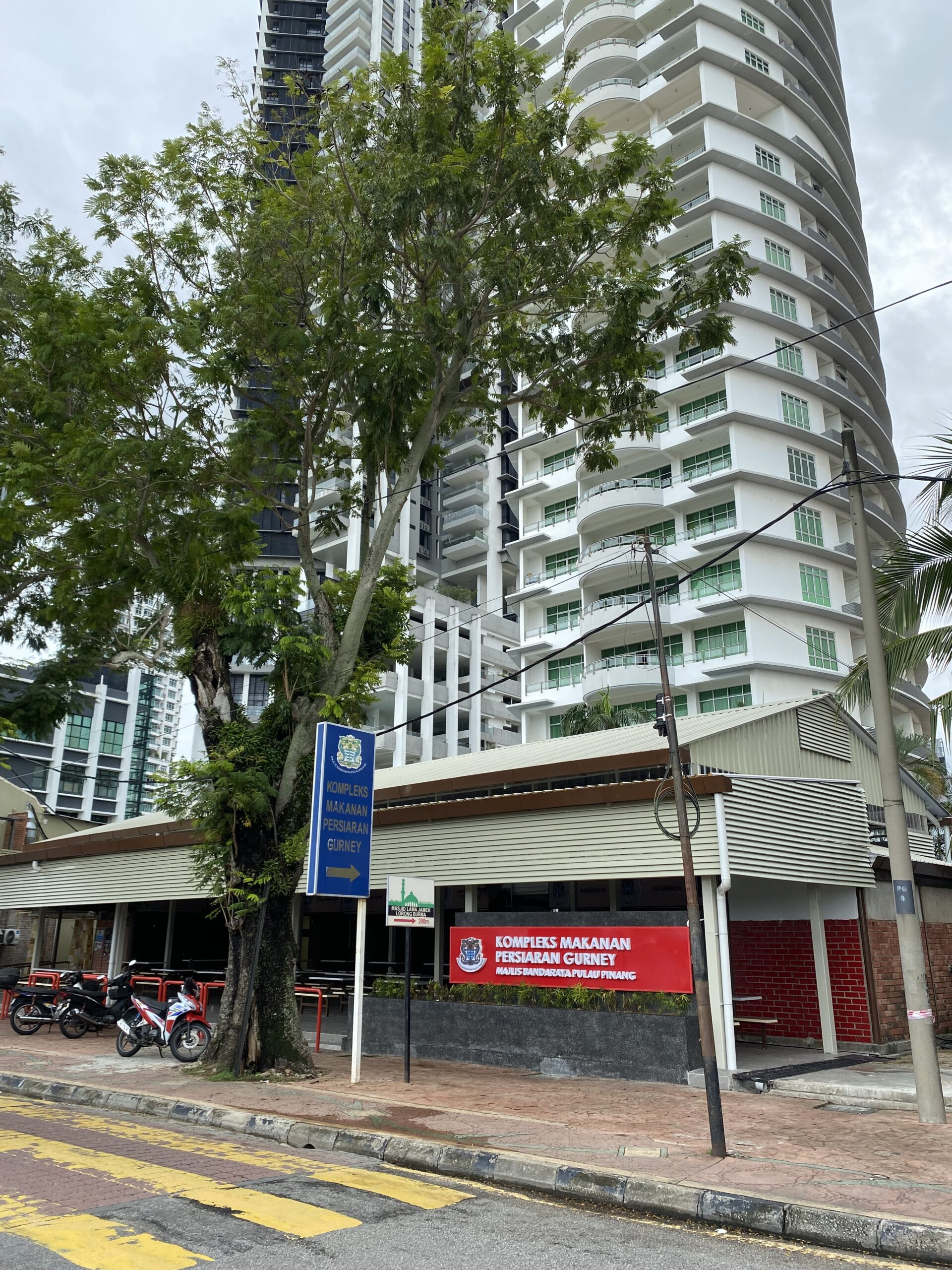
40 Years On, Gurney Food Complex Gets a Fresh New Look to Welcome Foodies & Travellers
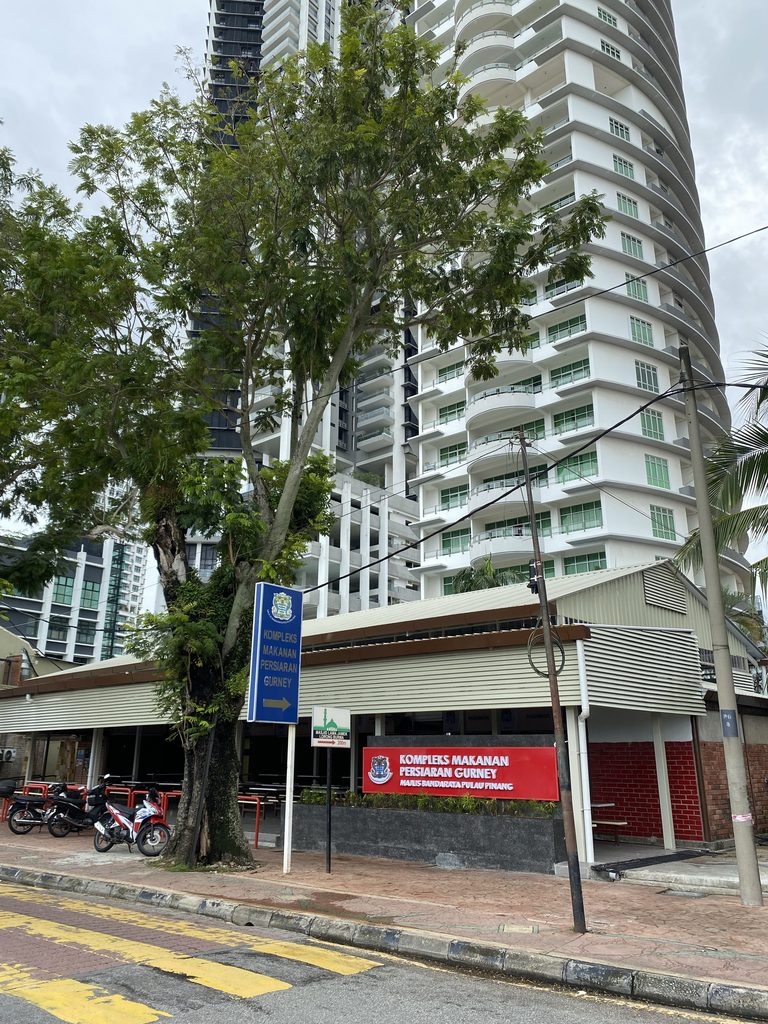
If you have spent enough time around Gurney Drive, you will know that food is part of the experience. A meal here can be as simple as stopping for a quick bite after running errands, meeting a friend for lunch or finding somewhere to eat after an evening stroll by the sea.
Now, one of the area’s older food spots has a reason to celebrate.
The Kompleks Makanan Persiaran Gurney, near Gurney Bay Phase 2, has received a major upgrade (RM455,055) after roughly 40 years without a major refurbishment. The improvement project was carried out by the Penang Island City Council (MBPP), with funding from the Ministry of Housing and Local Government (KPKT). Work ran from May to September 2026. (Buletin Mutiara)
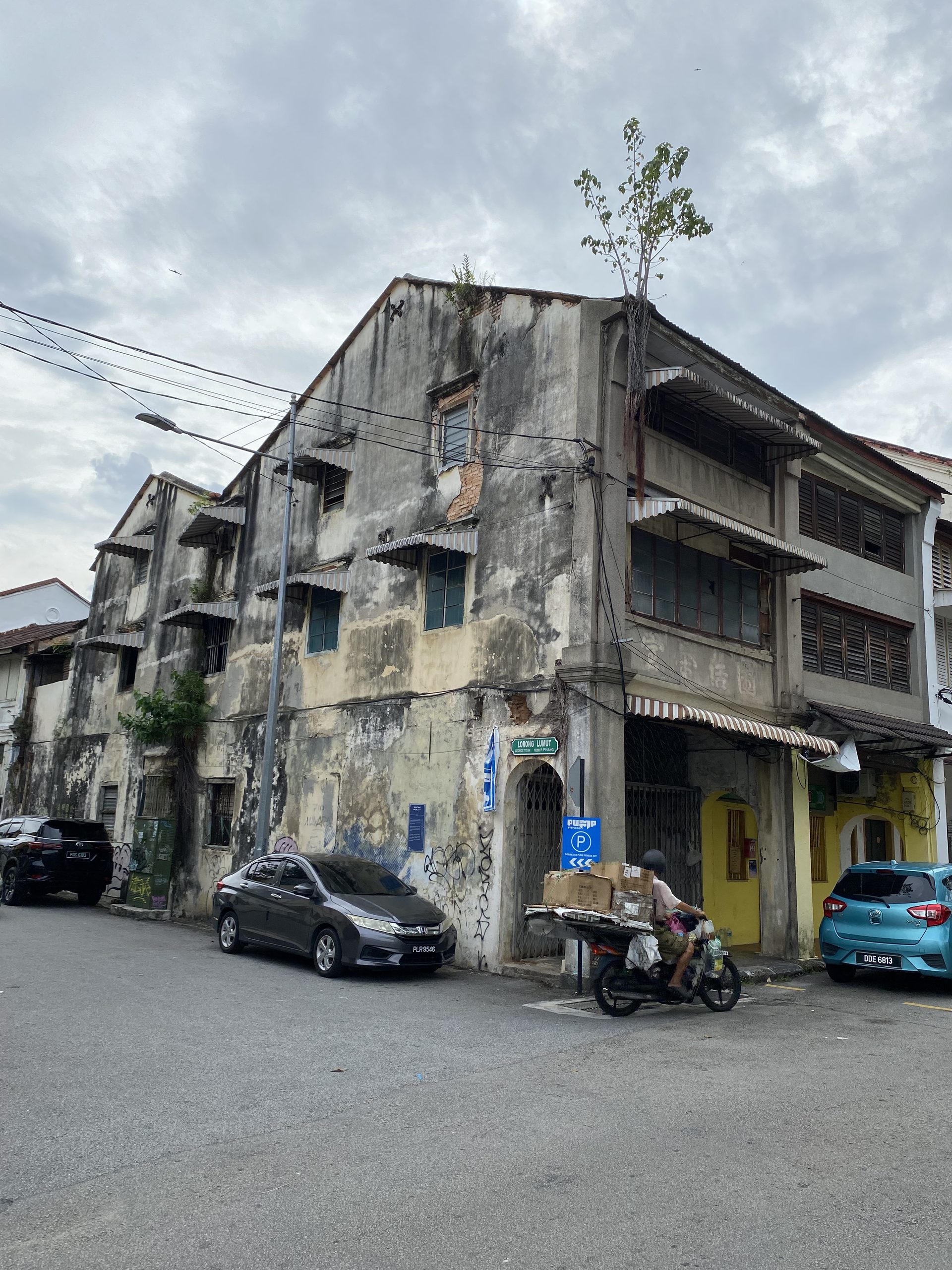
For years, many people visiting Gurney Drive, including Penang locals, may have walked past this food complex without giving it a second glance. With its ageing, run-down appearance, the place had almost faded into the background, easily overlooked amid the buzz and attractions of the surrounding area. Now, after four decades, the makeover gives this long-neglected spot a chance to catch people’s attention again.
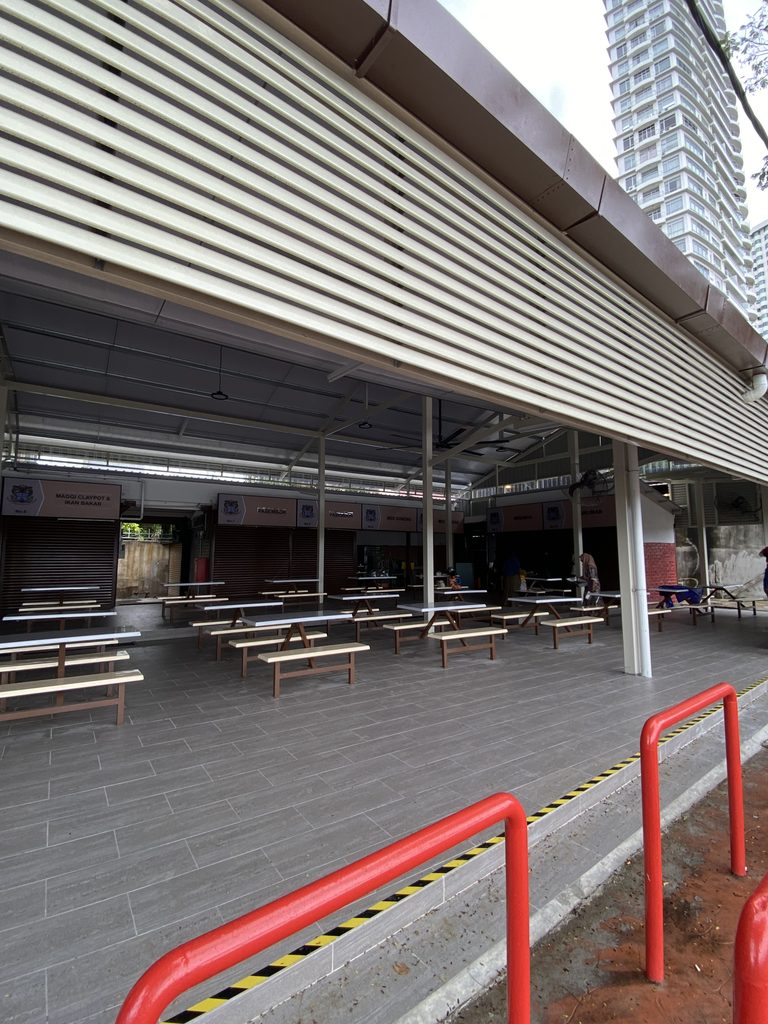
What Has Changed at Gurney Food Complex?
Built in 1985, the food complex had not undergone a major upgrade on this scale before the latest project. The renovation focuses on making the premises more comfortable, functional and easier to maintain. (Buletin Mutiara)
Here are some of the main improvements.
1. A New Roof and Better Ventilation
Anyone who has eaten at a busy hawker centre knows how warm it can get, especially when the lunch crowd arrives.
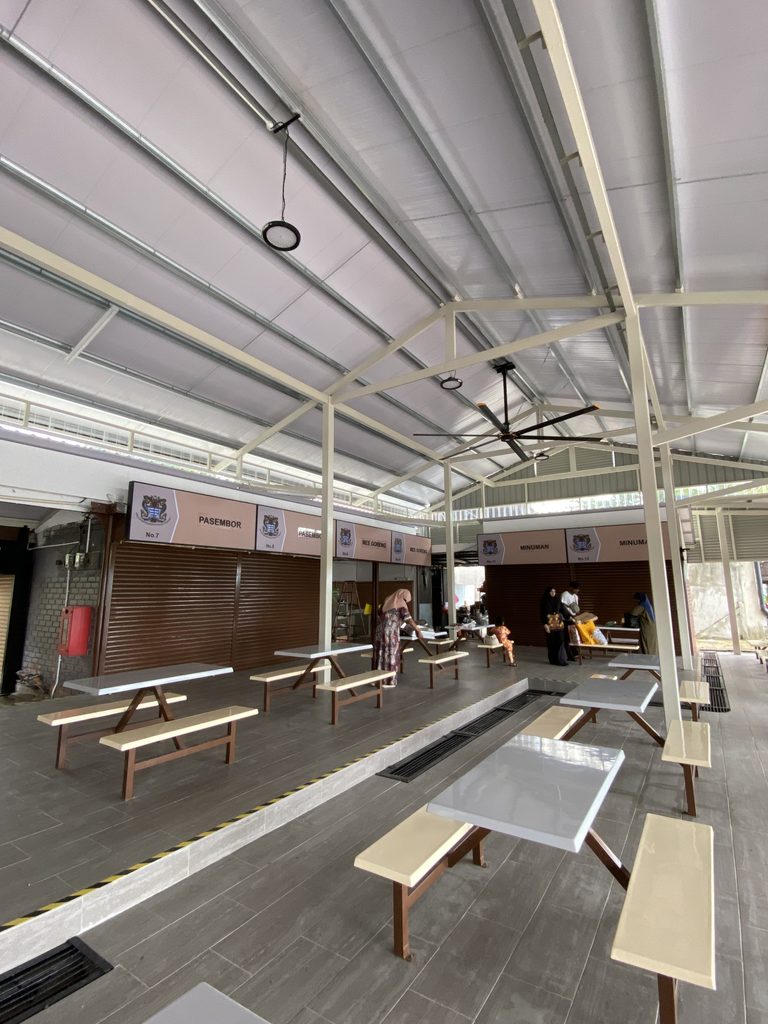
The upgrade includes a new steel structure and roof, translucent roof panels and ventilation blinds. Large ceiling fans have also been installed to improve airflow.
These changes should help make the dining area more comfortable, particularly on Penang’s hot afternoons, when a little extra ventilation can go a long way.
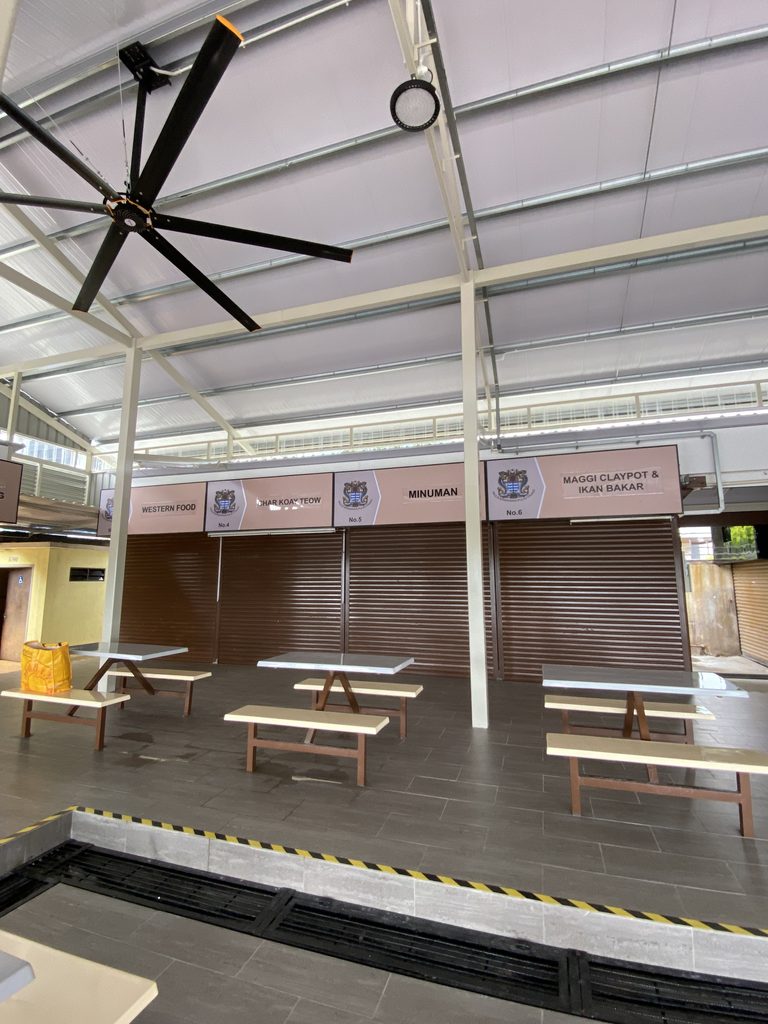
2. Improved Drainage, Lighting and Washing Facilities
A food complex has to work hard behind the scenes. Water needs to drain properly, washing areas need to be functional, and lighting needs to support vendors throughout their working day.
The project includes improvements to the drainage and electrical systems, as well as better lighting, washing facilities and grease traps. These upgrades support everyday cleaning and food preparation, helping the complex function more effectively.
They may not be the first things diners notice when they arrive, but they are an important part of keeping a food centre clean and well managed.
3. New Seating and More Consistent Signboards
The refreshed complex now has 26 sets of tables and seating, along with standardised signboards for its 12 food stalls.
For visitors, clearer signboards can make it easier to identify the stalls. A more organised dining area also helps create a better overall experience, whether you are dropping by alone or meeting friends for a meal.
It is a practical update, rather than a complete reinvention of the place.
And perhaps that is the point: make the food complex work better while keeping it part of the area’s everyday life.
Why This Upgrade Matters to Penang’s Hawker Culture
Penang’s reputation as a food destination is built on more than famous dishes. It also depends on the hawkers who prepare them, the regular customers who return week after week and the everyday places where people gather to eat.
Food complexes provide working spaces for small traders. Their condition affects how vendors prepare food, serve customers and manage the demands of a busy day.
According to the project announcement, the upgrade is intended to improve the facilities for both traders and visitors. It also reflects cooperation between the federal government, the Penang state government and MBPP to improve public facilities and support small businesses. (Buletin Mutiara)
For diners, the improvements may seem modest: better airflow, cleaner facilities, more organised seating. But these are the details that can make an ordinary meal more pleasant.
For hawkers, a more functional workspace can make daily operations easier.
And for Penang, looking after these food centres is one way of supporting the people who help keep its food culture alive.
Gurney Drive Is Changing, Too
The food complex’s upgrade comes as the wider Gurney Drive area continues to change.
With Gurney Bay taking shape along the waterfront, the neighbourhood is gaining new public spaces and giving residents more reasons to spend time by the sea.
But development does not have to mean leaving older neighbourhood facilities behind. Improving an existing food complex is another way to make the area more inviting while keeping a familiar part of local life in use.
One important distinction, though: the Kompleks Makanan Persiaran Gurney discussed here is not the same project as the planned relocation of the better-known Anjung Gurney hawker centre near the Gurney Roundabout. A separate waterfront hawker centre has been planned for traders currently operating at Anjung Gurney and around the Gurney Drive roundabout, with completion previously expected in the first quarter of 2027. (The Star)
The two developments are part of the wider changes around Gurney Drive, but they should not be confused.
The Next Time You’re Around Gurney Drive…
The RM455,055 upgrade may not change the way Penangites feel about food, but it is a welcome improvement to a food complex that has served the area for decades.
The new roof, ventilation, washing facilities and seating address practical needs that matter to both hawkers and diners. More importantly, they help keep an established food spot useful as the neighbourhood around it evolves.
So, the next time you are around Gurney Drive, you might want to take another look at the refreshed complex.
Come for a meal, take in the changes and remember that behind every food centre are the people who keep it going, one working day and one plate at a time.
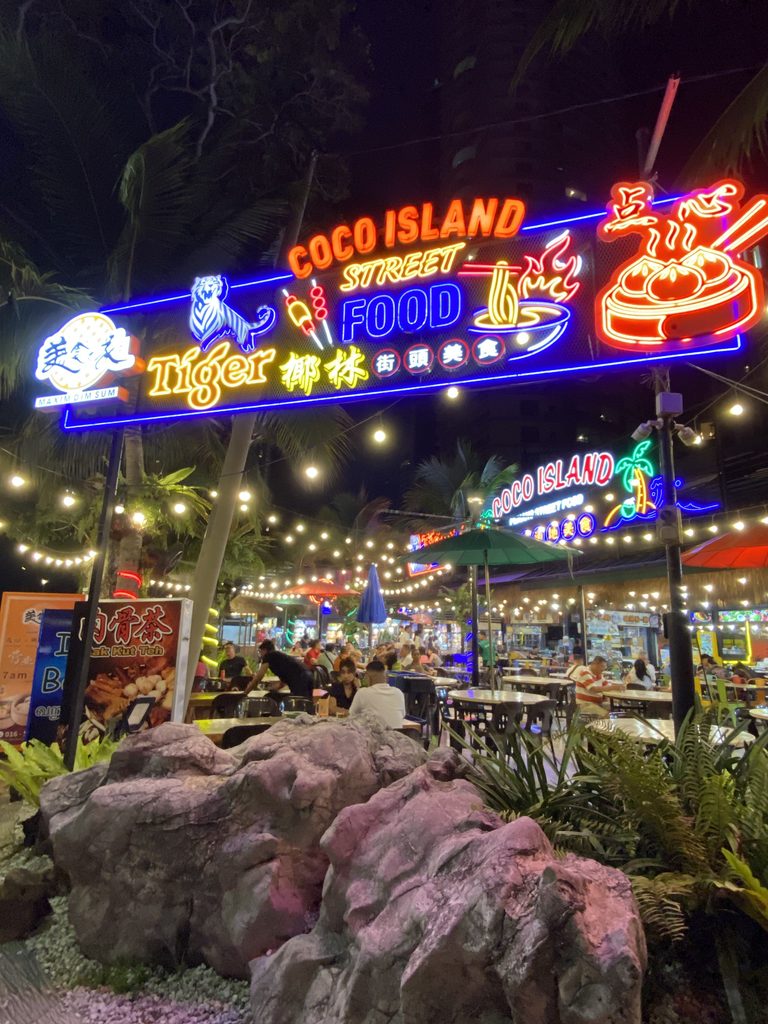
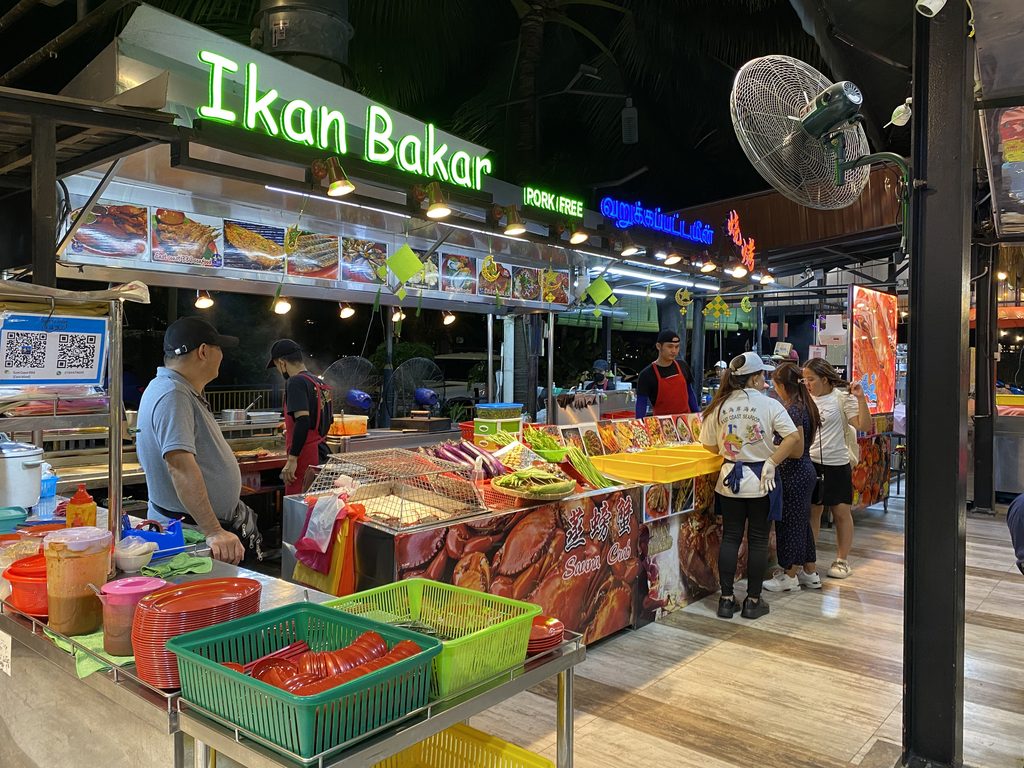
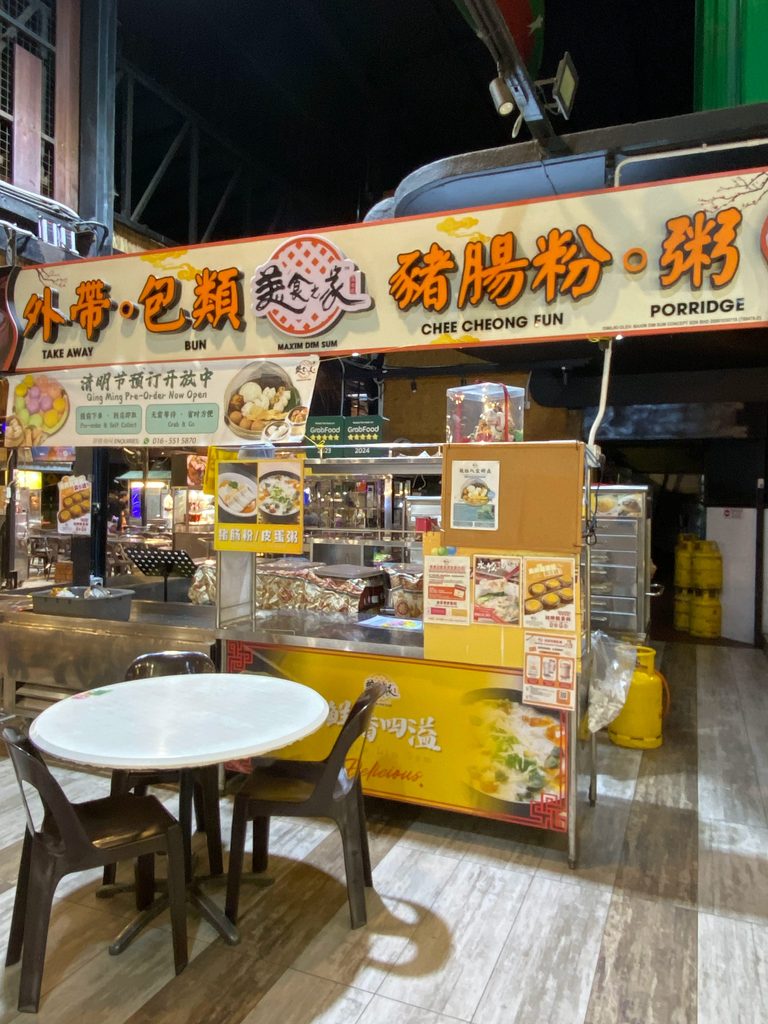
Sometimes, looking after Penang’s food culture starts with looking after the places where it happens. Perhaps you could also visit the open air Coco Island Gurney Food Court featuring Balinese decoration and local street food. It is just next to the Gurney Food Complex.
Frequently Asked Questions
1. Where is Gurney Food Complex in Penang?
Kompleks Makanan Persiaran Gurney, also known as Astaka Persiaran Gurney, is located along Persiaran Gurney near Gurney Bay Phase 2 on Penang Island. If you are visiting, search for the full name in your preferred map application to distinguish it from other food centres around Gurney Drive.
2. How much did the Gurney Food Complex upgrade cost?
The upgrade cost RM455,055 and was funded by Malaysia’s Ministry of Housing and Local Government. The Penang Island City Council carried out the work from 1 May to 30 September 2026. The project aimed to improve the facilities for hawkers and visitors after the complex went decades without a major refurbishment.
3. What improvements were made to Gurney Food Complex?
The upgrade included a new steel structure and roof, translucent roof panels, ventilation blinds, large ceiling fans, improved drainage, electrical systems and lighting. The complex also received washing facilities, grease traps, 26 sets of tables and seating, and standardised signboards for its 12 food stalls.
4. Is Gurney Food Complex the same as Anjung Gurney?
No. Kompleks Makanan Persiaran Gurney, which received the RM455,055 upgrade, is different from Anjung Gurney, the better-known hawker centre near the Gurney Drive roundabout. A separate project has been planned to relocate traders from Anjung Gurney and nearby areas to a new waterfront hawker centre at Gurney Bay.
5. Why is maintaining food complexes important to Penang?
Food complexes provide working spaces for hawkers and affordable places for people to eat. Well-maintained facilities support everyday cleaning, food preparation and customer comfort. Looking after these spaces also helps small traders continue their businesses and supports the local food culture that makes Penang special.

Post Comment