
Pasar Malam (Night Market) Culture in Penang: What Expats Will Love About It
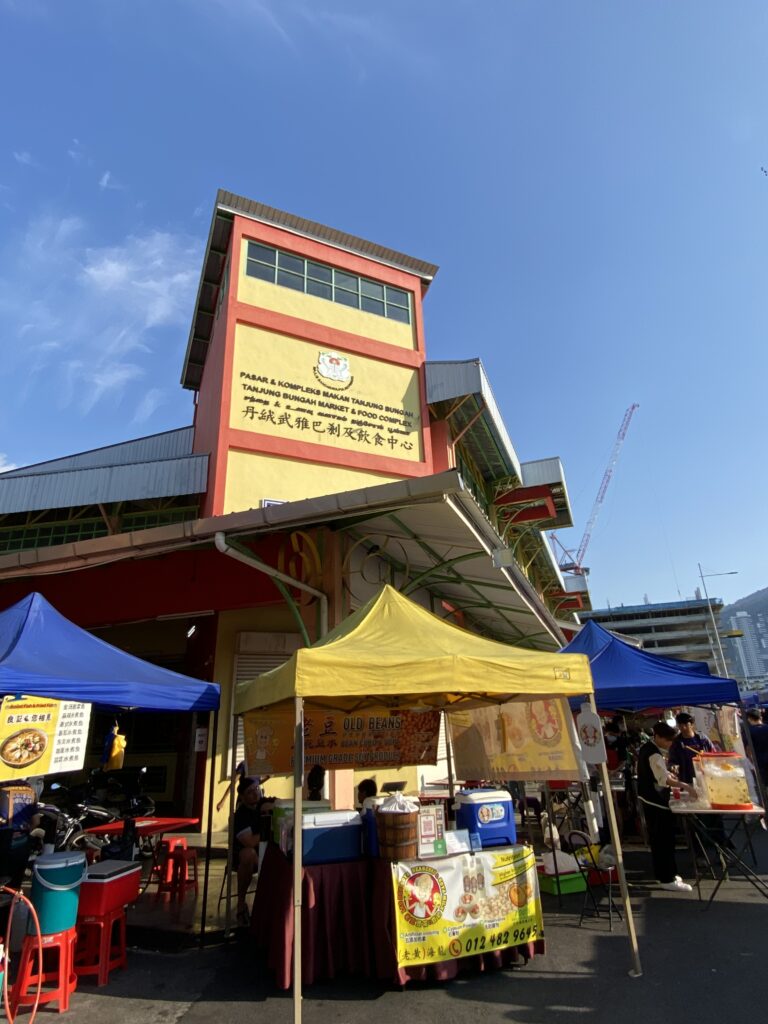
For expats or anyone considering a move, getting to know pasar malam culture in Penang is one of the easiest ways to experience real local life — not the curated version, but the everyday rhythm of how people eat, gather, and unwind.
Because in Malaysia, food is not just food. It is routine, comfort, and community.
A Rotating Food Culture Across the Island
One of the first things you will notice is that pasar malam in Penang is not fixed in one location.
Instead, it rotates across different neighbourhoods throughout the week.
- Macallum Street – Monday
- Tanjung Bungah – Tuesday
- Farlim – Wednesday
- Bayan Baru – Thursday
- Sungai Ara – Friday
- Sungai Dua (near Universiti Sains Malaysia) – Saturday
- Batu Ferringhi – Saturday
This rotating system means that almost every day, somewhere in Penang, a pasar malam is happening — usually from around 5pm to 9pm or 10pm.
For expats, this becomes surprisingly convenient.
Once you learn the schedule, you will know exactly where to go for dinner — without planning too much.
The First Experience: Crowds, Colours, and Choices
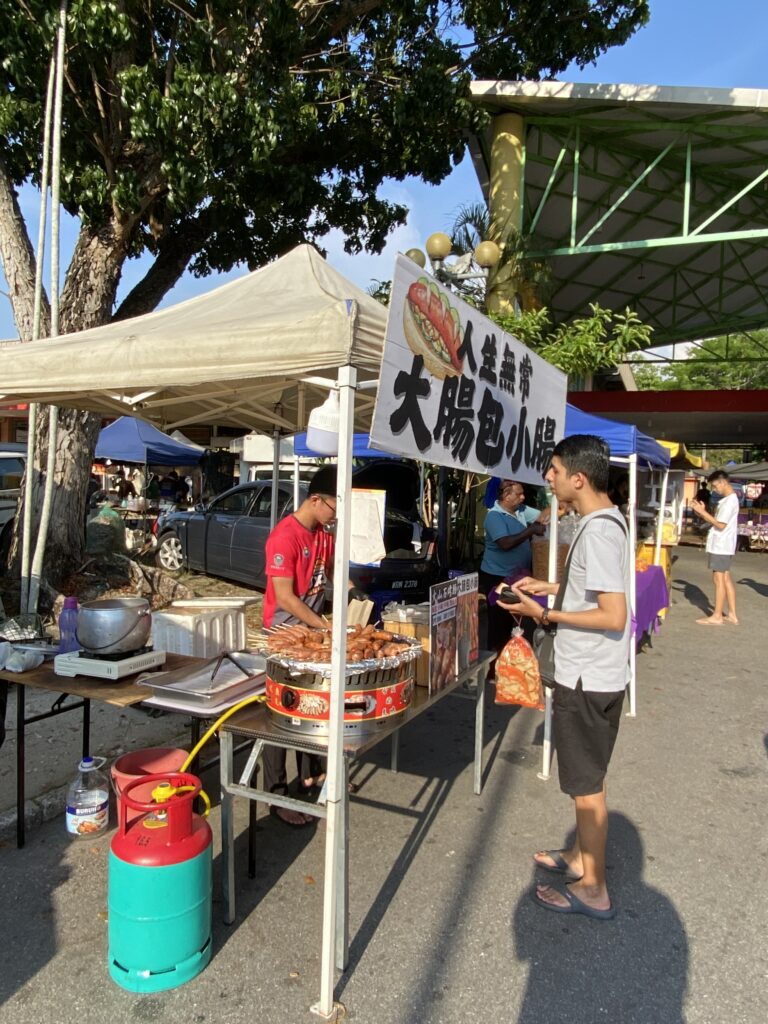
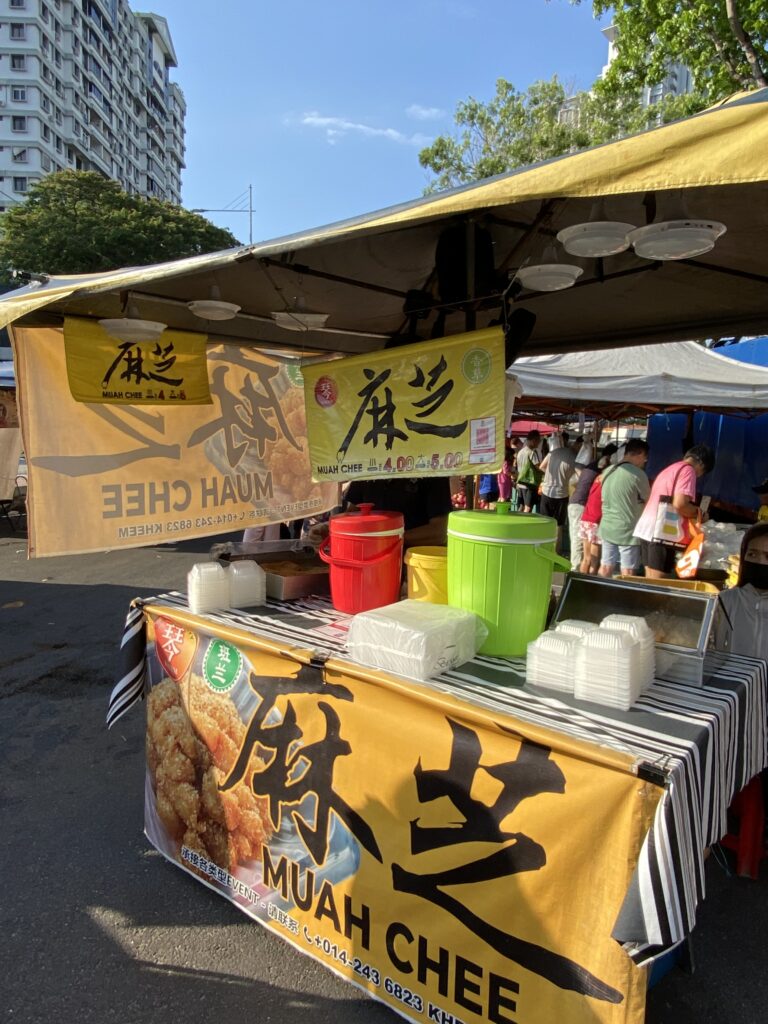
Walking into a pasar malam, especially in places like Tanjung Bungah, feels like stepping into a moving, living street.
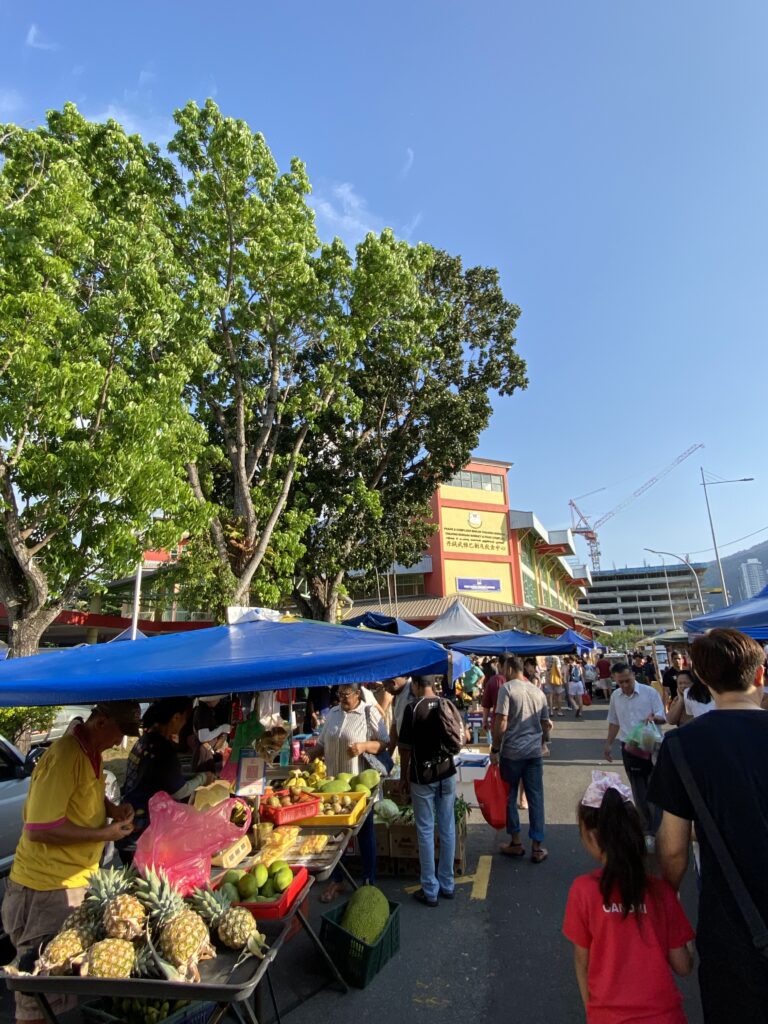
From the photos, you can imagine:
- Rows of blue, beige, and yellow canopy tents stretching across the road
- Vendors calling out, cooking, packing, and serving non-stop
- A steady flow of people — families, kids, elderly, expats — all moving slowly from stall to stall
It is busy, but not chaotic.
There is a rhythm to it.
And above all, there is one overwhelming thought:
There is too much food to choose from.
More Than 50 Types of Food — Sometimes More
The scale of pasar malam culture in Penang is something that surprises many newcomers.
Even a regular pasar malam can easily offer 40–50 types of food, while larger ones like Farlim can go beyond that.
In bigger states like Selangor, some night markets can even reach 100+ varieties.
And the range is not limited to just local food.
Alongside traditional Malaysian dishes, you may also find:
- Taiwanese snacks
- Hong Kong-style street food
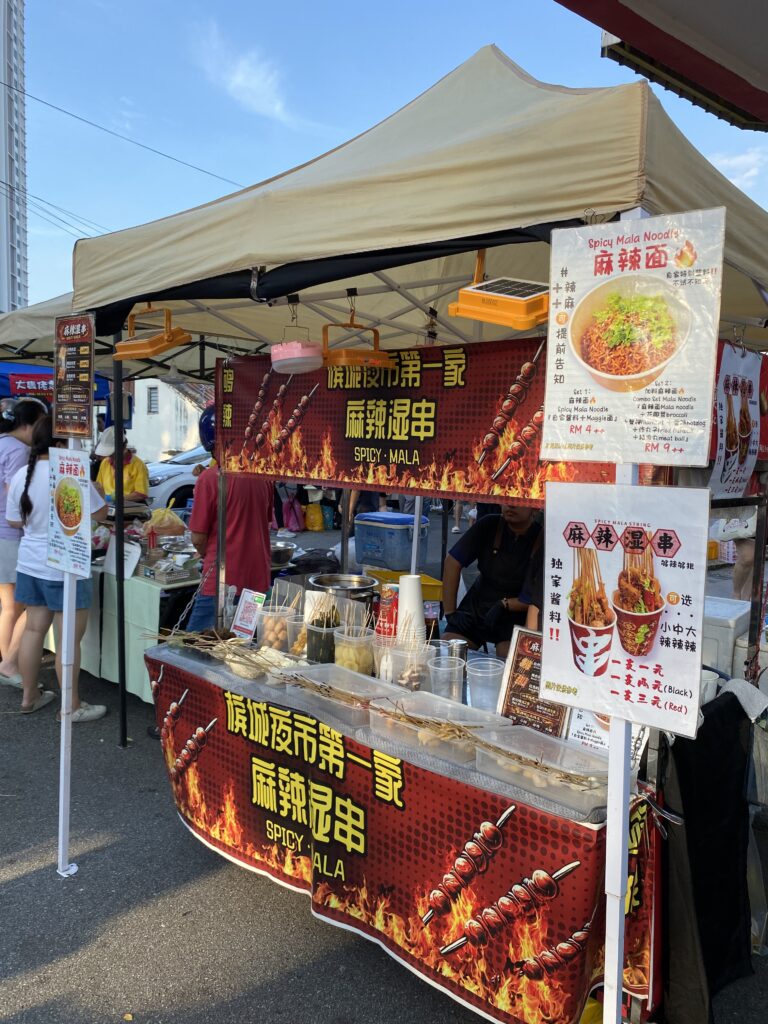
- Chinese-style skewers or noodles
The pasar malam culture in Penang reflects how Malaysia blends cultures — even at a street market level.
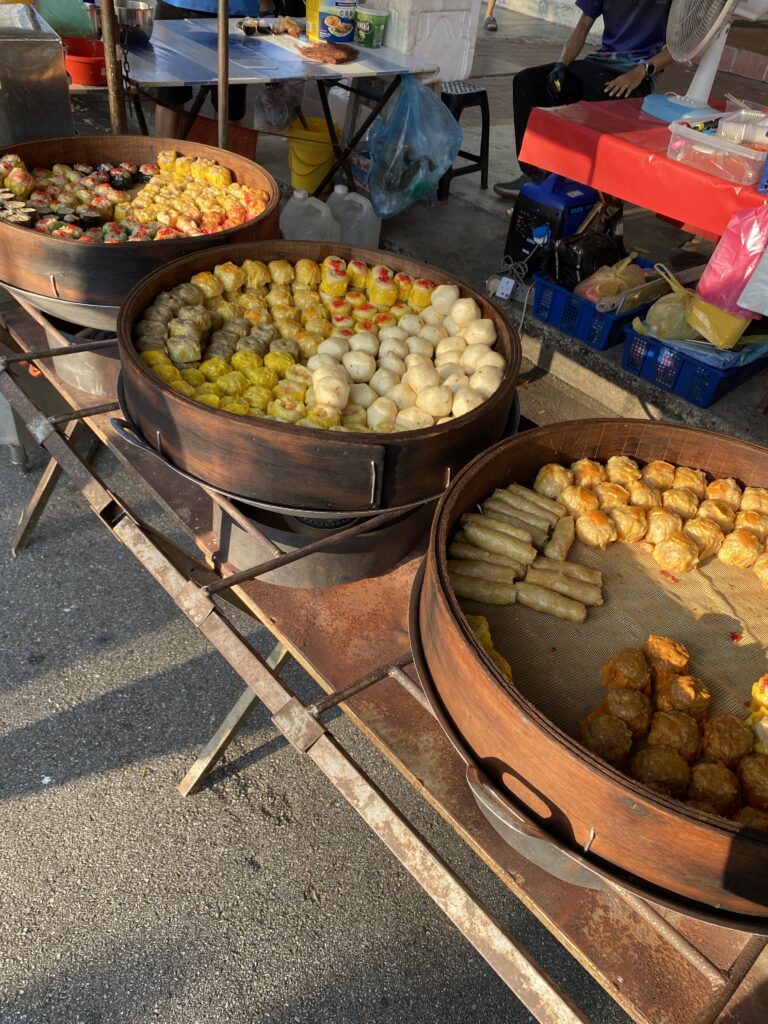
What Locals Actually Eat: Must-Try Foods
If you ever wonder, “What do locals really eat in Penang?” — pasar malam culture in Penang is your answer.
Some common finds include:
- Muah Chee – soft, chewy glutinous rice pieces coated with crushed peanuts and sugar
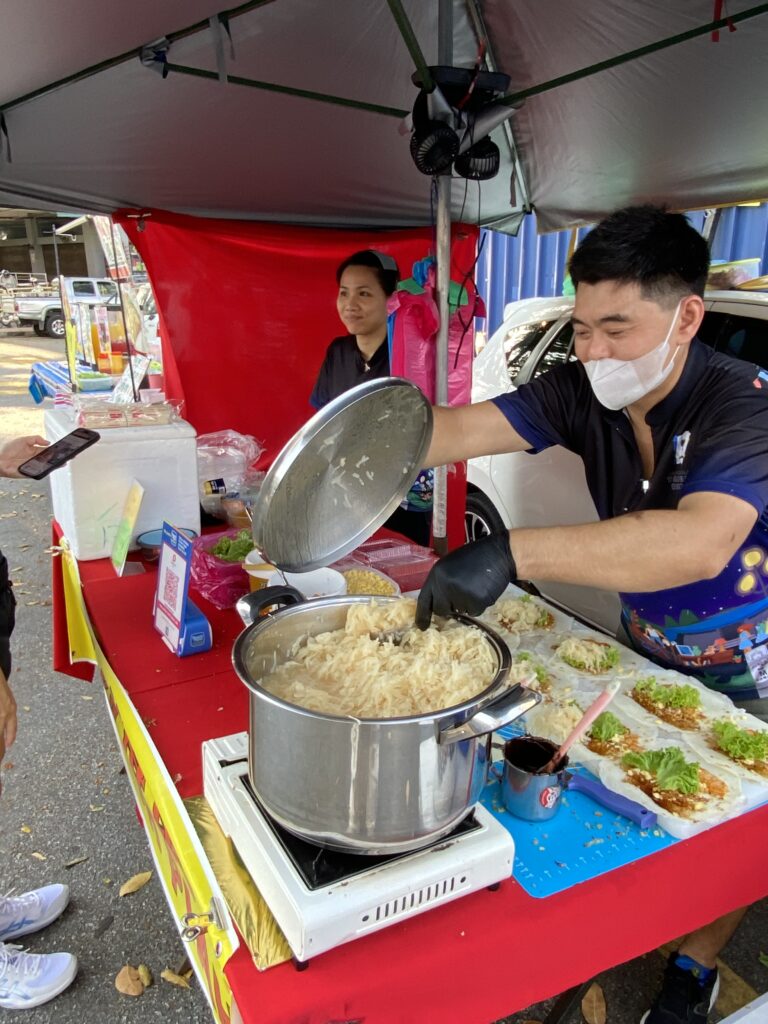
- Popiah – fresh spring roll filled with turnip, egg, and sauce, wrapped in a thin skin
- Otak-otak – spiced fish paste wrapped in banana leaf and grilled
- Char Koay Teow – smoky stir-fried noodles, a Penang classic
- Máng Jiāng Guǐh (apam balik/martabak manis) – thick pancake filled with peanuts, sugar, and corn
And then there are:
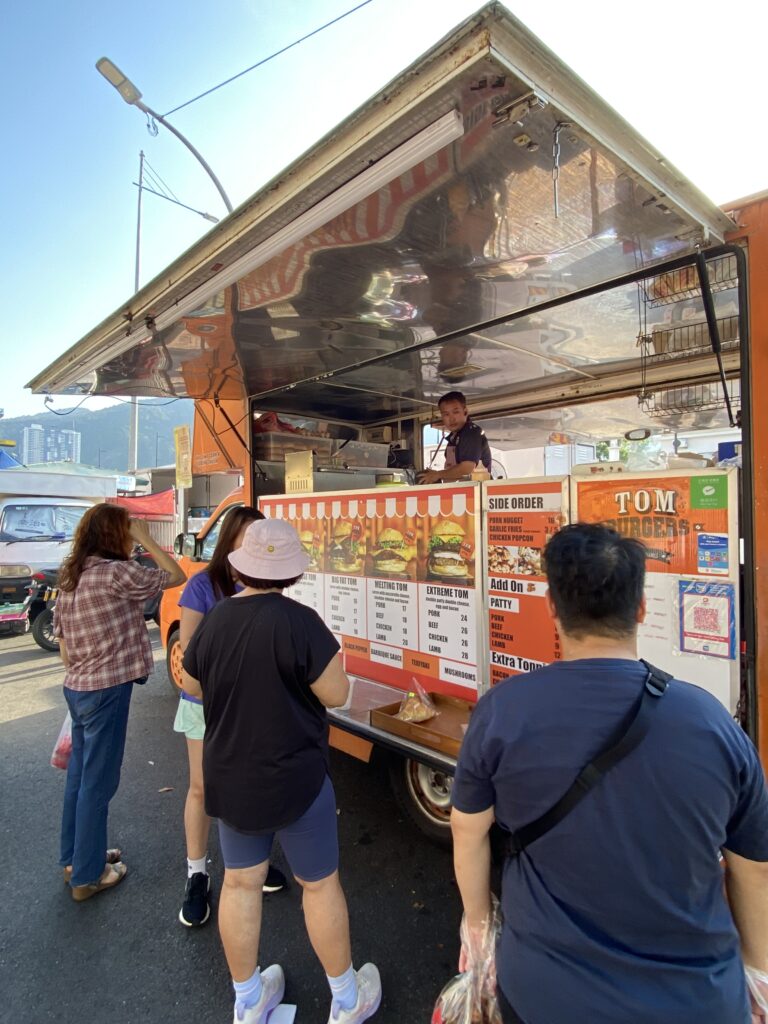
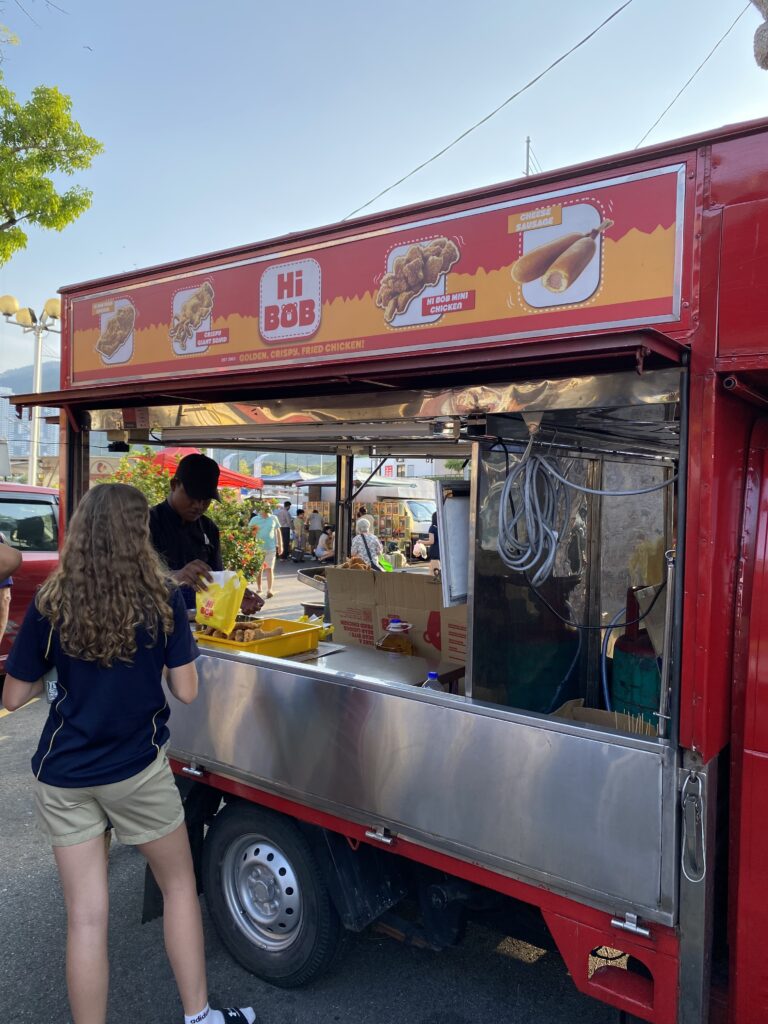
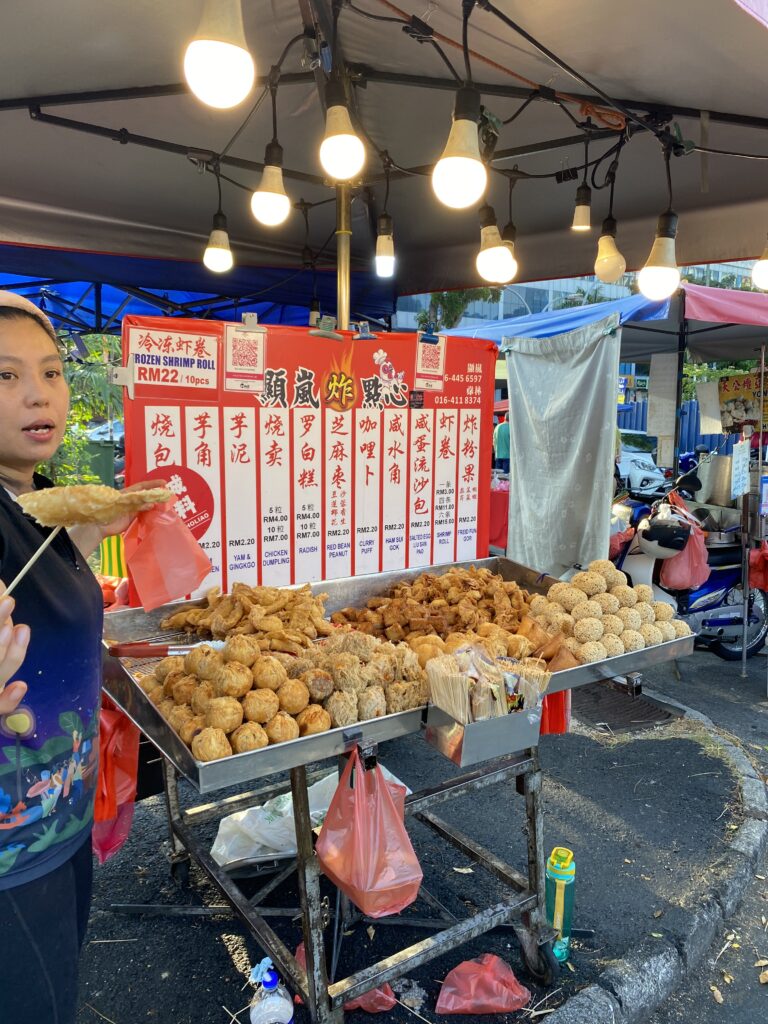
- Burgers and fried finger foods
- Dim sum and sushi
- Mala spicy noodles
- Fresh fruits like pineapple, guava, bananas, and jackfruit
- Soya bean drinks and bubble tea
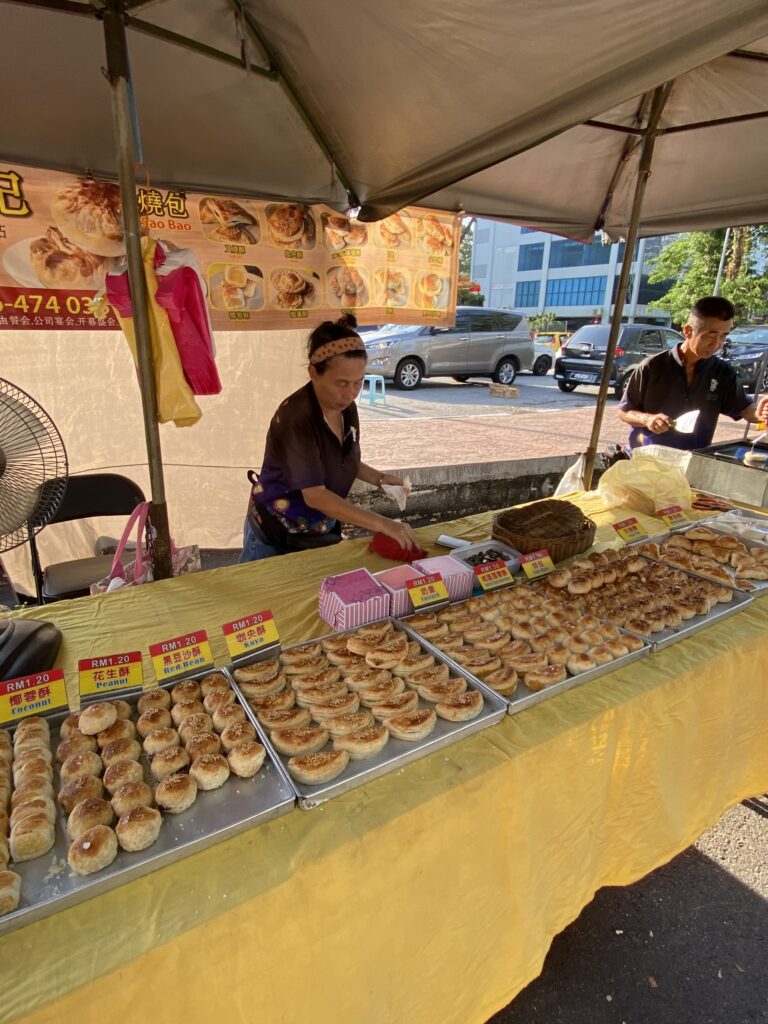
- Pastry of different fillings
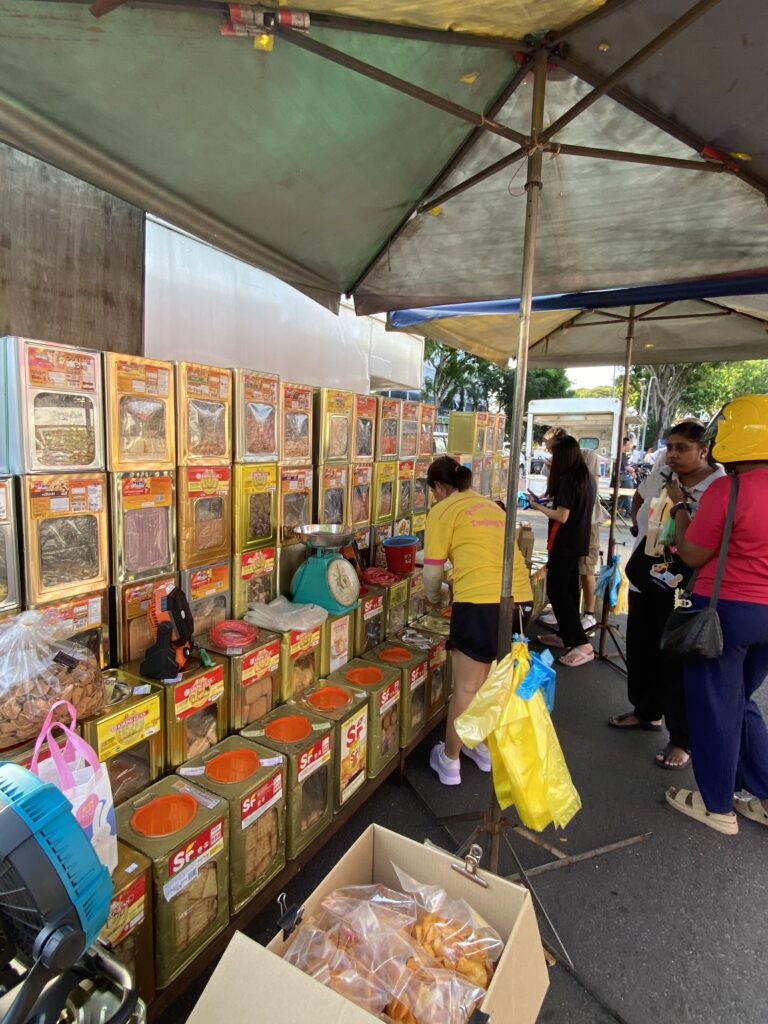
- Traditional cookies you rarely see in malls
For expats, this is often the moment when Penang’s food culture truly clicks.
Affordable, Everyday Living — Not Tourist Pricing
One key part of pasar malam culture in Penang for expats is affordability.
Unlike restaurants or tourist areas, food here is:
- Reasonably priced
- Portion-friendly (you can try multiple things)
- Takeaway-friendly for dinner at home
This is where many locals actually buy their evening meals.
And for someone new to Malaysia, it becomes a practical and enjoyable way to manage daily food without overspending.
Locations to Experience Pasar Malam Culture in Penang
Pasar malam locations are flexible.
Some are set up:
- On open fields or roadside streets
- Around wet markets, which operate in the morning
In fact, many pasar malam simply take over morning market spaces, transforming them into lively night food streets just hours later.
It is a clever use of space — and part of what makes the system work so well.
Why Expats End Up Loving It
At first, pasar malam culture in Penang might feel overwhelming — the crowd, the heat, the choices.
But over time, it becomes:
- A weekly routine
- A way to explore food casually
- A place where you start recognising familiar stalls and vendors
And most importantly, it offers something many cities lack:
An authentic, unpolished, everyday experience.
Not staged. Not curated. Just real.
Final Takeaway
If you are moving to Penang or even just visiting, experiencing pasar malam culture in Penang is not something to be missed.
Because beyond the beaches, cafés and malls,
this is where Penang quietly shows you how people actually live.
One evening, one pasar malam, one memorable experience.
FAQs
1. Where can expats find pasar malam in Penang?
Pasar malam rotate across locations daily; including Tanjung Bungah, Farlim, Sungai Ara, Bayan Baru, and more.
2. Is pasar malam food safe for foreigners in Penang?
Yes, most stalls maintain good hygiene; choose busy stalls with high turnover for fresher food.
3. How much does food cost at Penang night markets?
Most items range from RM3 to RM10, making it affordable to try multiple local dishes in one visit.


Post Comment