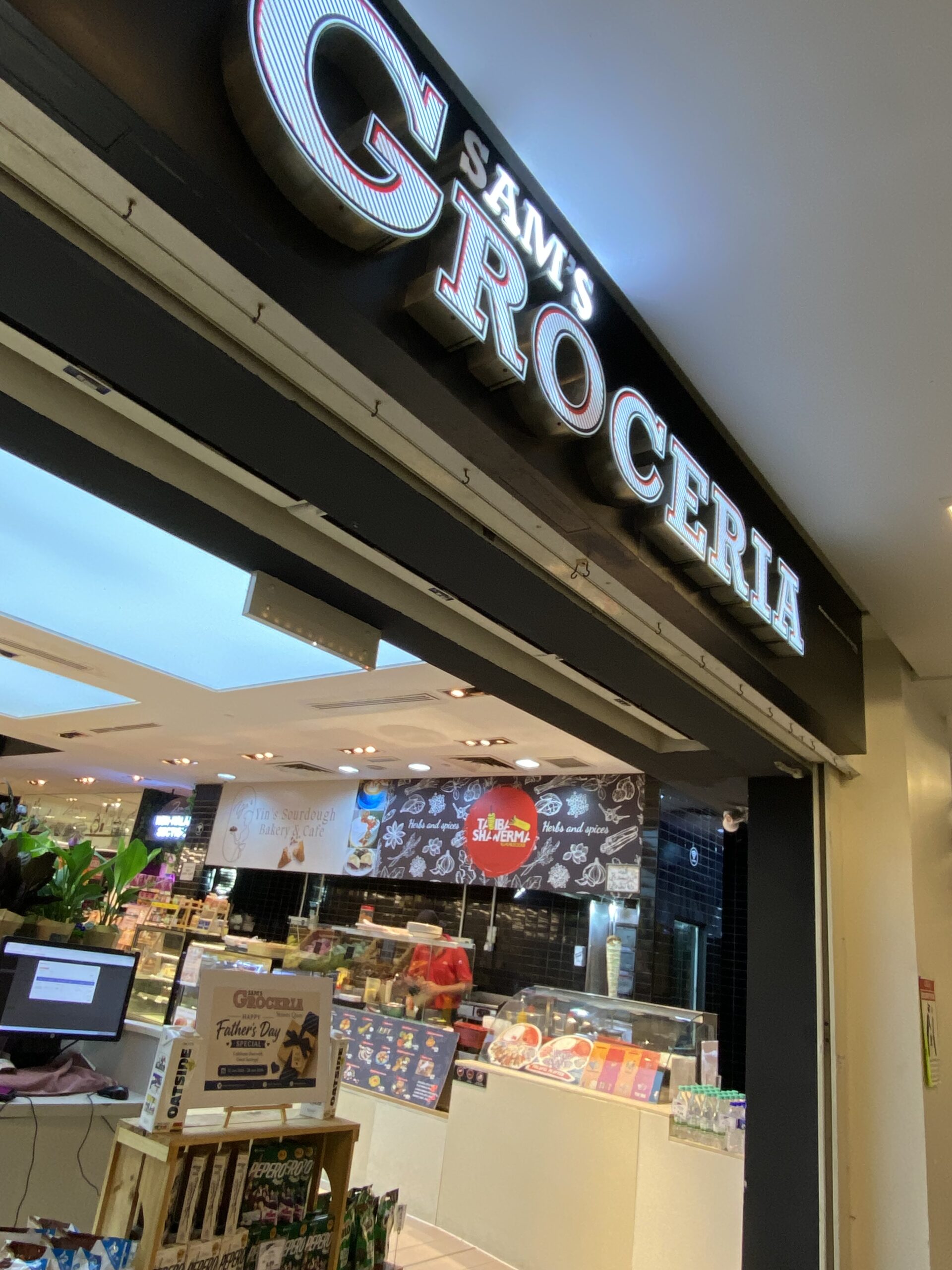
Your First Grocery Run in Penang: What Feels Different
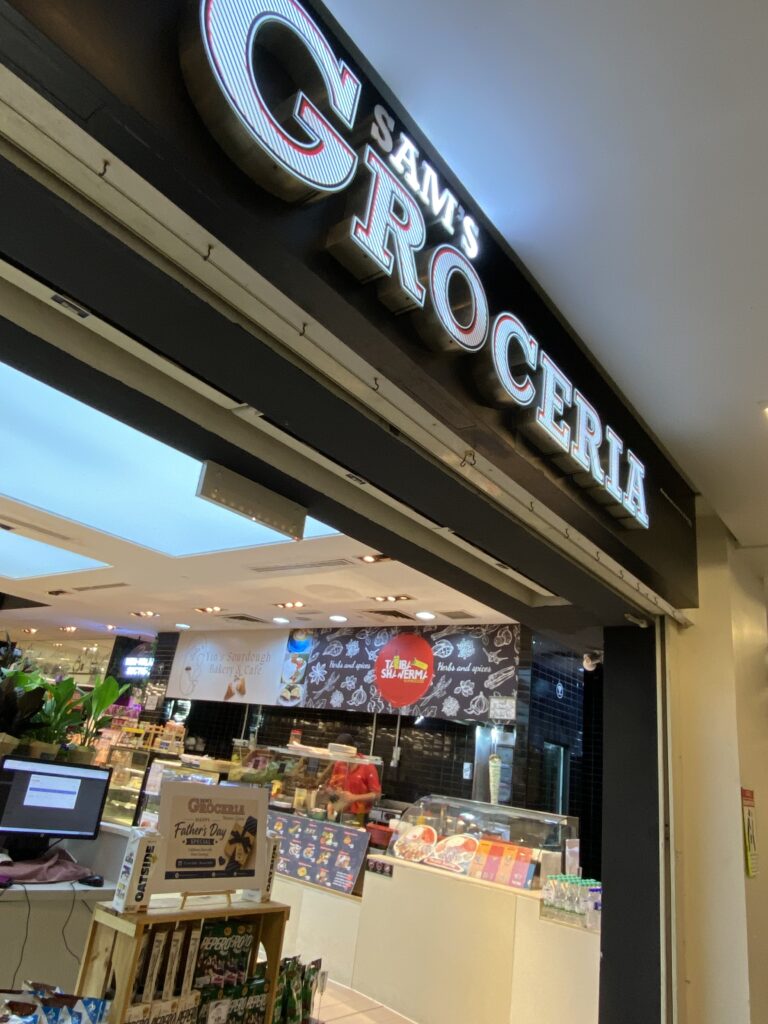
For many people considering relocating to Penang, there are certain things they naturally research first.
Healthcare.
Safety.
But sooner or later, another question quietly appears:
“What will my first grocery shopping trip be like?”
It may sound like a small thing.
Yet for many newcomers, the first experience of grocery shopping in Penang is often one of the earliest moments where they realise they are truly living somewhere different.
And interestingly, it is usually not the big things that stand out.
It is the small things.
You Will Probably See More Fresh Food Than Expected
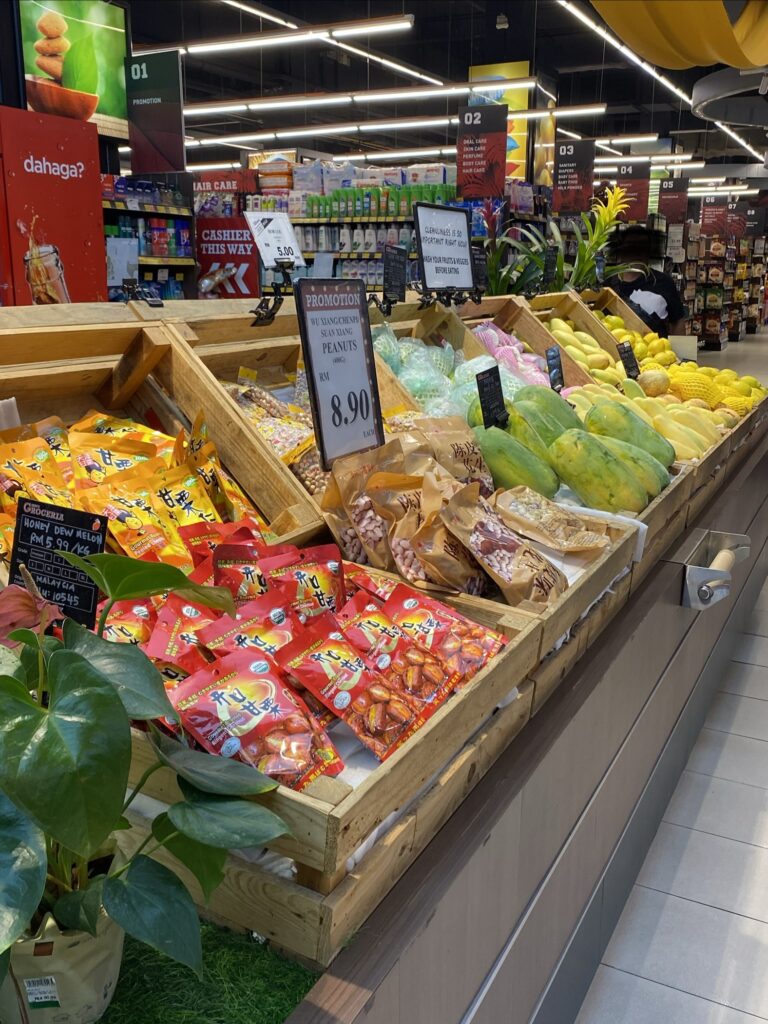
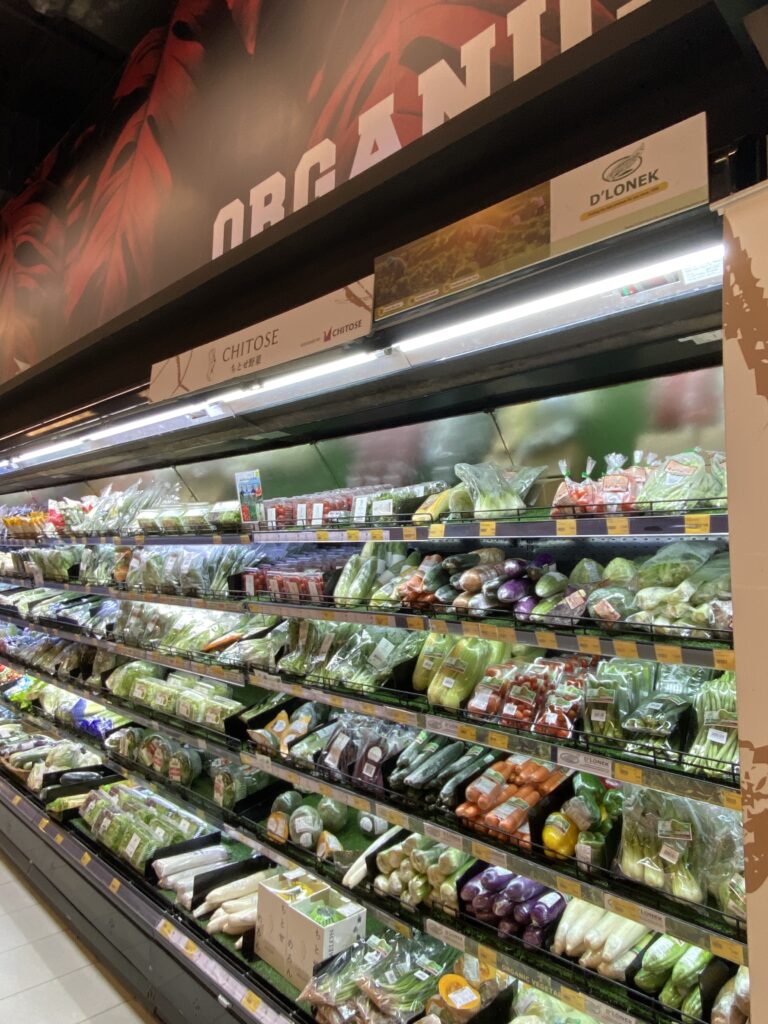
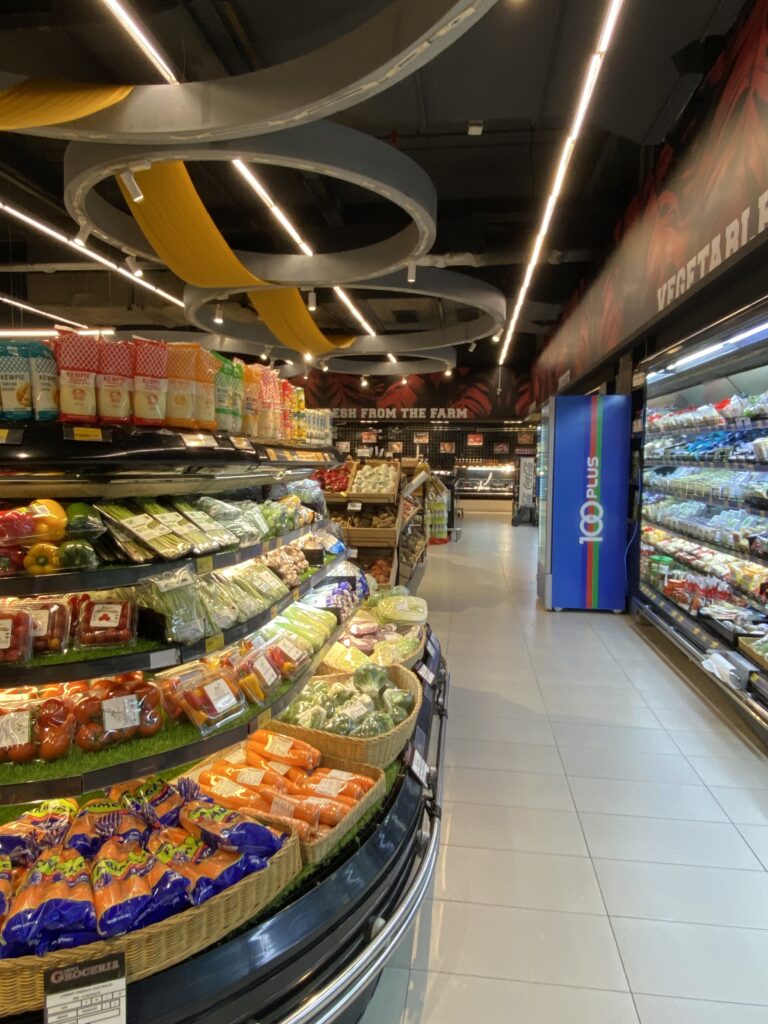
One of the first surprises many newcomers notice during grocery shopping in Penang is the emphasis on fresh food.
Walk into a supermarket or hypermarket.
Visit a wet market.
Explore a neighbourhood grocery store.
You will quickly notice:
- fresh vegetables
- tropical fruits
- seafood
- herbs
- local ingredients
everywhere.
Many locals still cook regularly at home.
As a result, fresh ingredients remain an important part of daily life.
Compared to some countries where frozen food occupies large sections of supermarkets, grocery shopping in Penang often feels much more connected to fresh produce.
Tropical Fruits Suddenly Become Normal
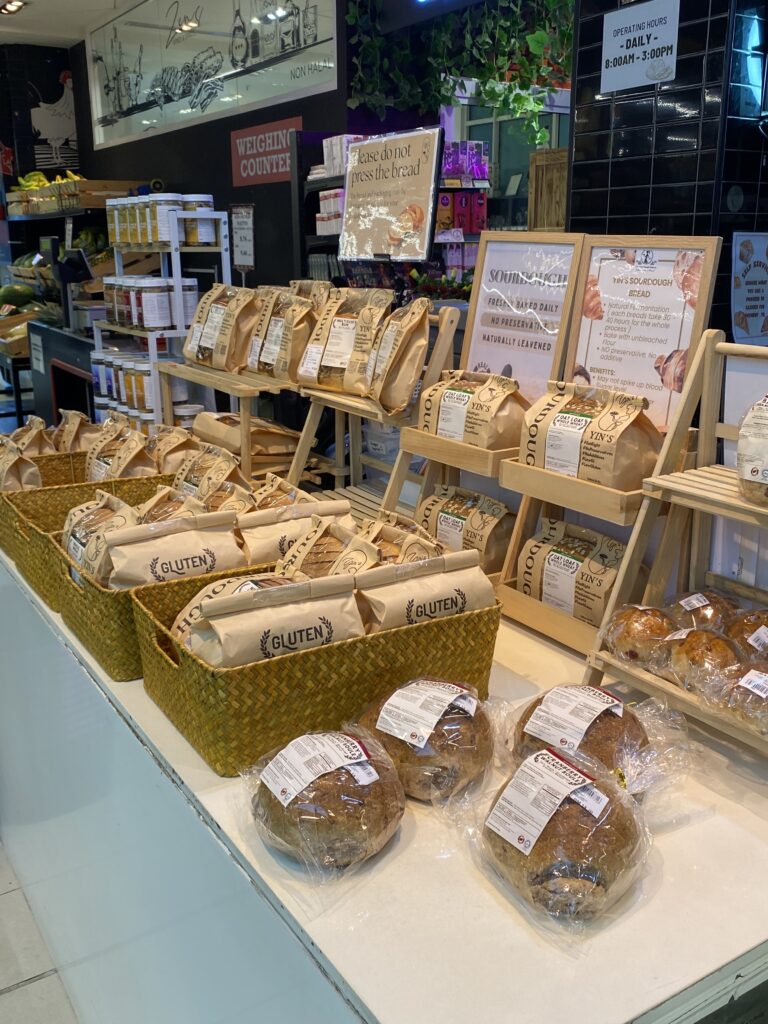
If you are moving to Penang from overseas, one of the more enjoyable discoveries may be the fruit section.
You will find familiar options like:
- apples
- oranges
- grapes
But you will also encounter:
- mangosteen
- rambutan
- dragon fruit
- jackfruit
For locals, these are ordinary.
For newcomers, they can feel like an adventure.
Especially during fruit seasons when entire supermarket displays become dominated by local produce.
Typical prices you may encounter include:
- Rambutan: RM6–RM12 per kg
- Mangosteen: RM8–RM18 per kg
- Dragon Fruit: RM4–RM10 each
Many expats are pleasantly surprised by both the variety and affordability of tropical fruits during grocery shopping in Penang.
The Seafood Section Feels Different
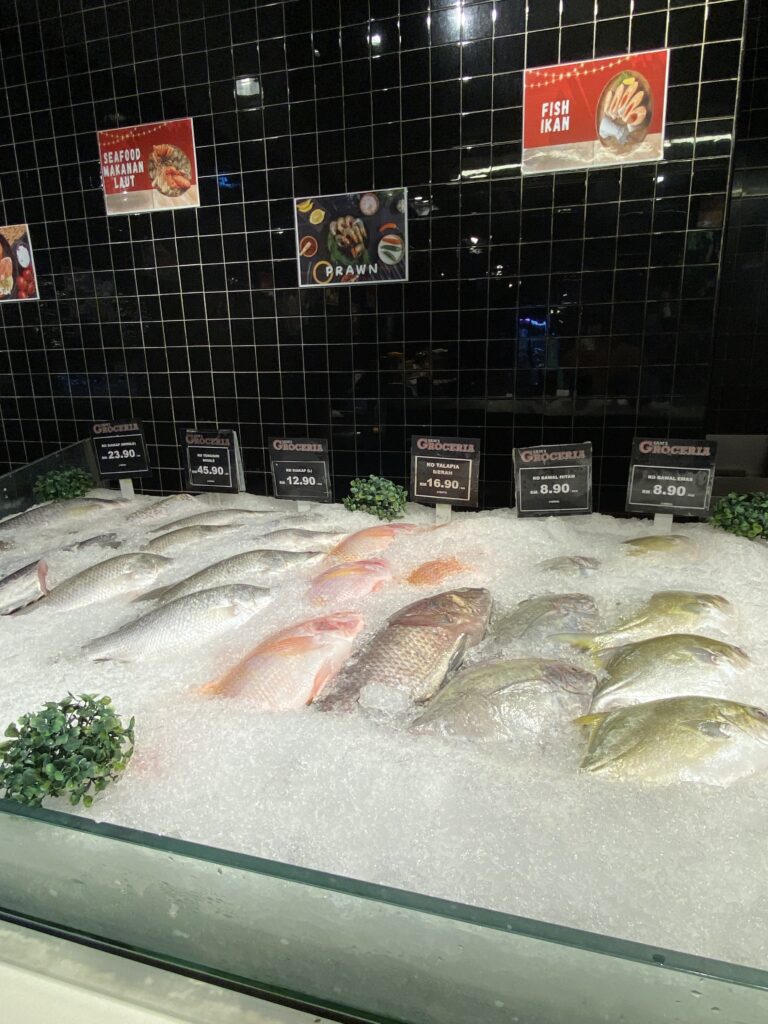
Being an island, Penang naturally has a strong relationship with seafood.
During your first few weeks of living in Penang as an expat, you may notice the seafood selection feels larger than expected.
Depending on the supermarket or neighbourhood grocery store, you might see:
- prawns
- squid
- crabs
- shellfish
- local fish varieties
that may not be common in your home country.
And in wet markets, the experience becomes even more interesting.
The seafood often arrives directly from local fishermen.
You Will Quickly Learn the Difference Between Supermarkets
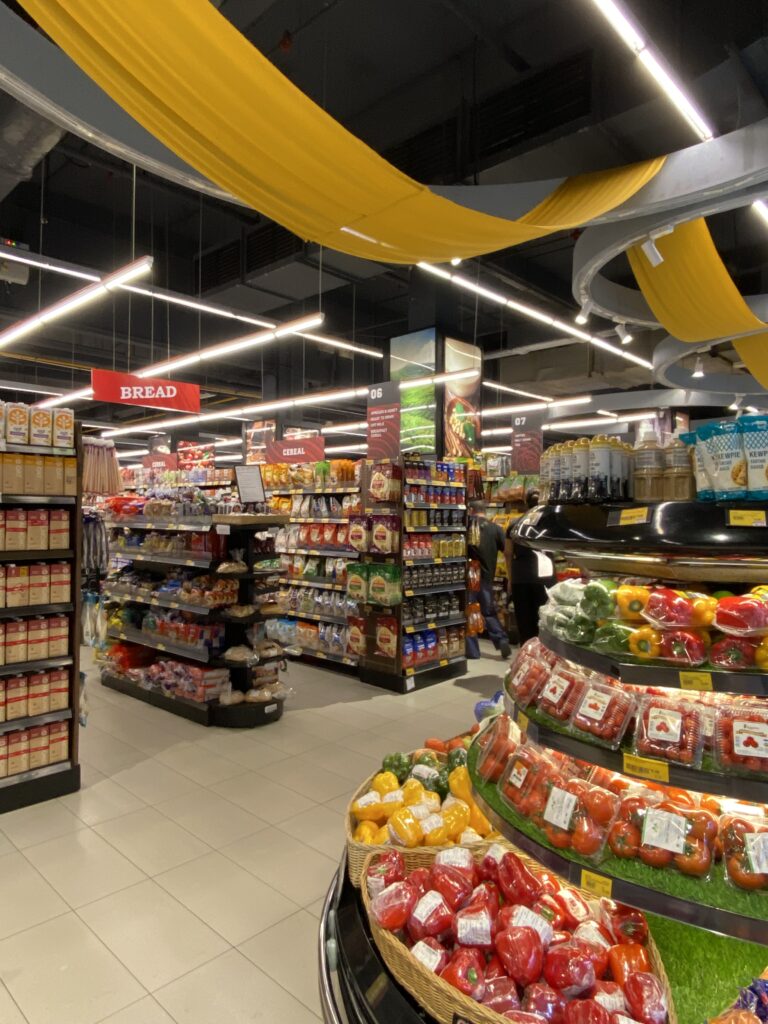
Another thing newcomers discover is that not all supermarkets serve the same purpose.
Some focus on:
- imported products
- international brands
- expatriate needs
Others focus more on:
- local groceries
- daily essentials
- affordability
Over time, many people develop their own routine.
Perhaps one supermarket for imported cheese.
Another for fresh vegetables.
A neighbourhood market for seafood.
This gradually becomes part of everyday expat life in Penang.
The Price of Some Things May Surprise You
Many newcomers researching the cost of groceries in Penang expect everything to be cheaper.
The reality is slightly more nuanced.
Some things are indeed very affordable:
- local vegetables
- local fruits
- eggs
- local food products
Meanwhile, imported items can sometimes be surprisingly expensive.
For example:
- Australian cheddar cheese (250g): RM12–RM20
- Mozzarella cheese (200g): RM12–RM25
- Parmesan cheese (100g): RM15–RM35
- Brie or Camembert: RM20–RM50 and above
Products such as:
- imported cheeses
- specialty cereals
- foreign snacks
- imported wines
often carry higher prices.
This is something many expatriates gradually adjust to during their first few months of living in Penang as an expat.
The Staff May Pack Your Groceries Differently
One small thing that sometimes surprises newcomers is how groceries are packed.
Depending on the store, staff may separate:
- frozen items
- fresh produce
- cleaning products
into different bags.
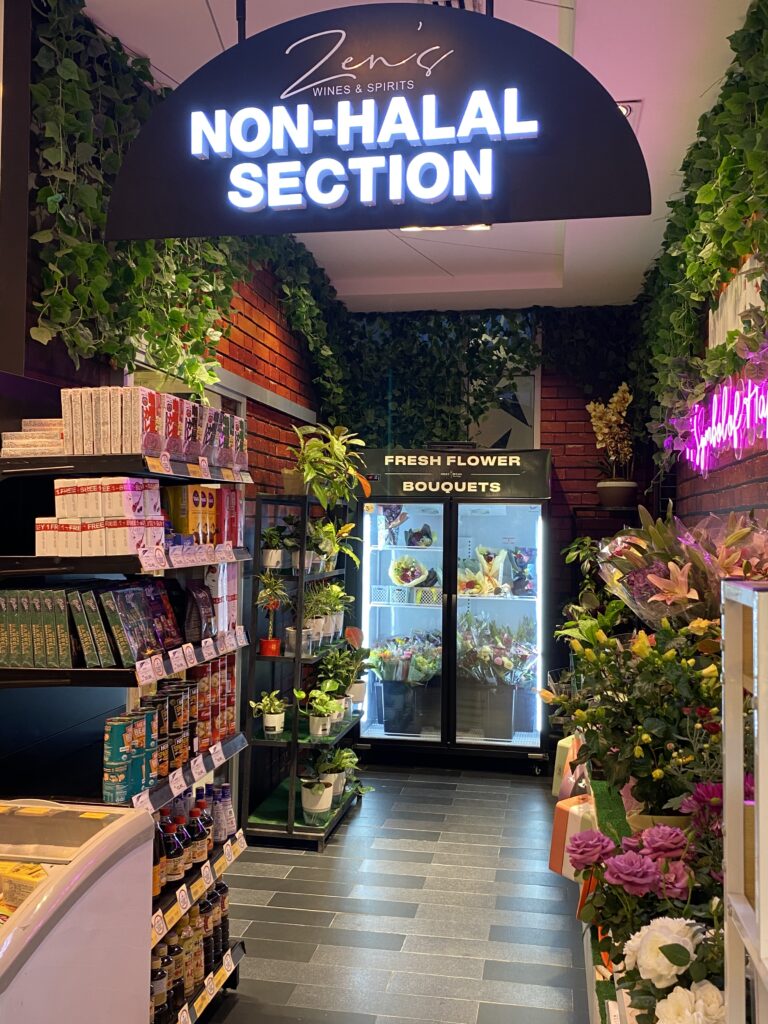
Another detail many foreigners notice involves non-halal meats.
In supermarkets, pork and other non-halal meats are usually sold in dedicated sections and packed separately before being handed to customers.
This reflects Malaysia’s multicultural society and consideration for customers of different religious backgrounds.
It is a small detail, but one that many newcomers remember from their first experience of grocery shopping in Penang.
Don’t Forget Your Reusable Bags
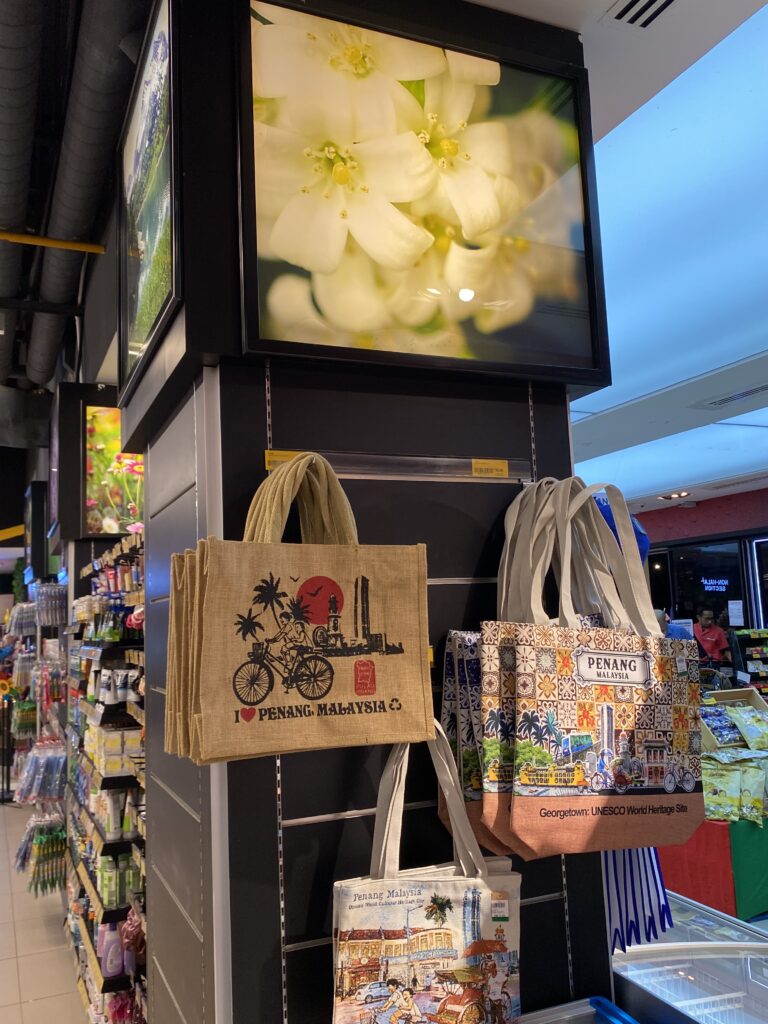
Another thing many newcomers quickly learn is that most major supermarkets in Penang no longer provide free plastic bags.
As a result, bringing your own reusable shopping bags becomes part of everyday life.
After a few grocery trips, many residents naturally keep reusable bags inside:
- their car
- backpack
- handbag
just in case.
Interestingly, things can feel quite different in wet markets and smaller neighbourhood mini markets.
There, sellers often still provide plastic bags when you purchase fresh produce, seafood, or daily necessities.
For newcomers, it can be an interesting contrast between modern supermarket practices and traditional market culture.
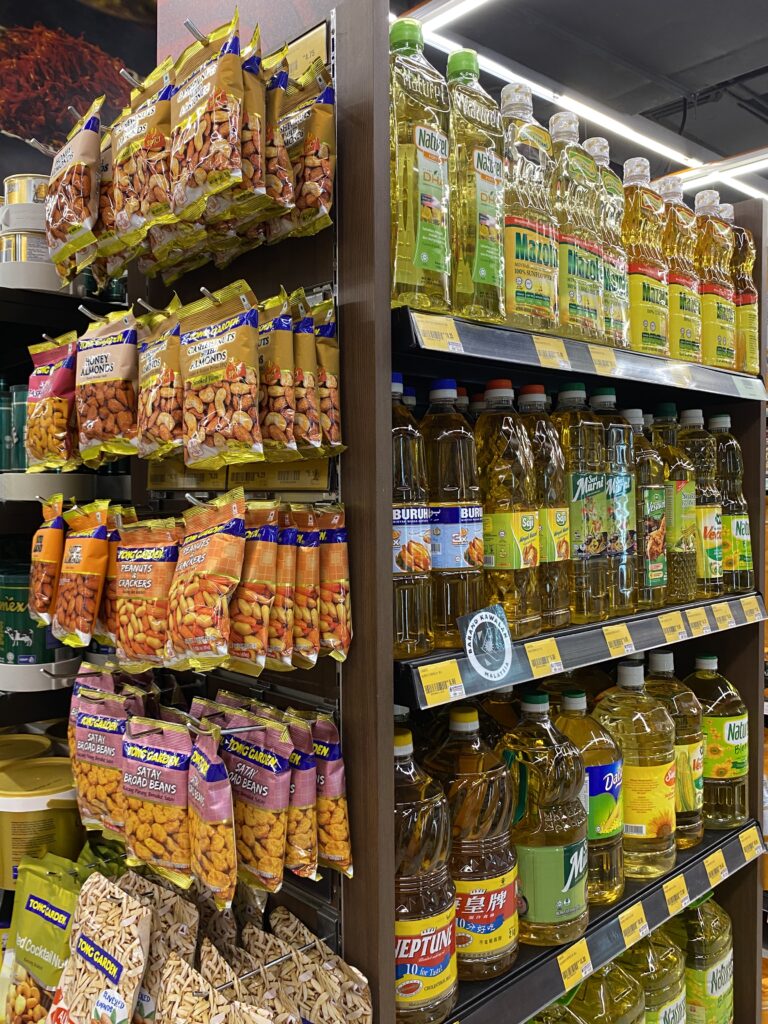
The Food Aisles Tell You a Lot About Malaysia
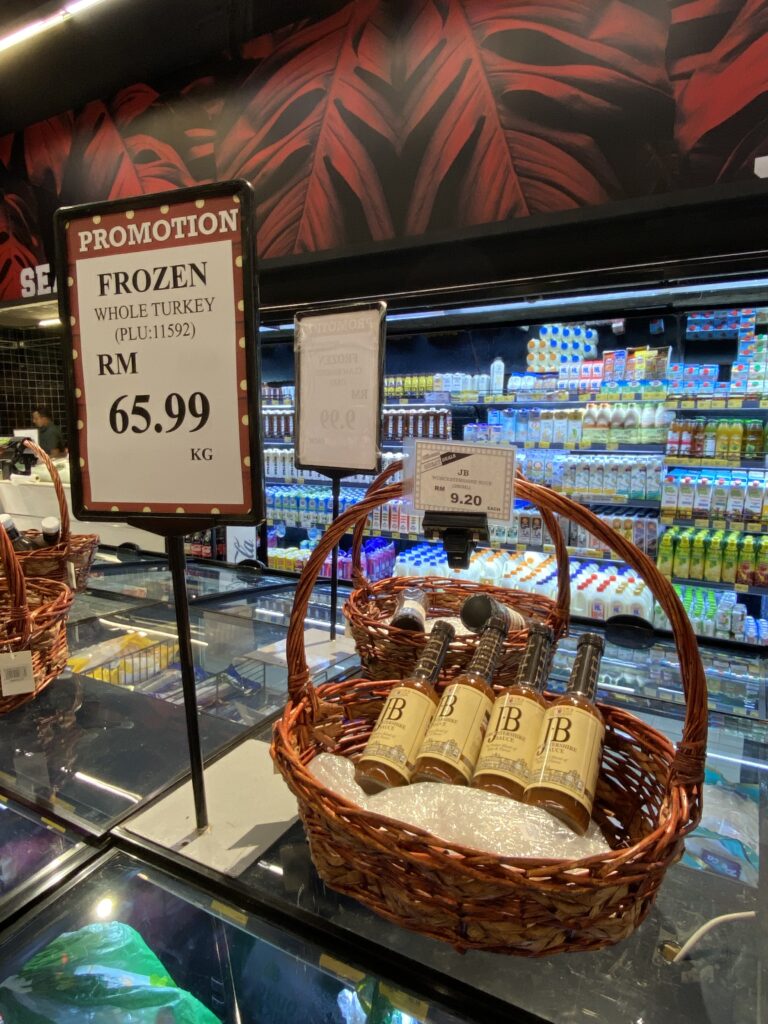
One of the most interesting things about grocery shopping in Penang is that it quietly reflects the country’s multicultural identity.
Walk through the aisles and you will see Malaysia’s diversity on display.
For Malay cuisine, you may find:
- sambal
- nasi lemak paste
- rendang paste
For Chinese cooking:
- soy sauce
- oyster sauce
- dried mushrooms
- fried rice seasonings
For Indian cuisine:
- curry leaves
- dhal
- garam masala
- fish curry spices
Since Malaysia is a multicultural country, many expats eventually discover that grocery shopping becomes a culinary adventure.
One week you may be cooking:
- Chinese fried rice
The next week:
- Malay nasi lemak
And after that:
- Indian fish curry
The ingredients for all three cuisines can often be found within the same supermarket.
This is one of the reasons many people enjoy expat life in Penang.
Convenience Stores Feel More Useful Than Expected
Many newcomers also discover that convenience stores play a larger role than expected.
They are often used not only for:
- snacks
- drinks
but also:
- bill payments
- mobile top-ups
- parcel collection
- quick essentials
Some of the most common convenience store brands in Penang include:
7-Eleven
The most widespread convenience store chain in Malaysia.
Ideal for:
- quick purchases
- drinks
- snacks
- everyday essentials
You can find a 7-Eleven almost everywhere.
FamilyMart
Popular for:
- Japanese snacks
- soft-serve ice cream
- ready-to-eat meals
- fresh coffee
Many people treat FamilyMart almost like a casual café.
CU
A Korean-inspired convenience store chain known for:
- Korean snacks
- Korean drinks
- instant meals
- imported products
A favourite among younger consumers.
Happy Mart
A more local convenience store concept commonly found in residential neighbourhoods.
Useful for:
- household essentials
- drinks
- quick grocery purchases
Over time, these stores become part of daily routine for many people living in Penang as an expat.
The Grocery Run Becomes Part of Settling In
Perhaps the most surprising thing about your first grocery shopping in Penang experience is that it tells you more about the island than you expect.
The fruits tell you about the climate.
The seafood tells you about the sea.
The spices tell you about the culture.
The people tell you about the community.
And slowly, a routine begins to form.
What initially felt unfamiliar starts feeling normal.
You learn where to buy your favourite products.
You discover new ingredients.
You recognise familiar faces at the supermarket.
And without realising it, you begin feeling a little more at home.
What Most Expats Eventually Realise
Many people arrive in Penang thinking that settling in will happen through major milestones.
Finding a home.
Starting a new job.
Enrolling children in school.
Those moments matter.
But sometimes, it is the smaller moments that truly make a place feel familiar.
A morning coffee.
A favourite hawker stall.
A walk through the neighbourhood.
Or simply a routine grocery run.
Because somewhere between the fruit section, the seafood counter, and the checkout line, Penang slowly starts feeling less like a destination and more like home.
FAQs
1. What is grocery shopping in Penang like for expats?
Most expats find grocery shopping in Penang convenient, with a mix of local markets, supermarkets, imported products, and fresh produce.
2. Are groceries expensive in Penang?
Local produce and daily essentials are generally affordable, while imported foods and specialty products often cost more.
3. Which supermarkets are popular among expats in Penang?
Many expats use supermarkets that stock imported products while also visiting wet markets and neighbourhood stores for fresh ingredients and seafood.




Post Comment