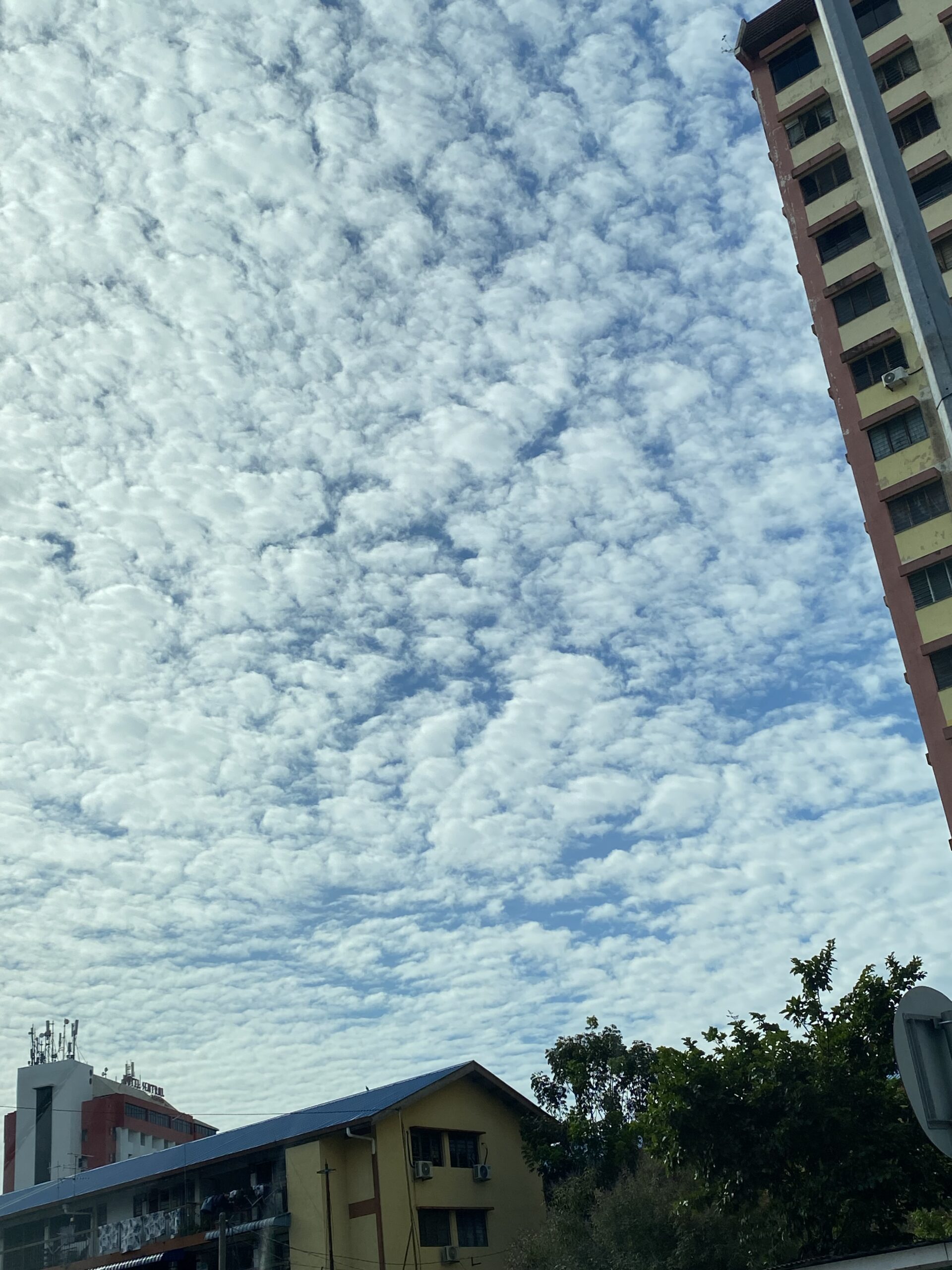
A Sky of Cotton and Calm: Penang Scenery
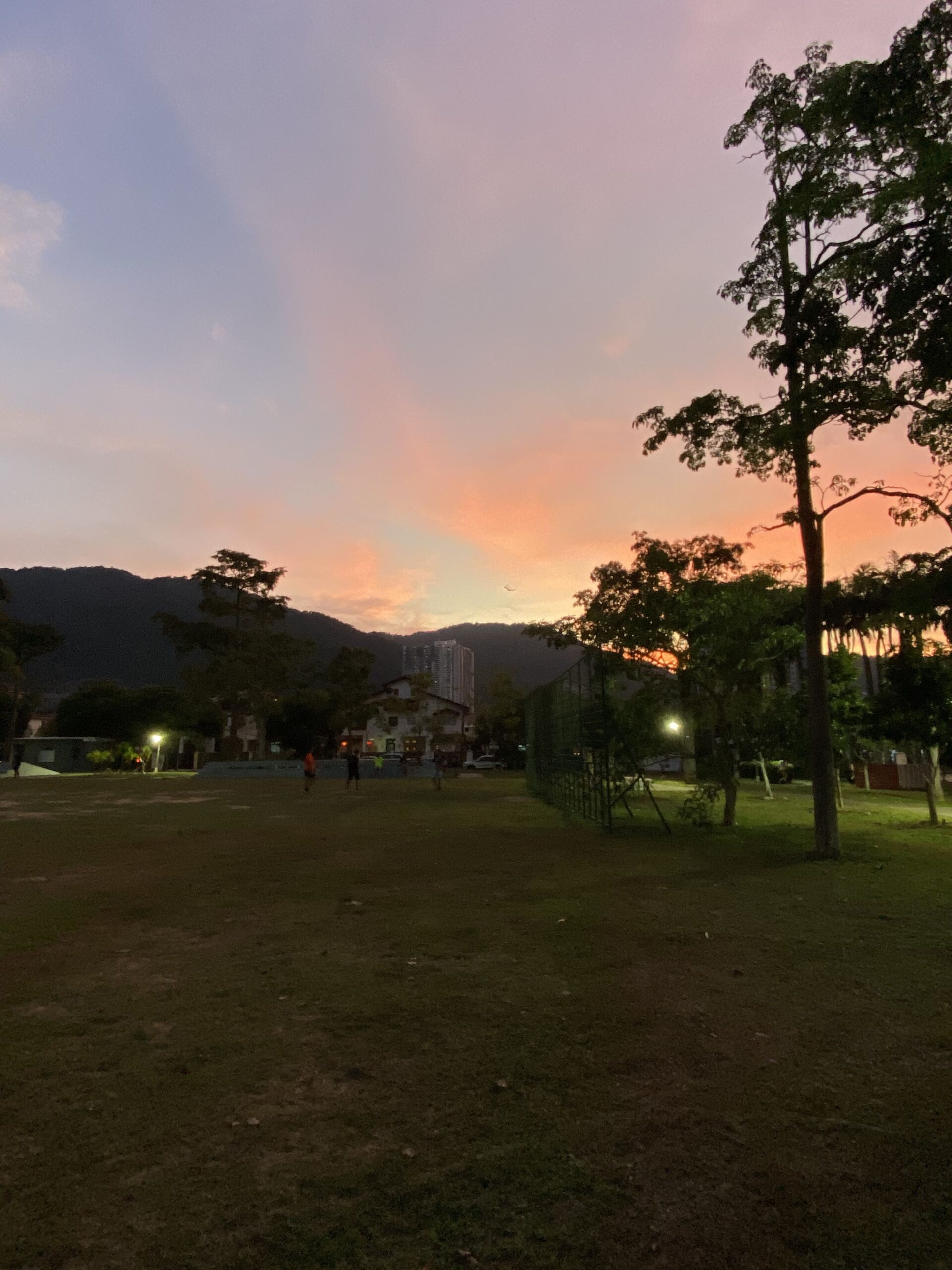
Nature decided to show off a little!
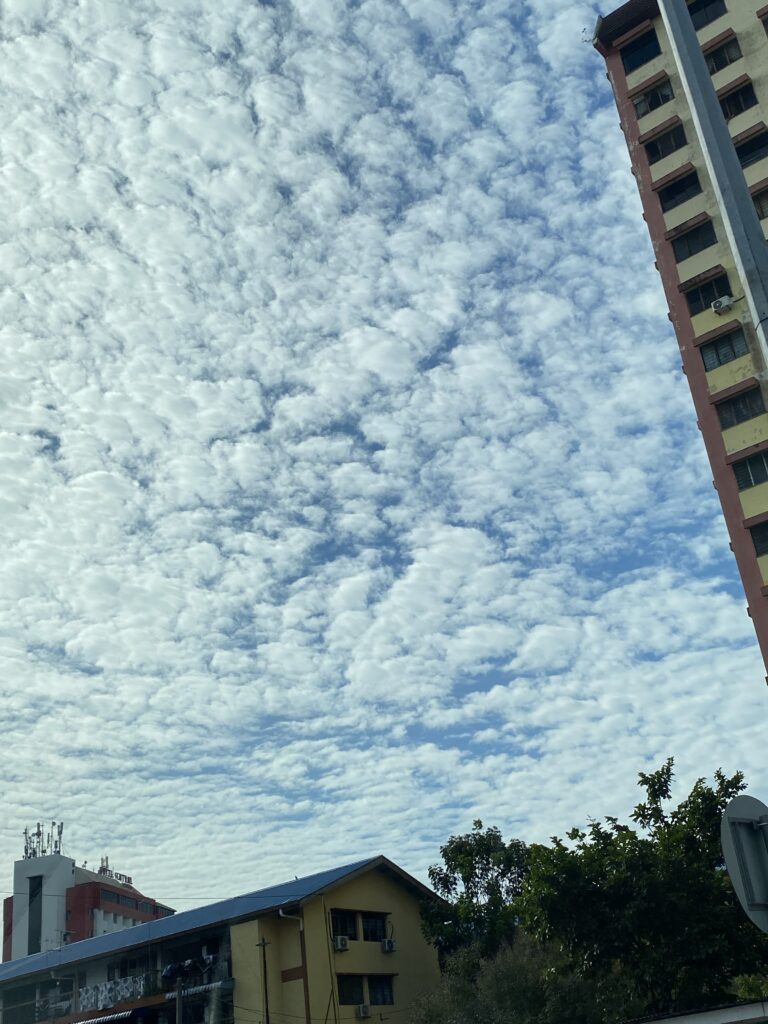
Nature decided to show off a little!
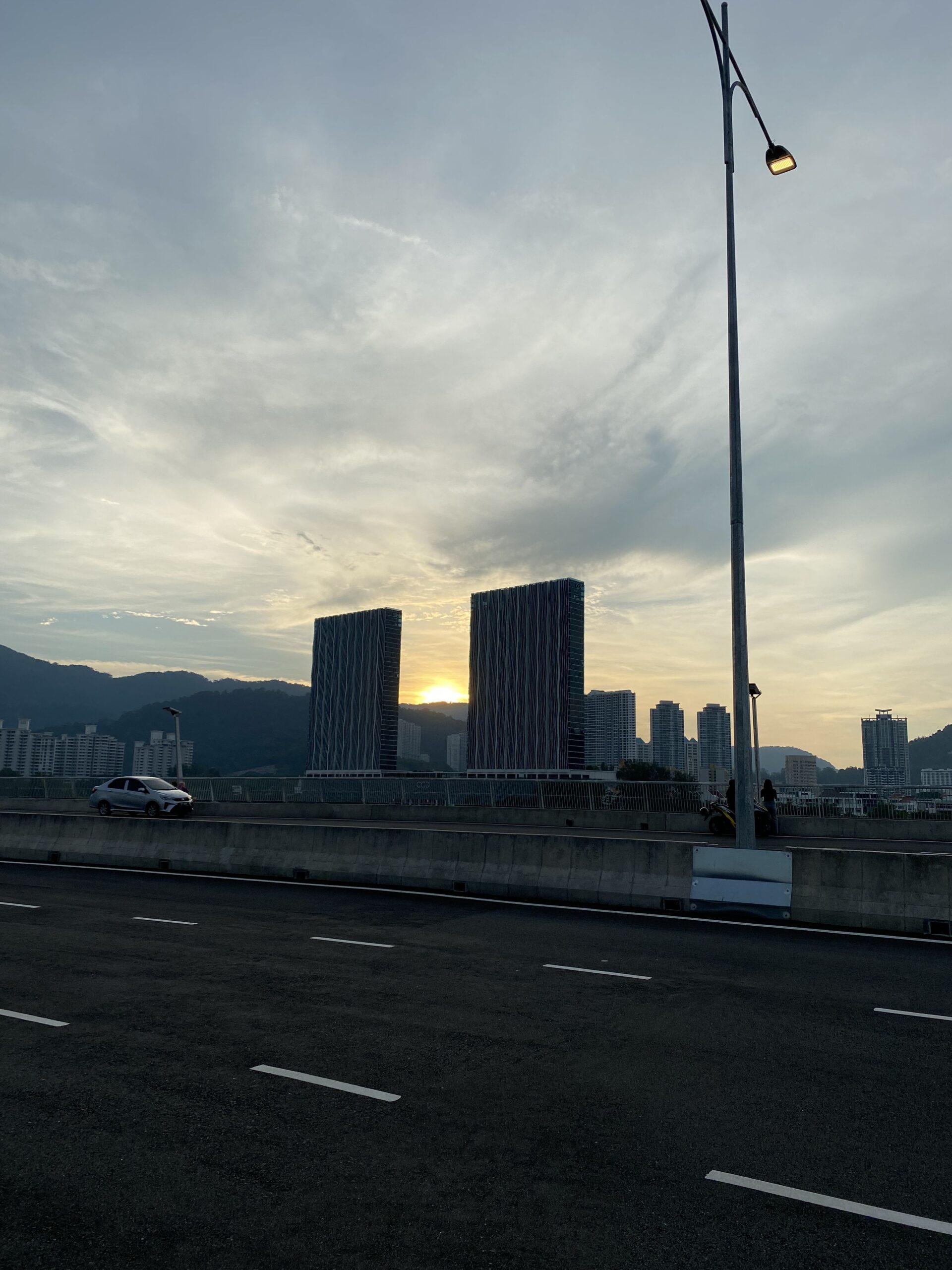
There’s something magical about the sky in Penang. It’s like someone gently pulled apart soft cotton balls and scattered them across an endless stretch of blue. The clouds drift in this lazy, wavy rhythm, like they’re in no rush to be anywhere — just floating, just being. The whole scene feels calm, almost too perfect to be real, like stepping into a quiet dream painted by the wind and light.
I couldn’t help but stop and look up, completely caught in the moment. There’s a softness in the air, a kind of stillness that makes you feel like the world has paused for a second. It’s as if nature took a slow, deep breath and decided to show off in the most effortless way.
No drama, no noise — just pure, gentle beauty that wraps around you and stays long after you’ve looked away.
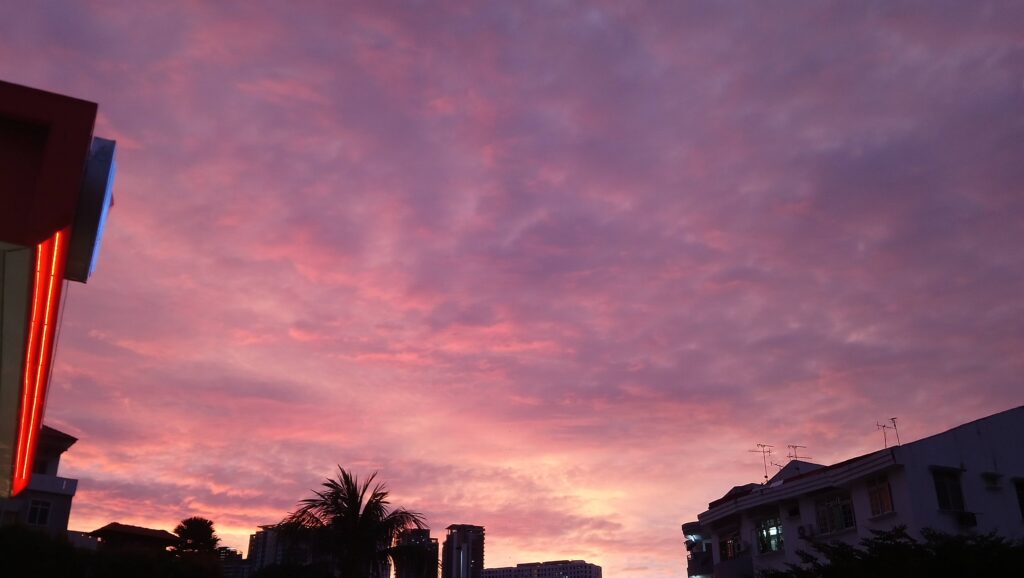
Further Reading: Cloud-Filled Skies and Scenic Horizons Across Penang
There’s something captivating about a sky full of clouds — how it softens the sunlight, reflects on the sea, and changes the mood of every landscape. In Penang, where sea breezes meet rolling hills, the sky becomes a moving canvas of textures and tones. Cloud-filled days reveal a side of the island that is often overlooked: calm, vast, and full of quiet drama.
The Science and Beauty Behind Penang’s Cloudy Skies
Penang’s location along the Straits of Malacca and its tropical monsoon climate make it a natural stage for cloud formations. Warm sea air rises, cools, and condenses into intricate layers of cumulus and stratus clouds. Between May and October, when the southwest monsoon brings moist winds, the skies often transform into sweeping blankets of white and gray.
Unlike clear, sunny days, a full cloud sky diffuses sunlight — softening shadows and deepening colors. This makes it a favorite condition for photographers capturing landscapes, architecture, or seascapes. Reflections off calm coastal waters add a mirror-like quality, amplifying the drama above.
Where to Experience Cloud-Rich Skies in Penang
Penang’s diverse geography — from hilltops to coasts — provides endless vantage points to observe the sky’s moods.
1. Esplanade Park, George Town
Facing north towards the open sea, Esplanade Park (Padang Kota Lama) offers uninterrupted views of the horizon. Cloud formations over the water often shift rapidly, especially during late afternoon when the sea breeze picks up. The restored seawall and nearby City Hall provide perfect foregrounds for sky photography.
2. Penang Hill
At 833 meters above sea level, Penang Hill offers an entirely different perspective. Mornings are often shrouded in mist or low-lying clouds, while afternoons reveal rolling banks of cumulus drifting over the island. The summit viewpoints — such as Sky Walk and Curtis Crest — are excellent for panoramic shots that capture both land and sky.
3. Batu Ferringhi Coastline
Along Penang’s northwestern coast, Batu Ferringhi offers wide sea horizons and open skies. The mix of sea spray, humidity, and afternoon light creates dramatic textures across the clouds. After rainfall, the air clears, giving a crisp contrast between ocean blue and the deep grays of post-storm clouds.
4. Tanjung Tokong & Straits Quay
These coastal neighborhoods face the Straits of Malacca, where clouds often form and disperse visibly across the open sea. The Straits Quay Marina offers clear vantage points for both sunrise and late-day cloud patterns.
5. Balik Pulau
The island’s western region, Balik Pulau has a rural charm and open skies framed by paddy fields. On overcast days, the reflection of clouds in waterlogged rice paddies creates stunning mirror effects — ideal for wide-angle shots and moody landscapes.
When and How to Catch the Best Cloud Formations
Cloud patterns in Penang are most dramatic during transition hours — early morning and late afternoon. These times bring shifting light and layered colors. During the southwest monsoon (May–October), skies tend to build heavy formations in the afternoon, while the northeast monsoon (November–March) often delivers high, wispy clouds and clearer evenings.
Tips for observation and photography:
- Check the Malaysia Meteorological Department for daily forecasts — but don’t rely on it completely; tropical skies can change within minutes.
- Arrive early before sunrise or stay until dusk for subtle light changes.
- Use reflections — wet sand, still ponds, or seawalls can double the visual effect of cloud cover.
- Capture scale — include Penang’s landmarks or coastline to emphasize the vastness of the sky.
- After rain — look for cloud breaks and sun rays (crepuscular rays) piercing through gaps; these often appear near the island’s western coast.
Cloudy Days and the Mood of Penang
A full cloud sky transforms Penang’s mood. The island slows down — light is softer, streets glow differently, and colors appear muted yet rich. This weather invites slower exploration: walking through George Town’s heritage lanes, pausing at Gurney Drive to watch the tide, or sitting at Chew Jetty as clouds drift by above the calm sea.
Even local photographers see cloudy days as an opportunity to experiment with tone and contrast. Shadows fade, reflections deepen, and the horizon becomes infinite.
Related Sights and Natural Phenomena
Penang’s skies hold more than just clouds — watch for sun halos, rainbows, and mist arcs after brief showers. These optical displays occur when sunlight interacts with ice crystals or water droplets suspended in the air. The Esplanade and Seafront Promenade are particularly good locations for spotting halos around the sun, especially during midday when thin cirrostratus clouds are present.
To complement your sky photography, explore nearby areas like:
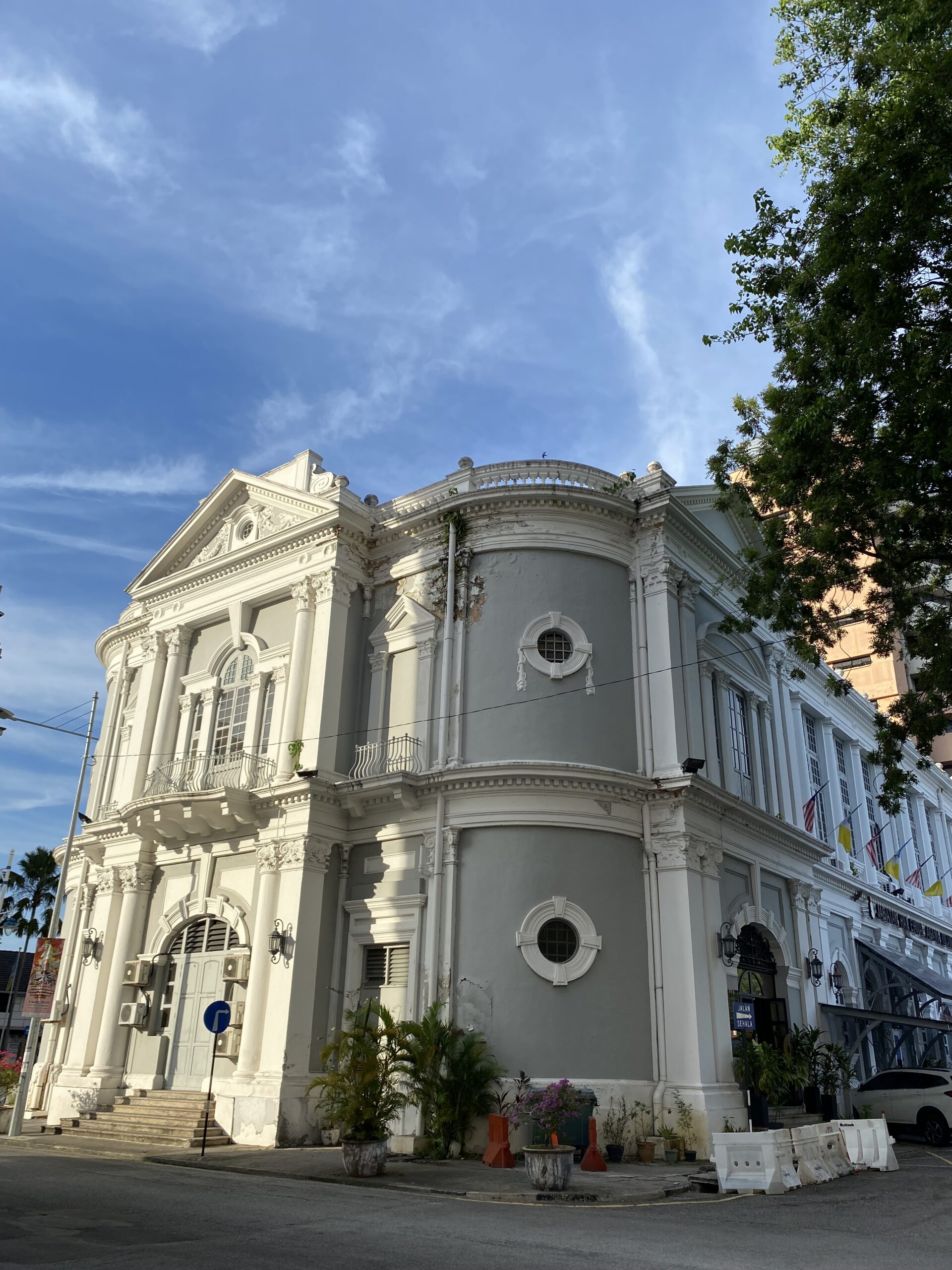
- Fort Cornwallis and Town Hall, for colonial architecture beneath dramatic skies.
- Karpal Singh Drive, for sea-meets-city skylines with low cloud reflections.
- Teluk Bahang Dam, where mist and mountain clouds converge in early morning light.
Geo Tips for Travelers and Explorers
- Getting Around: Most sky-watching locations are accessible by car or ride-hailing. For a greener experience, rent a bicycle within George Town’s UNESCO area or take the funicular train up Penang Hill.
- Timing: Morning light (7–9 a.m.) and late afternoon (5–7 p.m.) are best. Midday may appear flat unless you’re chasing halos or diffused light scenes.
- Safety: During thunderstorms, avoid open areas, metal structures, and high vantage points. Observe from sheltered spots instead.
Closing Reflection
Cloud-filled skies are reminders that Penang’s beauty isn’t limited to sunshine. Each layer, shadow, and ray tells a story of movement between land, sea, and sky. Whether viewed from the city’s waterfront or the quiet hills of Balik Pulau, a cloudy day in Penang carries its own kind of brilliance — one worth waiting for, and one that every explorer should learn to see.

Post Comment