
Eye-catching Government House on Jalan Perak: Set Back from the Road, Rooted in Time
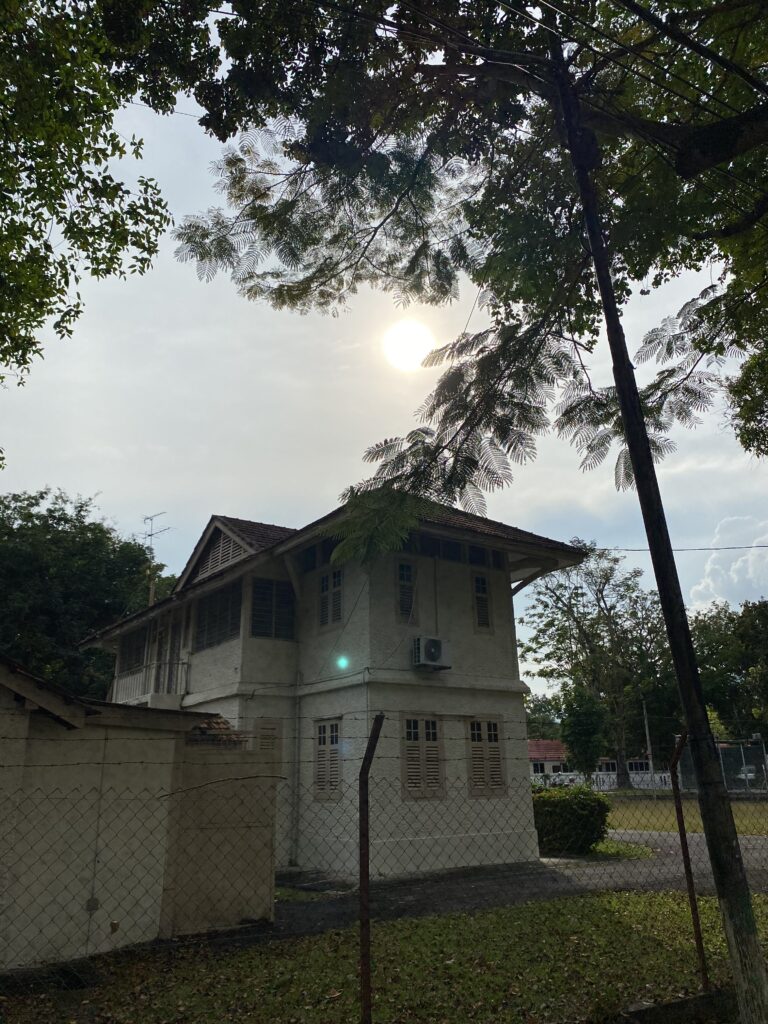
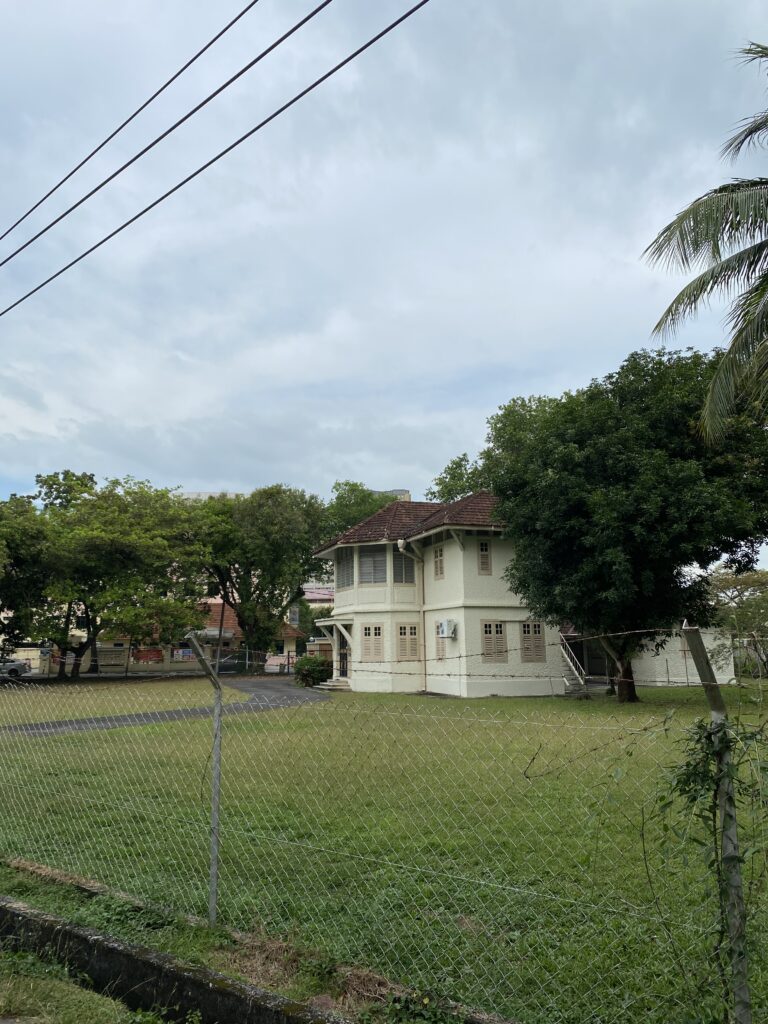
Beneath a gentle canopy of mature trees, the government house reveals itself quietly. Sunlight filters through feathery leaves, casting soft shadows that immediately slow the pace of the street beyond.
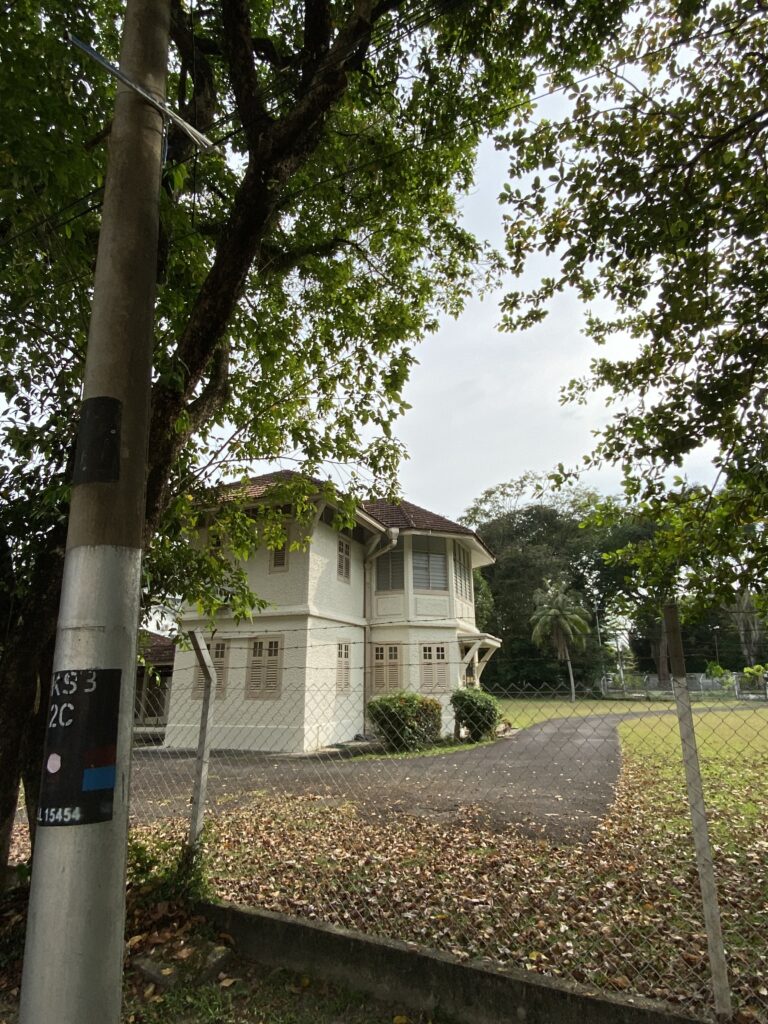
Yet while driving along Jalan Perak, one can’t help but notice it. There is something about its quiet presence — the way it sits back from the road, framed by trees and open lawn — that gently draws the eye.
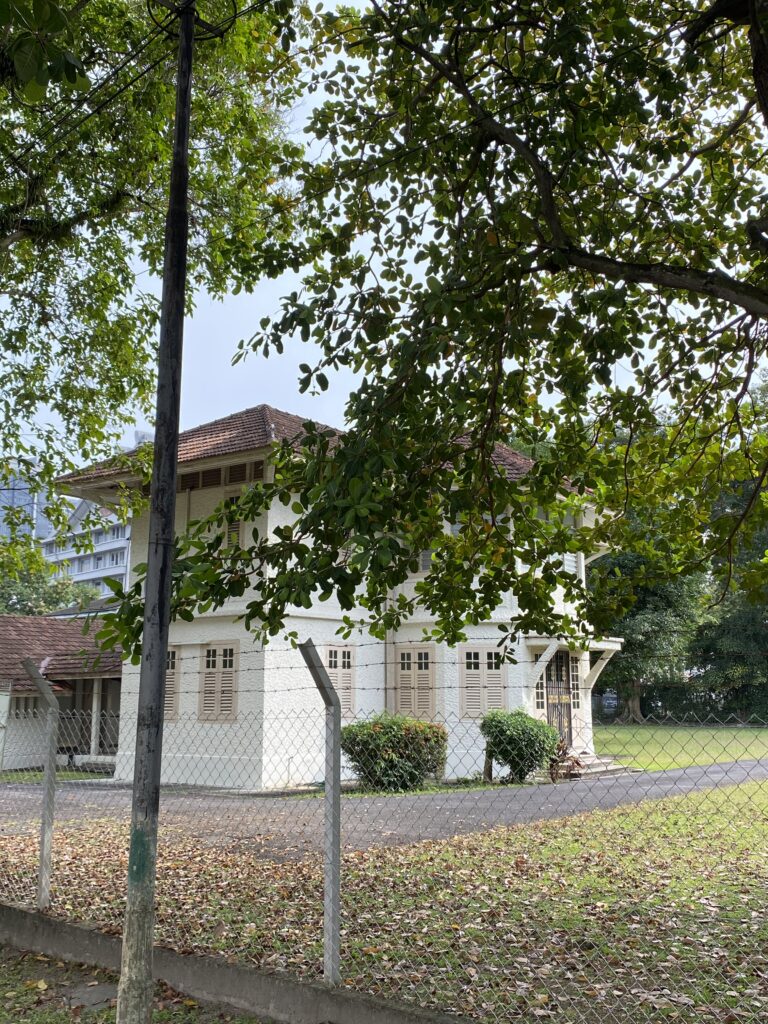
For those who notice details, there is often an urge to slow down, perhaps even to stop and take a closer look. But traffic along Jalan Perak moves quickly, and many simply pass by, carrying that fleeting curiosity with them.
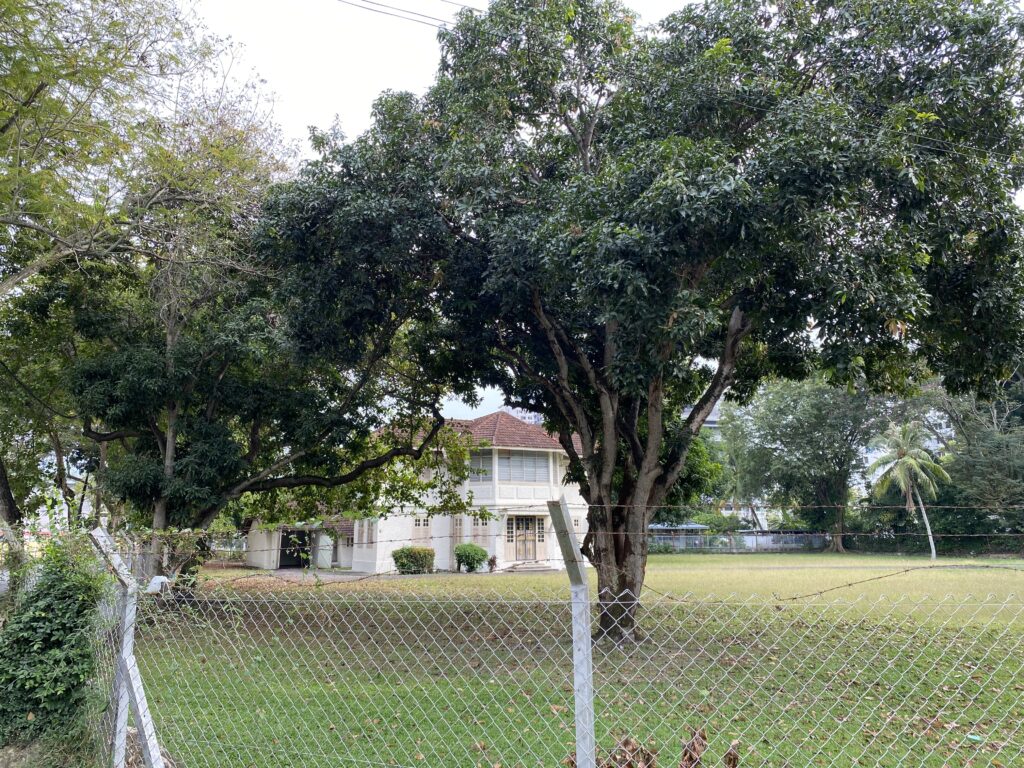
Step closer, however, and the house reveals itself as a gem. This Government House (Class C) is painted in a soft, pale tone that catches the light without glare, paired with a weathered red-tiled roof that speaks of age and endurance.
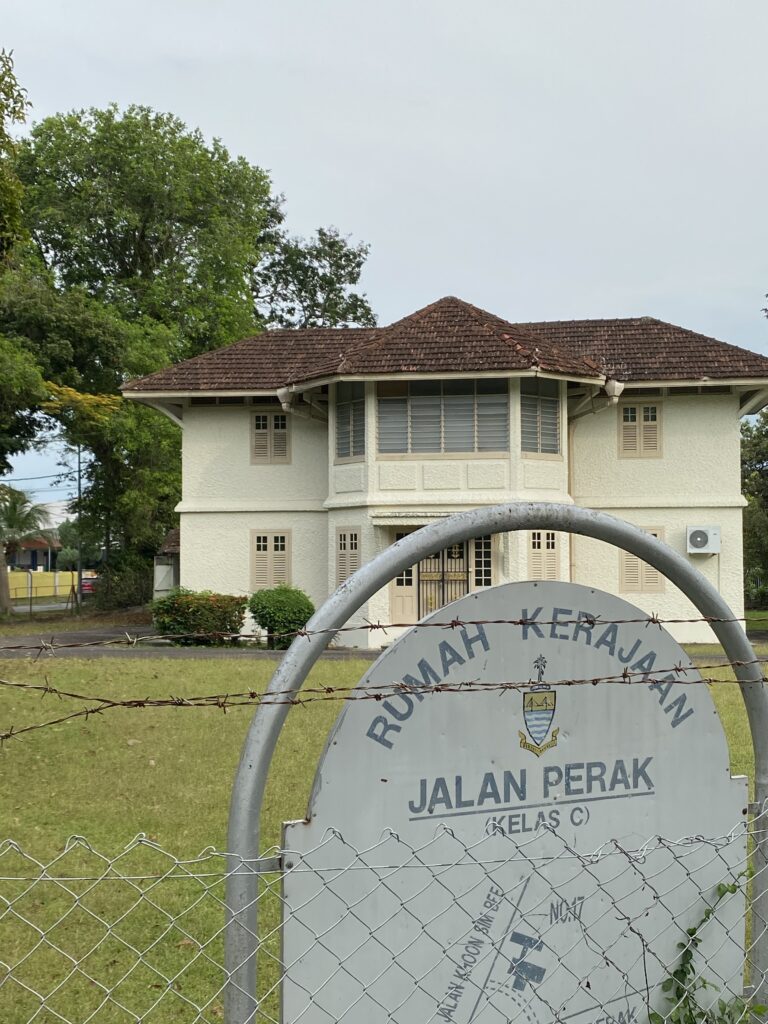
Timber shutters line the windows with quiet rhythm, while the projecting upper bay, wrapped in louvred panels, reflects a time when tropical design was guided by airflow and shade rather than modern convenience. The architecture is restrained yet thoughtful — elegant without being grand.
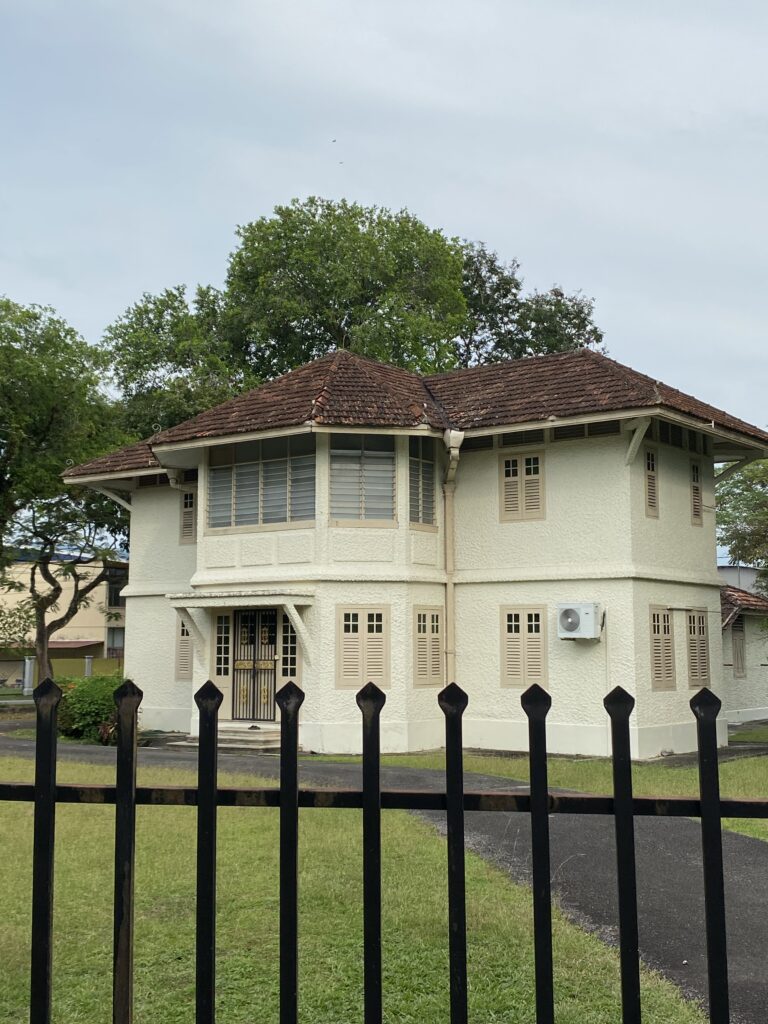
The house sits comfortably within a large plot, surrounded by a spacious lawn that amplifies its sense of calm. The open grounds create a generous buffer from the road, allowing the building to exist in its own measured pace despite the busy traffic just beyond the fence.
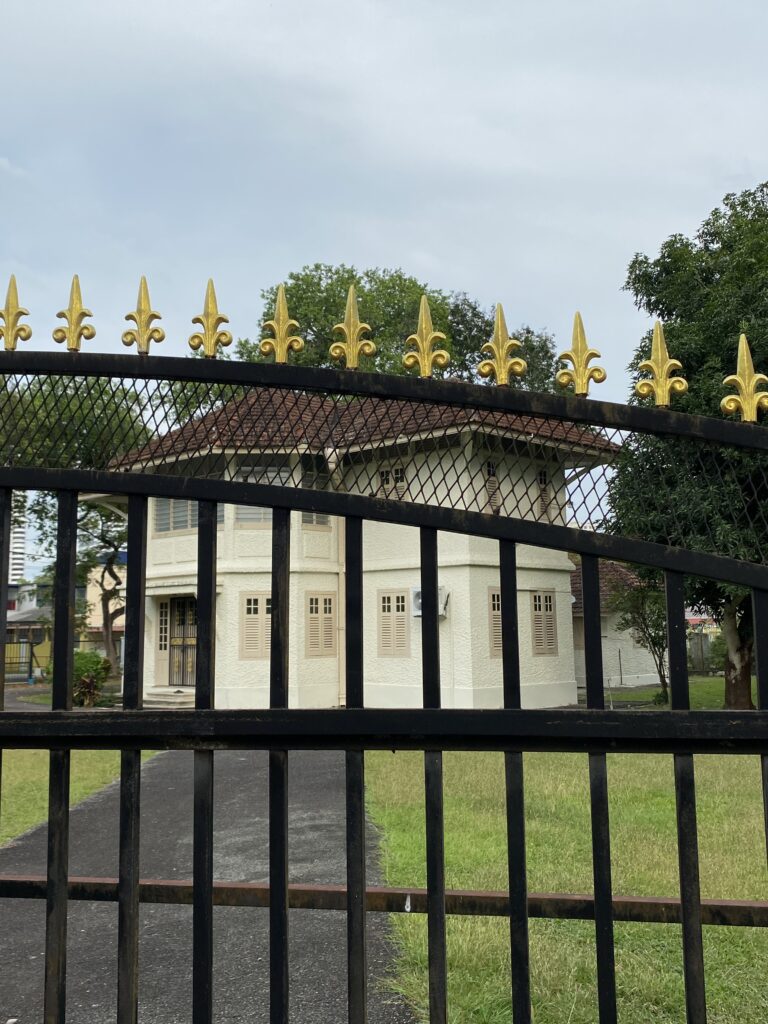
Grass, mature trees, and wide setbacks give the residence room to breathe, a luxury rarely seen along major roads today.
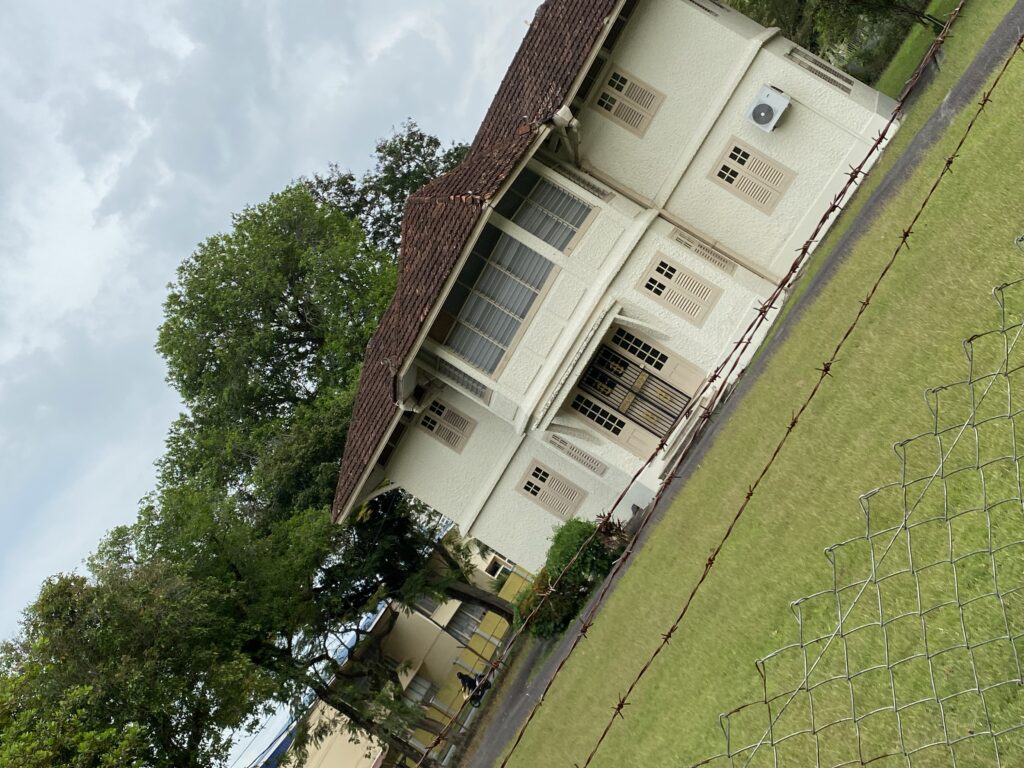
Standing along Jalan Perak, directly opposite the old barracks, this house forms part of a quieter administrative past.
Seen up close, it is not just an old residence but a reminder that some of Penang’s most interesting heritage buildings do not announce themselves loudly. They wait patiently, offering their stories only to those who pause long enough to look again.
Further Reading
If you often find yourself noticing old buildings while moving through Penang, this stretch of Jalan Perak is a rewarding place to slow down — at least visually. Long before traffic lights and busy junctions defined the road, this area formed part of a broader administrative landscape where space, order, and practicality shaped the built environment.
Government House (Class C)
When a heritage building in Penang carries the label Government House (Class C), it points not to ceremony, but to everyday government life from another era. These houses were once owned by the colonial or post-independence government and served as official homes, not offices — quiet places where mid-ranking officers lived their daily routines away from public attention. Many were built during the British colonial period, later absorbed into the Public Works Department (JKR) system, where Class A was reserved for Governors, Class B for senior administrators, and Class C for department heads, engineers, district officers, and senior clerks.
Time has softened these labels. A Class C house may still sit on a generous plot, appear architecturally confident, and feel more refined than expected. In Penang, such residences often line roads like Jalan Sultan Ahmad Shah (Northam Road), Macalister Road, Residency Road, and other former administrative zones — some now vacant, others reused as offices, galleries, or museums, all quietly folded into the city’s living heritage.
Frequently Asked Questions
1. What does Government House (Class C) mean?
It refers to a government-owned residence for mid-ranking officers, designed for function rather than ceremony.
2. Are Class C Government Houses common in Penang?
They are less visible today, but several remain along older administrative roads like Jalan Perak.
3. Why is Jalan Perak considered an important road?
It is a major connector in George Town, historically linking residential, military, and administrative areas.
4. Was this house used for official events?
No, it was primarily a private residence for government officers.
5. Can visitors enter the building?
The house is not open to the public, but it can be appreciated from the roadside.



Post Comment