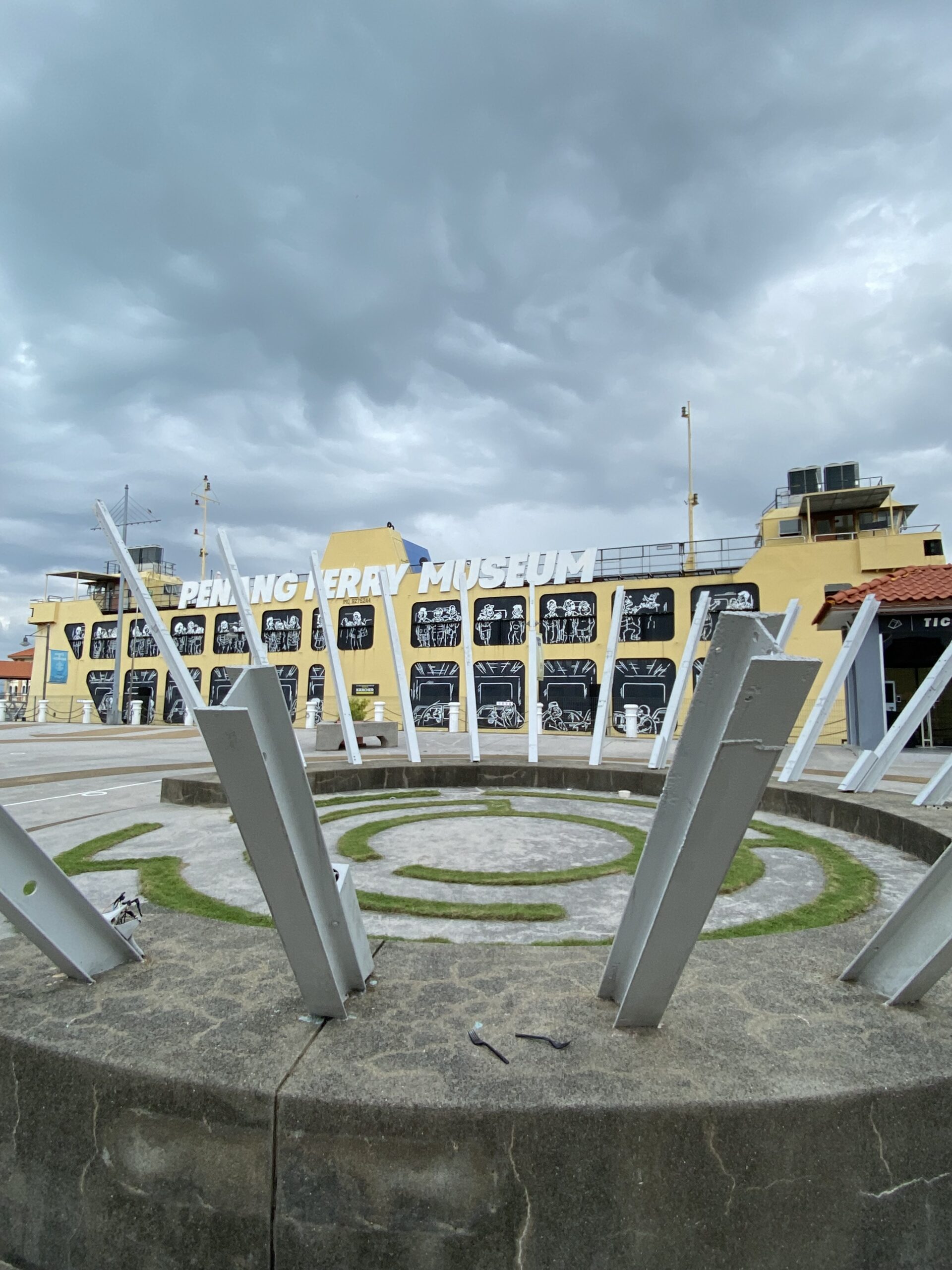
Penang Ferry Museum: Explore the Ship, Climb to the Pilothouse and Enjoy the Sea Breeze
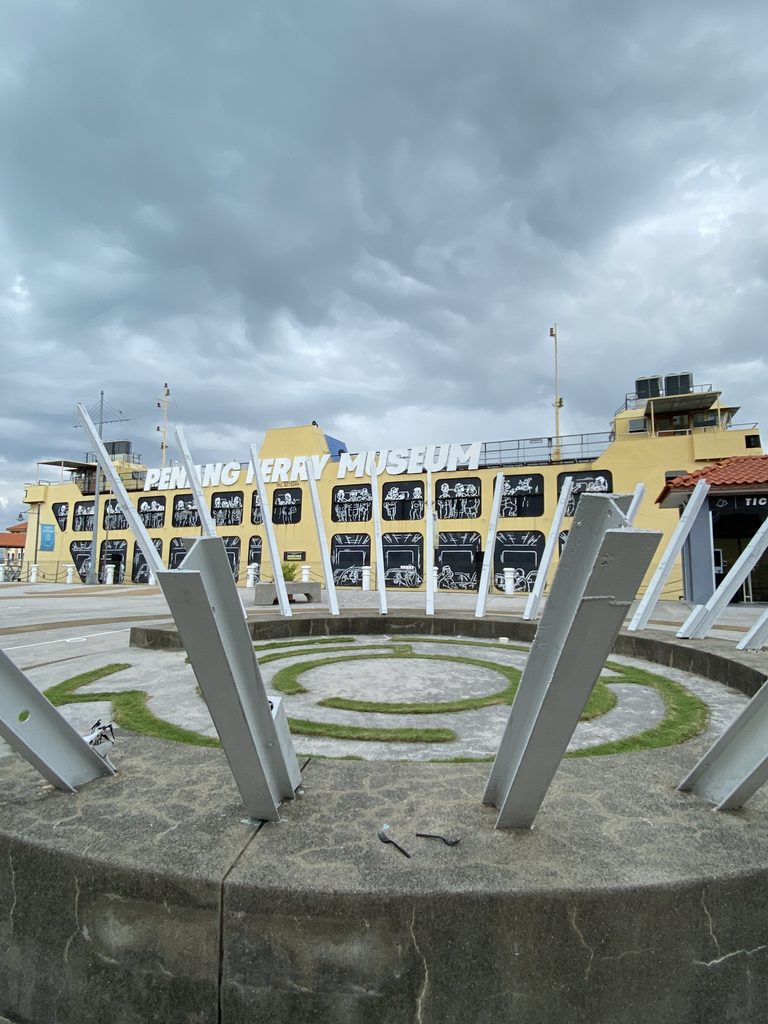
On a rain-soaked evening, I made my way to the Penang Ferry Museum, following a recommendation from an old friend. For those visiting Penang with an appreciation for ships and the sea, this is one attraction well worth adding to your itinerary.
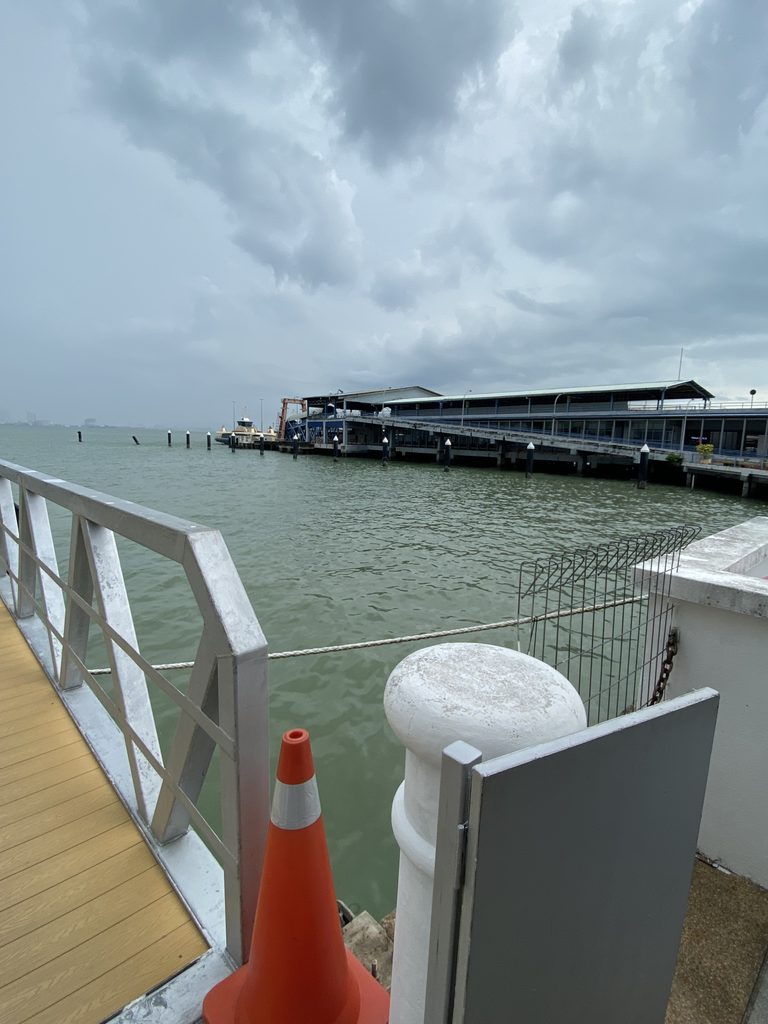
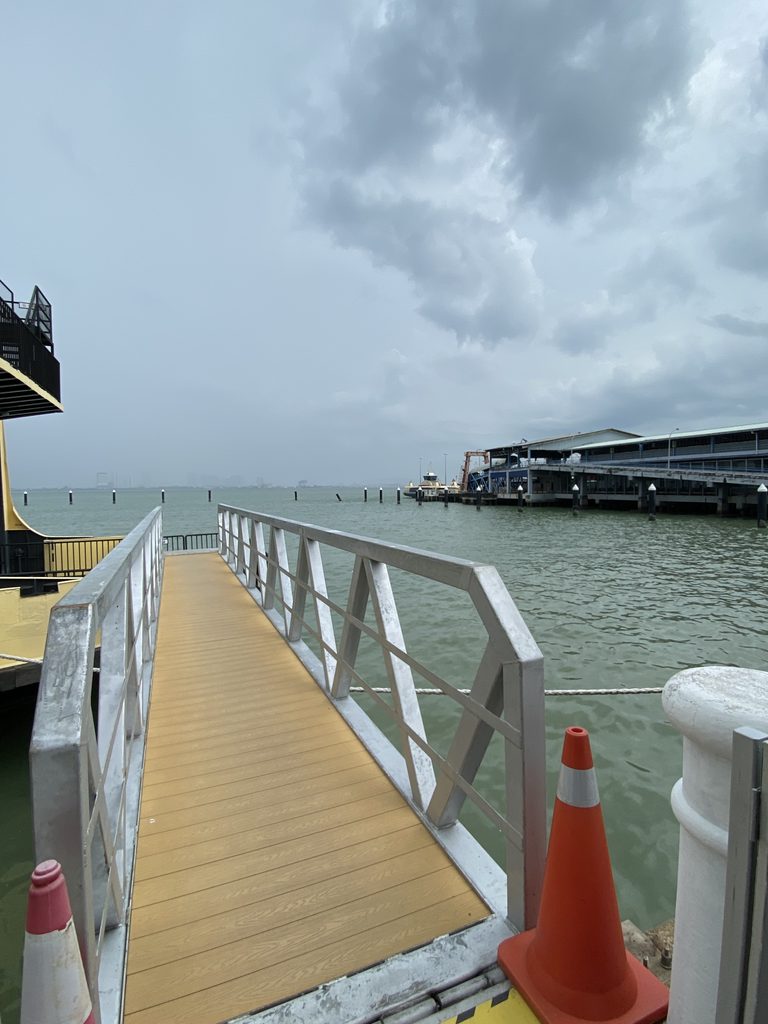
Even before entering the museum, I was already enjoying myself. The sea stretched out in front of me, and the cool breeze felt especially refreshing on a rainy day. If you have visited Chew Jetty before, you may find the scenery rather familiar. There is something about standing by the water, watching the sea and feeling the breeze against your face that makes you want to admire the view before entering the Penang Ferry Museum.
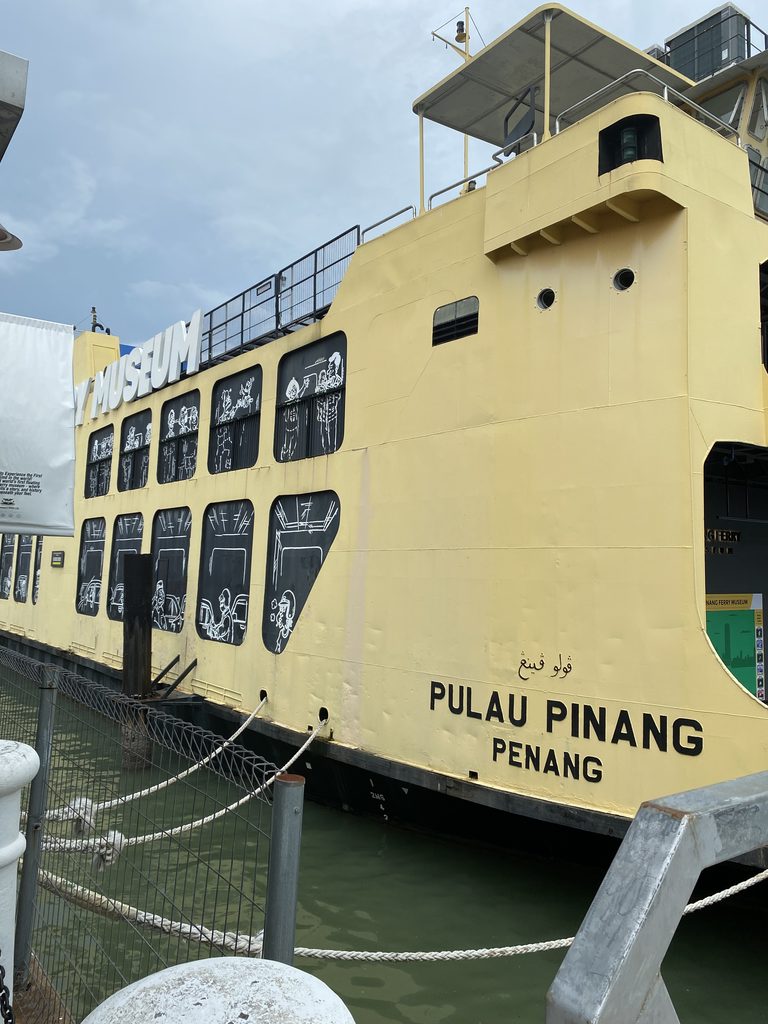
Outside the ferry, you can also spot murals painted on its body, adding a touch of colour to the old vessel.
But the real adventure begins after you scan your ticket at the automatic gate. Walk across a short bridge, and there you are, standing at the entrance of the ferry.
Ready to explore the ship? Let’s go!
Opening Hours: Monday-Sunday; 9.00AM – 6.00PM
Phone: +60 11‑1177 7449
Address: Tanjung City Marina, Georgetown, Penang.
For ticketing, visit here.
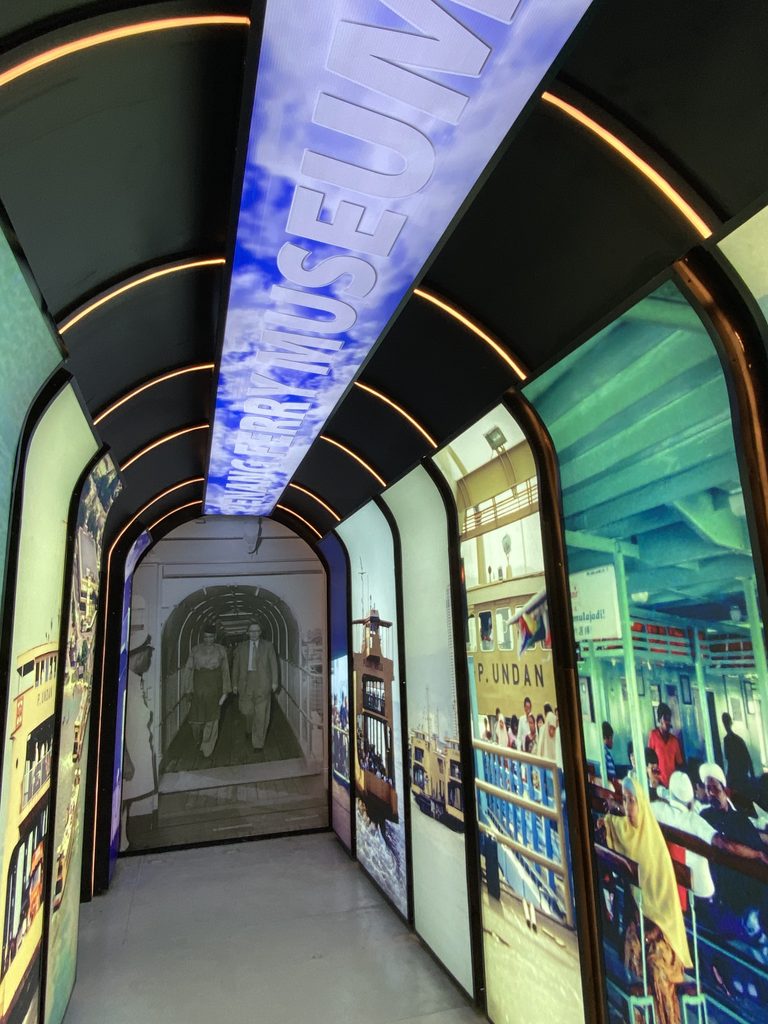
Step Aboard: A Journey into Penang’s Ferry History
After entering the ferry, you will be greeted by a figure appearing on a screen. It is a rather interesting way to begin the visit, almost as if someone is there to welcome you aboard before you begin your journey.
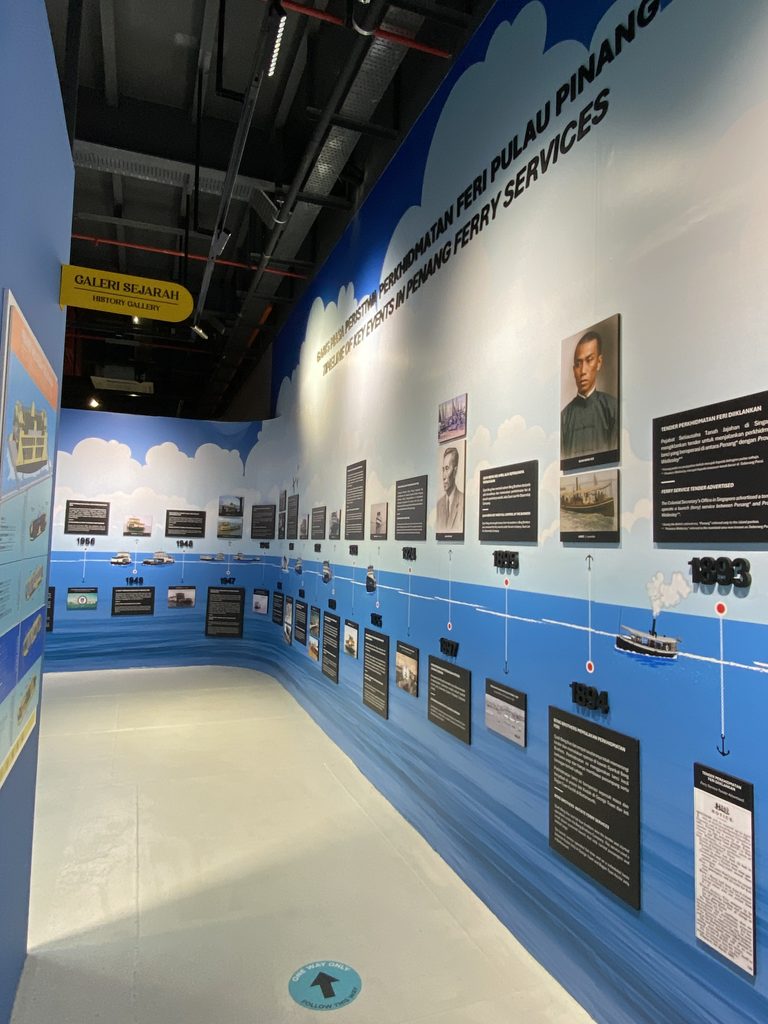
As you move further inside, the first exhibition area introduces the history of Penang’s ferry services through displays and information along the walls.
Walking through this section feels a little like entering a passage of time. For generations, ferries have been an important part of life in Penang, connecting the island with the mainland and carrying people across the water for work, school, family visits and everyday errands.
For many Penangites, the ferry is more than just a way to get from one side to the other. It is part of the state’s collective memory.
Even if you did not grow up taking the ferry regularly, this first section gives you a better understanding of why these vessels hold such a special place in Penang’s history.
Small Ship Models, Big Stories
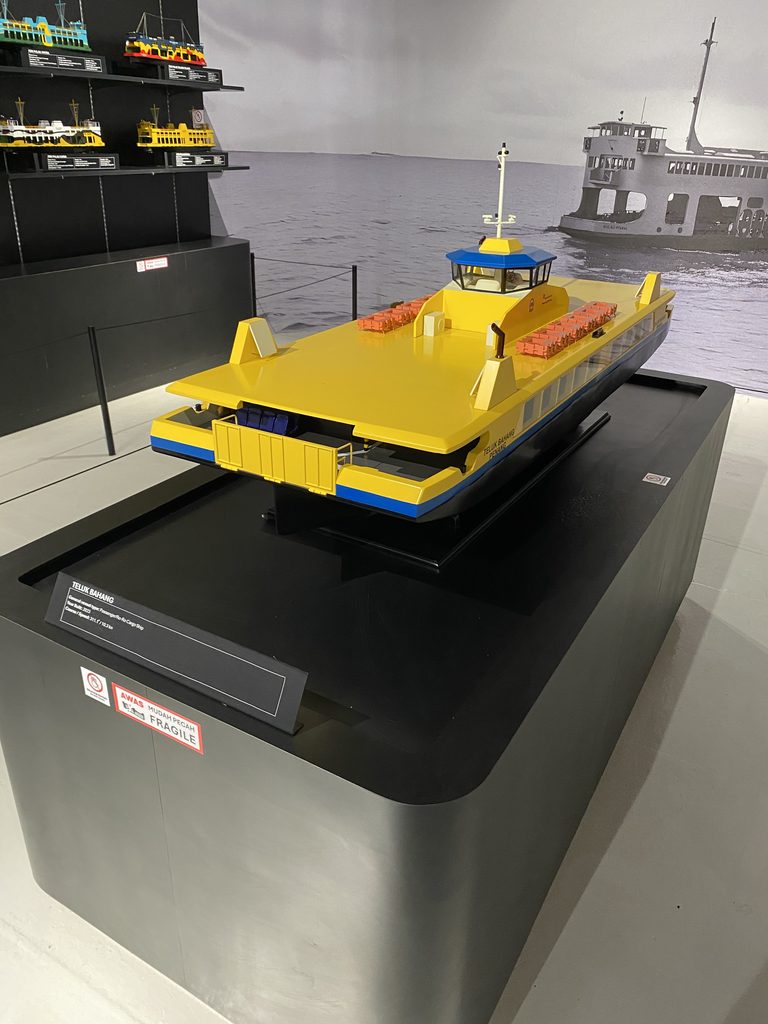
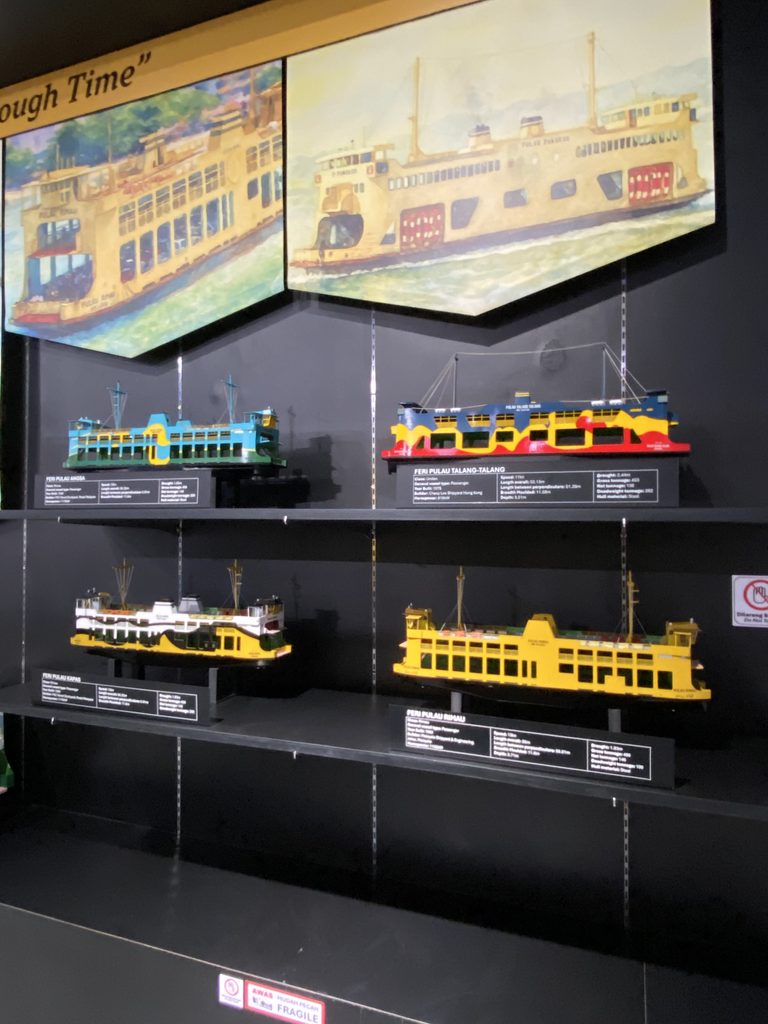
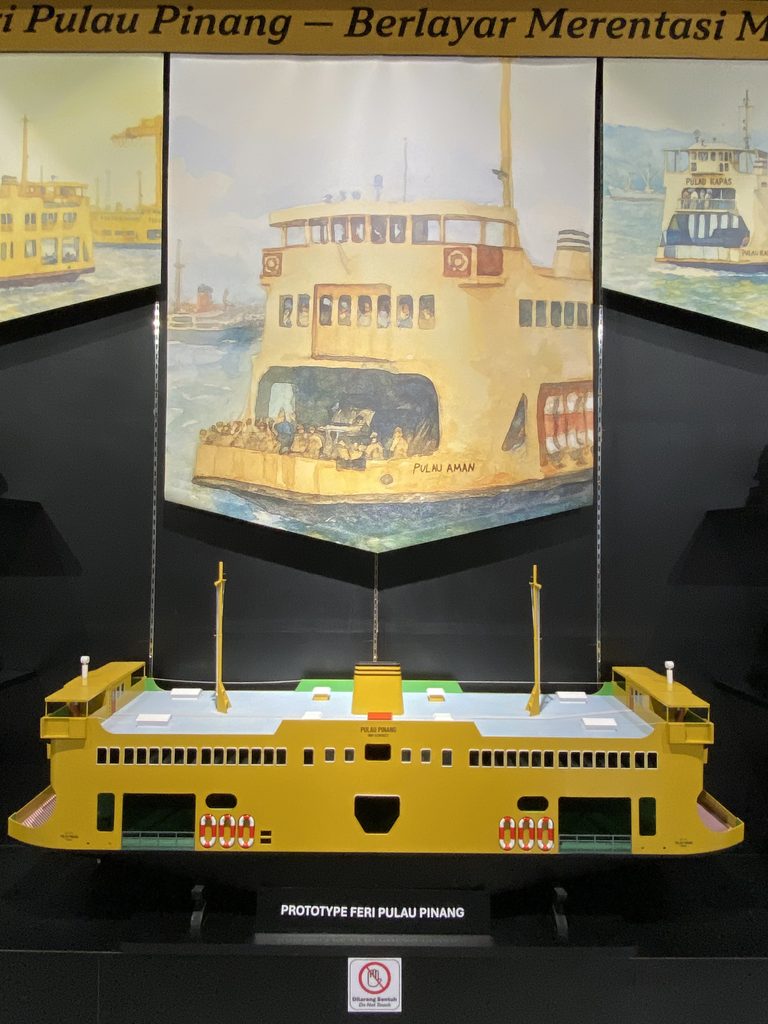
After the historical displays, you will come across a collection of small ship models.
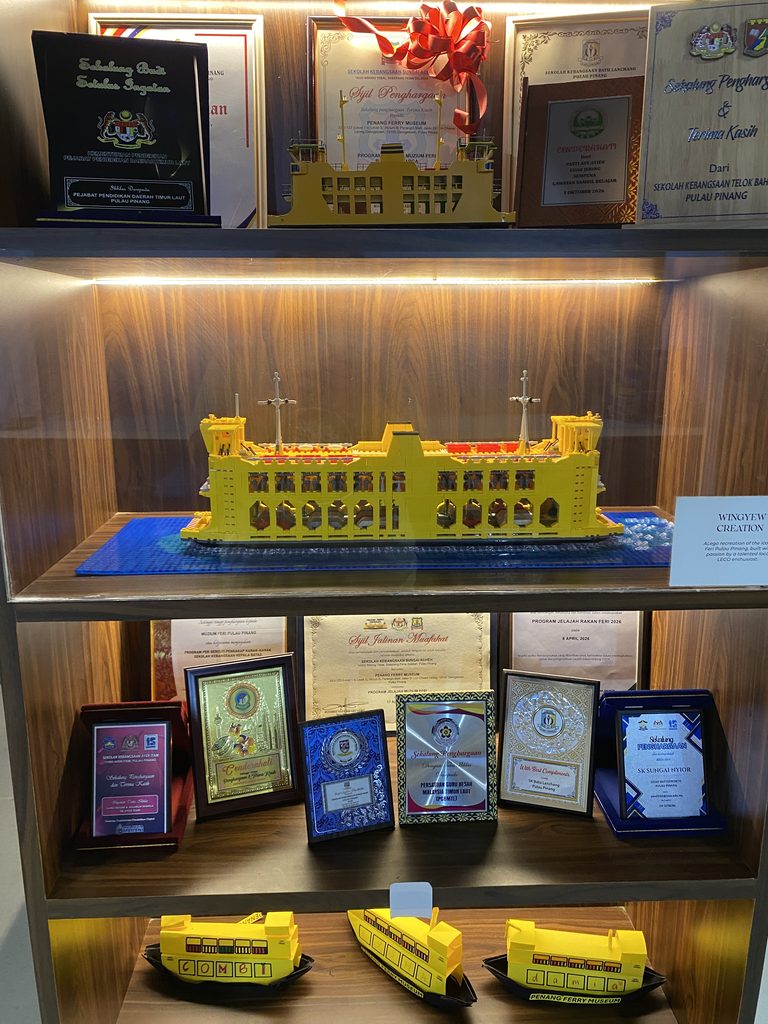
These models represent different vessel designs from different periods, giving visitors a closer look at how ships have varied in appearance and construction over the years.
I always find miniature models interesting because they allow you to appreciate details that might be difficult to notice on a full-sized vessel. You can take your time looking at the shapes, structures and different features without having to walk around an enormous ship.
For children, the models can also be a fun introduction to the world of boats and maritime transport. For adults, they offer another way to appreciate how ship design has developed over time.
And this is only the beginning. The museum has more than models and historical photographs waiting for you.
Quah Beng Kee: The Man Behind Penang’s First Ferry Service
One important figure in the early days of Penang’s ferry service was Quah Beng Kee, a local entrepreneur who, together with his four brothers, established the Beng Brothers ferry service around 1894. Their small fleet of steamers and launches connected Kedah Pier in George Town with the mainland, helping passengers cross the channel long before the Penang Bridge existed. His venture later grew into the Guan Lee Hin Steamship Company, laying the foundations for a ferry service that would become an important part of everyday life in Penang.
Ship Safety Equipment, Steering and Navigation Lights
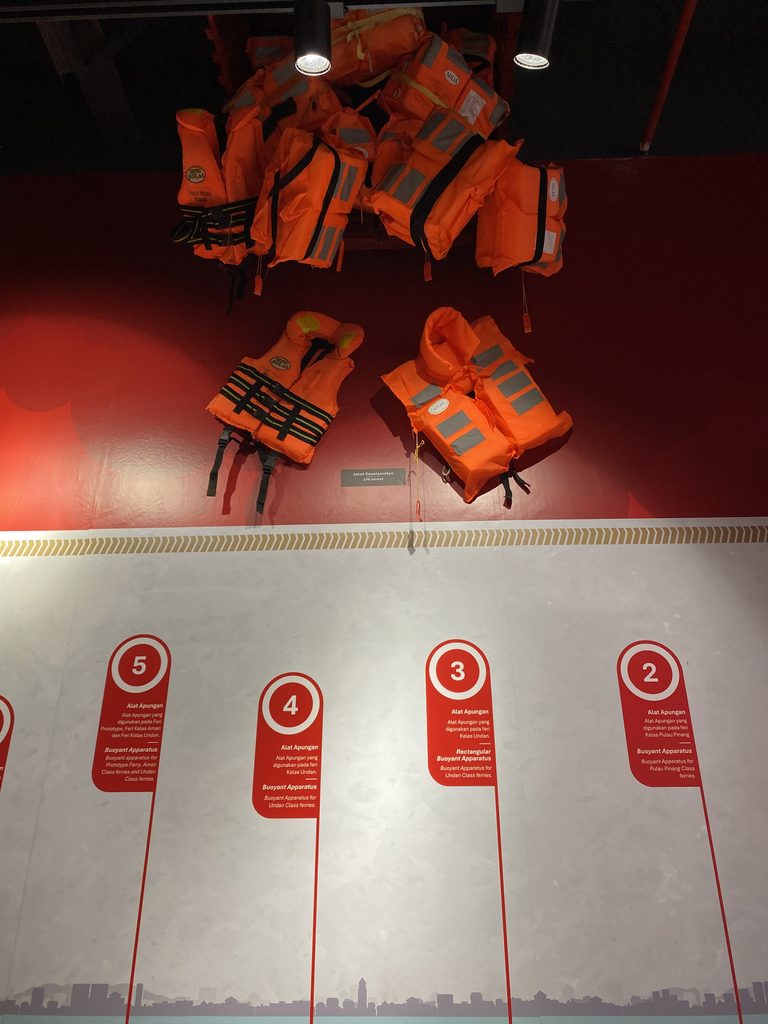
Next, you will reach an exhibition area showcasing various pieces of maritime equipment.
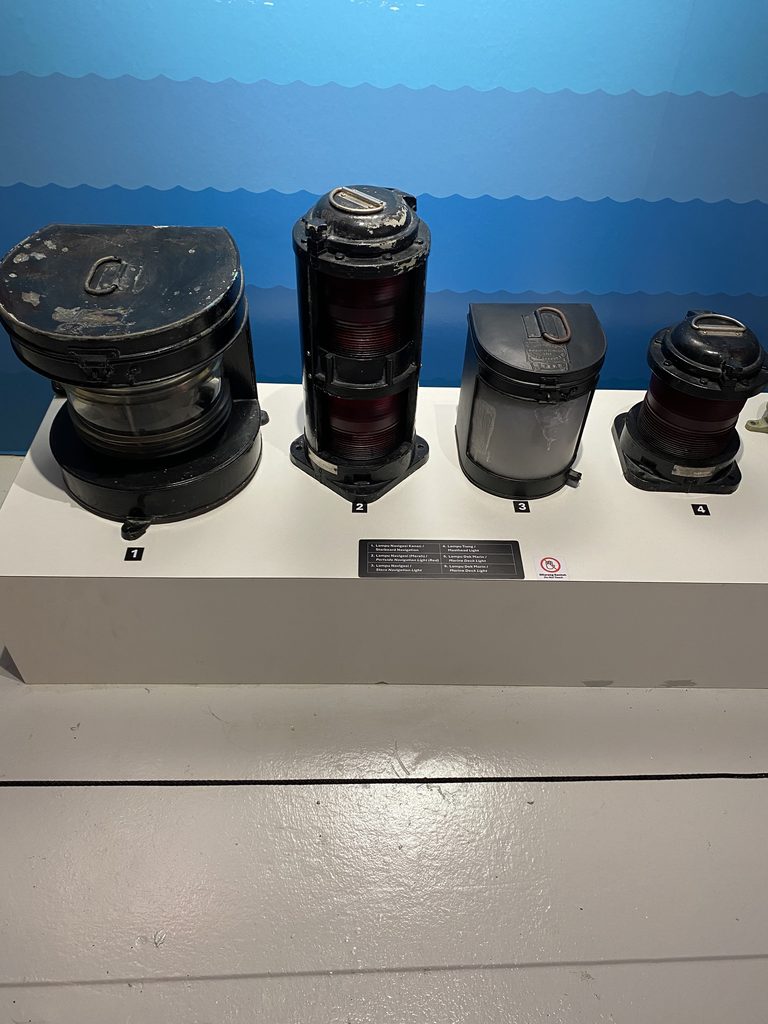
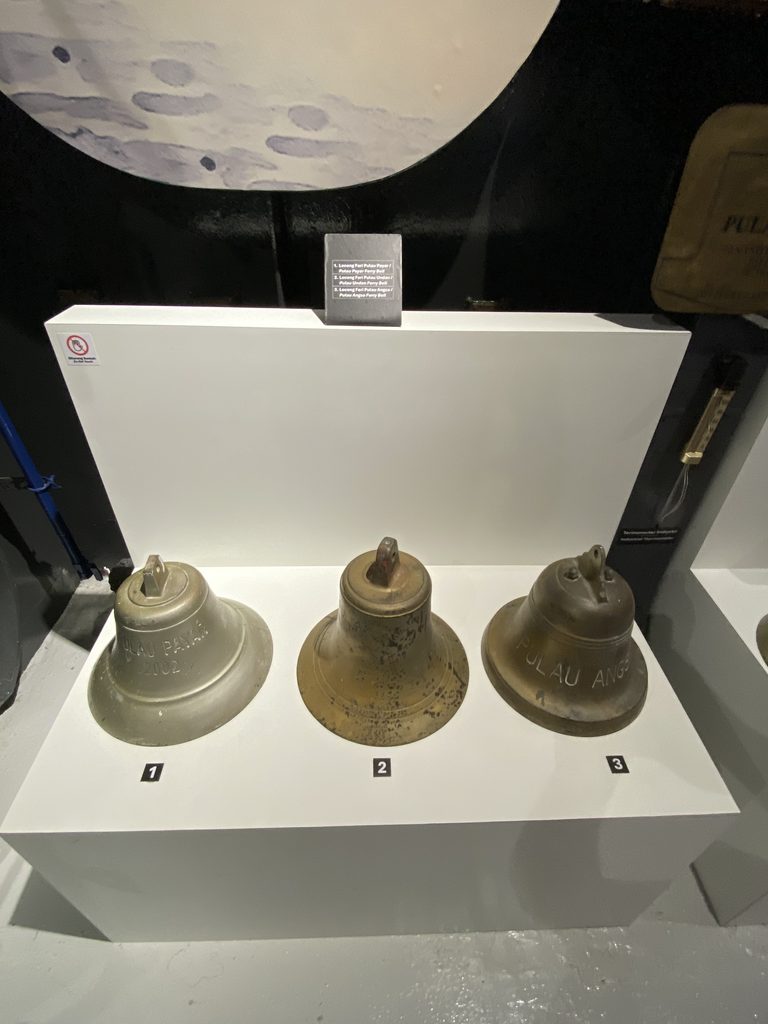
Here, you can see ship safety equipment, steering wheels, ship lanterns and navigation lights, as well as ship bells.
These may seem like ordinary objects at first glance, but each has an important role to play when a vessel is out on the water. Safety equipment helps protect passengers and crew, while steering and navigation systems help the vessel move in the right direction and operate safely.
The ship bells are particularly interesting as a reminder of how vessels have relied on different methods of communication and signalling over the years.
This section gives you a better appreciation of the many things that must work together behind the scenes whenever a ferry carries passengers across the sea.
After all, when we board a ferry, most of us are thinking about our destination rather than the equipment that helps get us there safely.
Watch Penang’s Ferry History Come Alive
One of the more immersive parts of the visit is the projection room.
Inside, a video about the history of Penang’s ferry service is projected across three walls. Instead of watching a film on a single screen, you are surrounded by the visuals, creating a more engaging way to learn about the ferries and their place in Penang’s development.
It is a nice change of pace from reading exhibition panels. You can stand inside the room and take in the story as the images unfold around you.
If you are visiting with family, this could be a good opportunity to help younger visitors understand how ferry services have changed over time.
For older visitors, the historical footage and imagery may bring back memories of journeys taken in years gone by.
And just when you think you have seen most of what the ferry has to offer, another part of the vessel awaits.
Step Down into the Engine Room
After leaving the projection room, you will come to another section where you can descend a steep ladder to view the engine room.
This is where the experience becomes a little more adventurous. Unlike the exhibition areas with their photographs and displays, the engine room lets you get closer to the machinery associated with operating a vessel.
Take your time when using the ladder, as the descent is steep. Visitors who are uncomfortable with ladders or have mobility difficulties may want to consider this before going down.
For those who do make the descent, the engine room offers a different perspective on ferry life. It is a reminder that behind the passenger areas and the pleasant views of the sea, there is an entire system of machinery needed to keep a vessel running.
It is also a part of the visit that curious children and adults interested in engineering may particularly enjoy.
Bringing the Little Ones Along? There Is a Children’s Activity Room
Once you have explored the lower section, head one floor up to the children’s activity room.
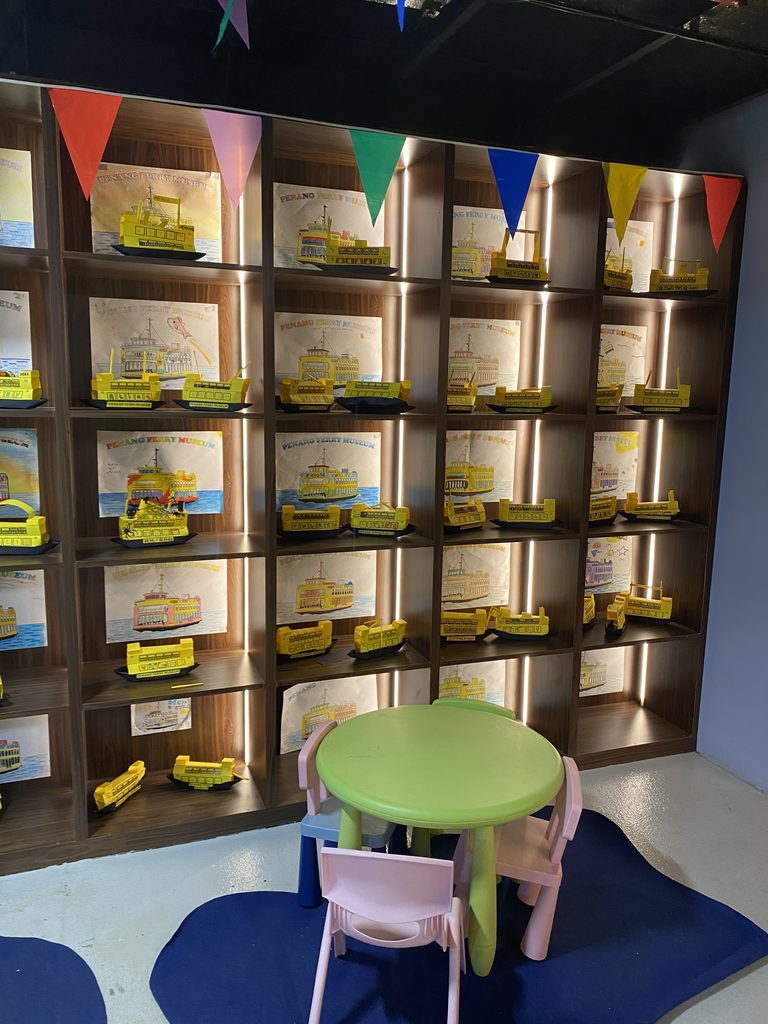
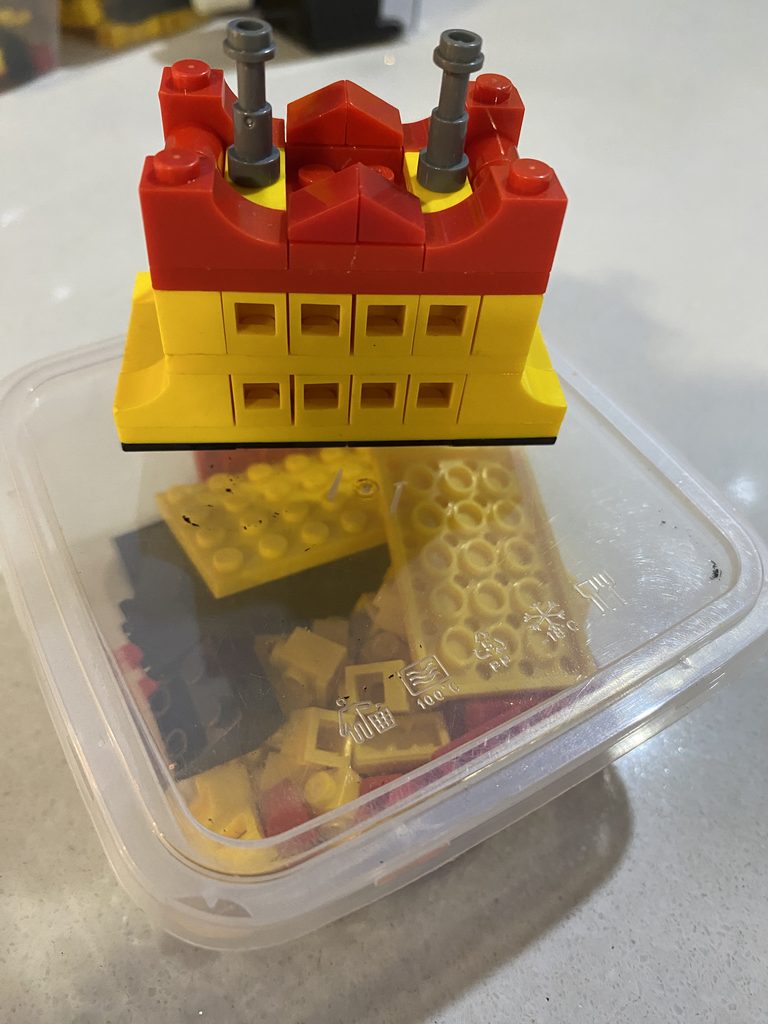
This area offers younger visitors a chance to take a break from looking at exhibits and get involved in some hands-on activities. Children can fold and draw their own ferry designs and play with ferry-themed building blocks quite similar to LEGO.
It is a thoughtful addition because a museum visit can sometimes feel like a lot of reading and looking for younger children. Having activities they can participate in makes the experience more enjoyable and gives them something creative to do.
Parents can use this opportunity to let the kids have a little fun while still keeping the visit connected to the theme of the museum.
As you leave this section, take a moment to look at the paintings displayed along the walls. They add another visual touch to the journey before you continue upstairs.
The Pilothouse: Where the Captain Takes Control
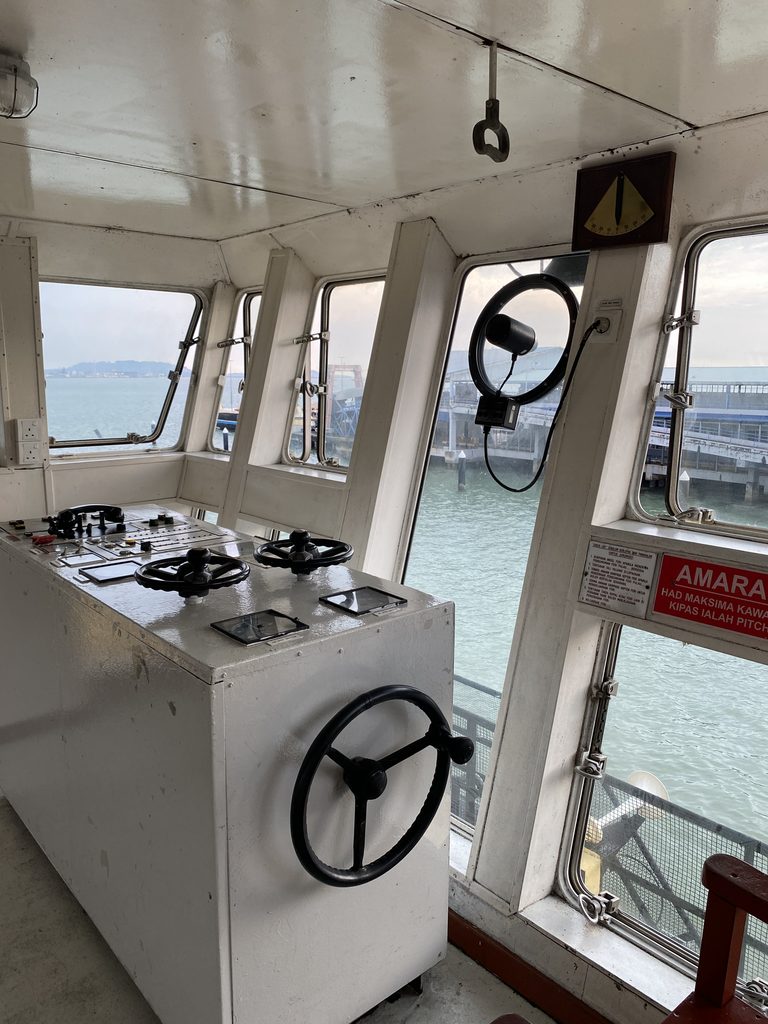
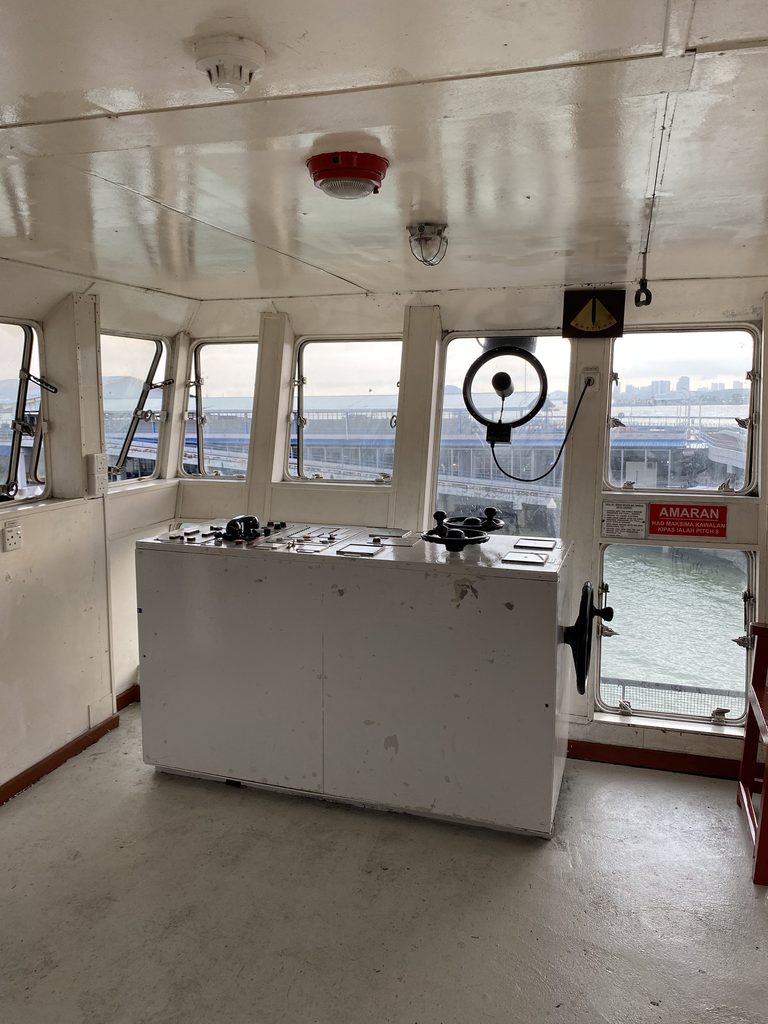
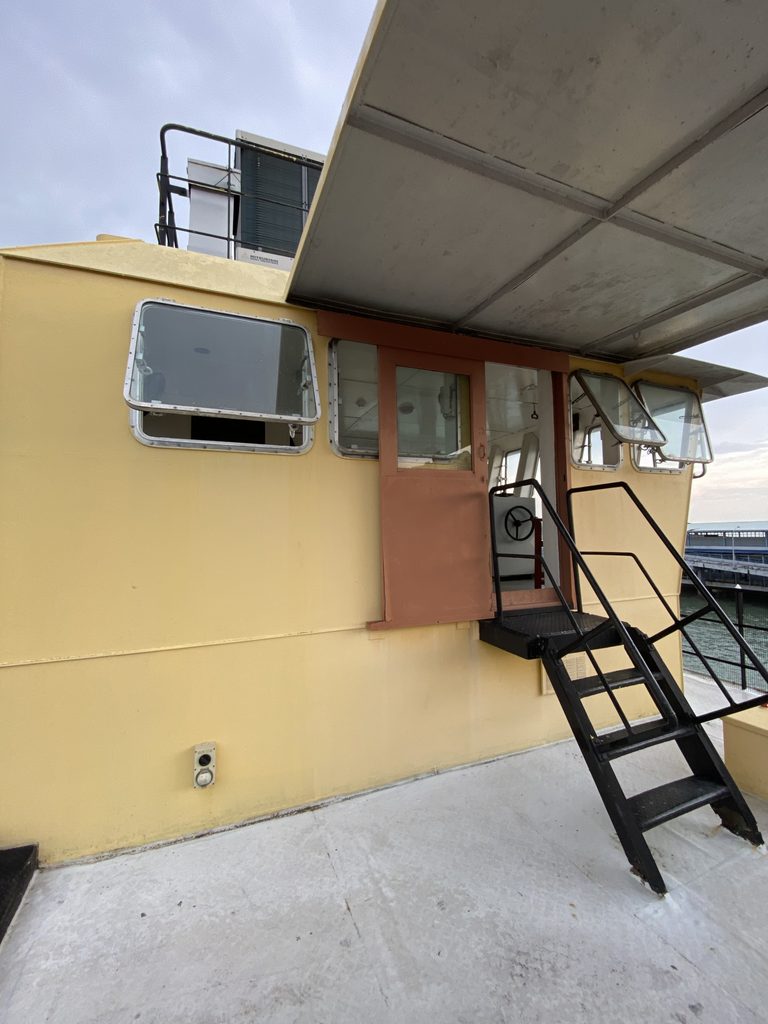
Now comes one of the best parts of the visit: the pilothouse on the third floor.
This is the room where the captain would steer the ferry, give directions and oversee the vessel’s journey. It is where decisions are made to guide the ship and bring its passengers safely towards their destinations.
The first thing that catches your attention is the ship’s steering wheel. Standing here, you can imagine what it must have been like to guide a large ferry across the water, with hundreds of passengers relying on the crew to get them where they needed to go.
But there is another reason I enjoyed this section.
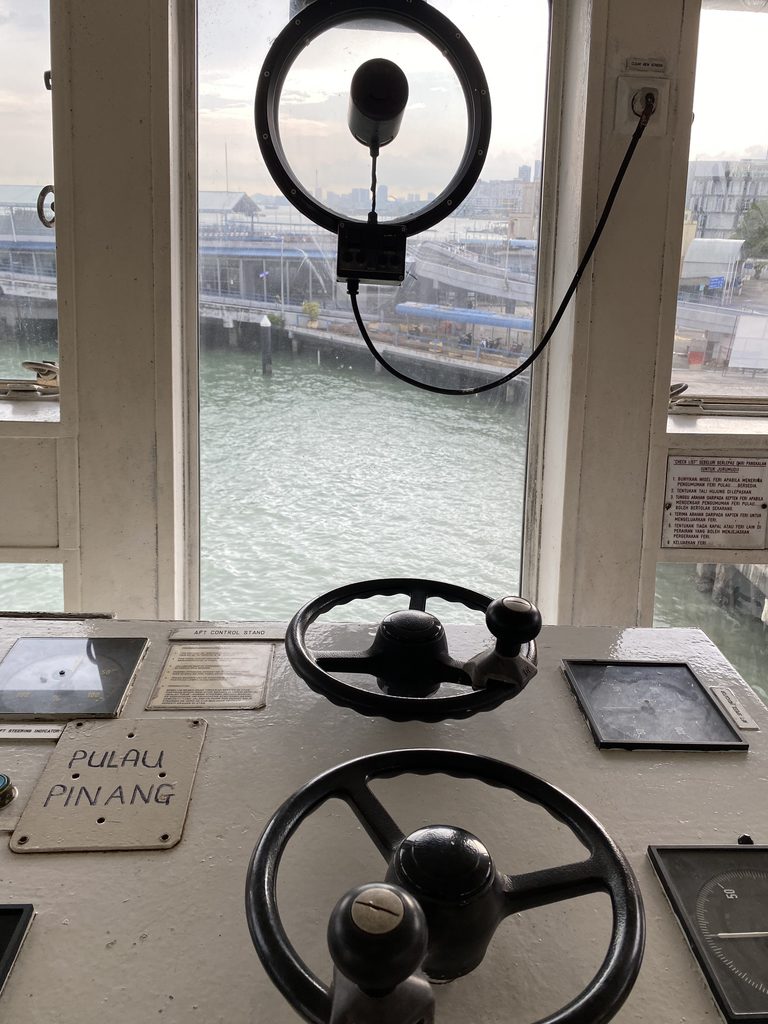
The view from the pilothouse.
Being higher up on the vessel gives you a wonderful vantage point over the surrounding area. The sea view is lovely, and the breeze feels particularly refreshing up here. On a rainy evening, the cool air makes the experience even more pleasant.
After walking through the various exhibition rooms, it feels good to pause for a while, enjoy the view and take in the surroundings.
If you enjoy taking photographs, this is also a lovely spot to capture the ferry from a different perspective.
For me, the pilothouse is one of those places where the museum experience becomes more than simply learning about history. You can stand where the captain once stood and imagine what life aboard the ferry might have been like.
Before You Leave: A Stop at the Souvenir Section
After enjoying the pilothouse, make your way down to the second floor, where you will find the souvenir section.
This is a good place to browse before continuing towards the exit. If you enjoy collecting little reminders of places you have visited, it is worth having a look at what is available.
Souvenirs can be a nice way to remember a trip, especially when the attraction itself has a strong connection to local history.
Once you have finished browsing, continue downstairs towards the ground floor. But do not rush out just yet. There are two more surprises waiting before you leave the ferry.
Two Vintage Cars Waiting for You at the Exit
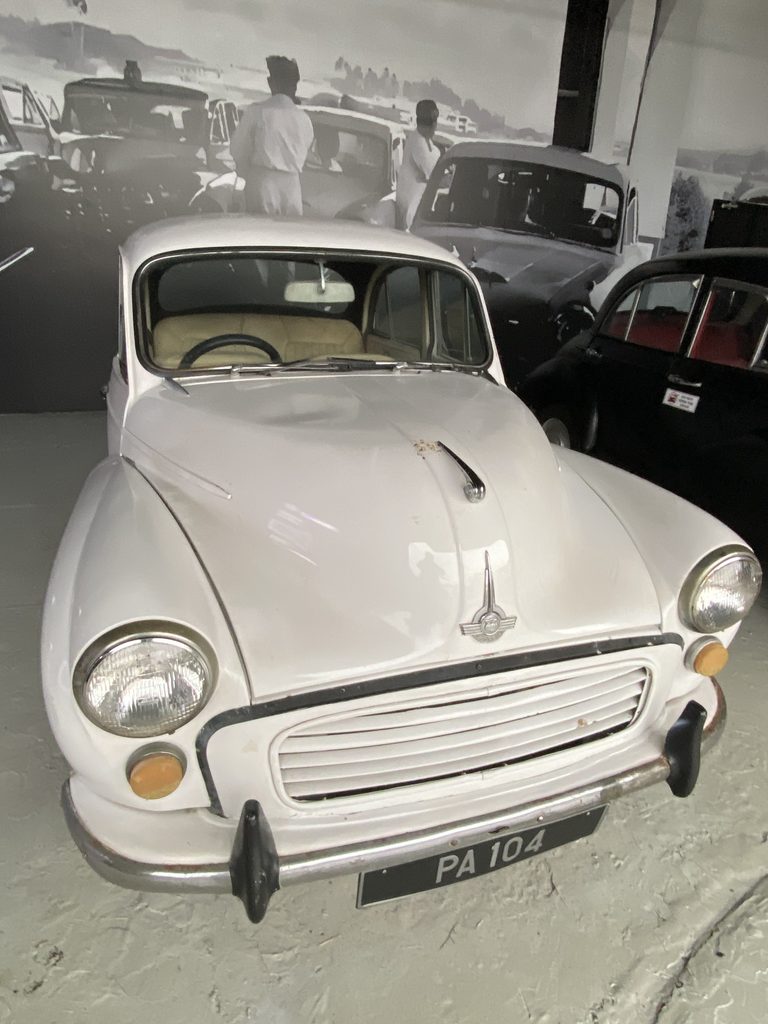
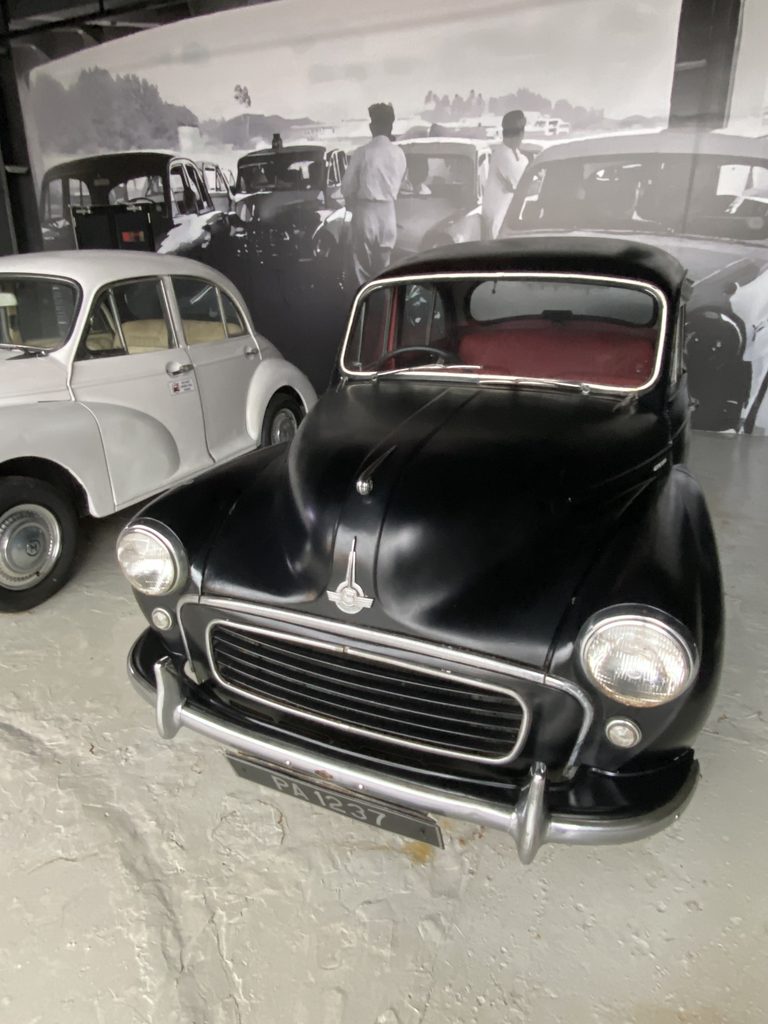
As you make your way towards the exit, you will come across two vintage cars: one black and one white.
These old beauties are quite a sight, especially if you appreciate classic vehicle designs.
Looking at them, you may notice how much car design has changed. Modern cars often focus on aerodynamics, technology and interior space, while these vintage vehicles have a character of their own. Their curves, chrome trims and simple yet unique lines can feel truly artistic.
Of course, the interiors are rather compact compared with those of many modern cars. But that is part of the charm. Cars from earlier generations were designed around different expectations, and stepping back to look at them offers a small glimpse into how people travelled in the past.
The black and white cars also make great photo subjects, especially for visitors who enjoy vintage aesthetics.
One last look, a few photographs, and it is almost time to say goodbye.
Bye-Bye, Ferry Museum — But the Sea View Is Still Waiting
And just like that, the visit comes to an end.
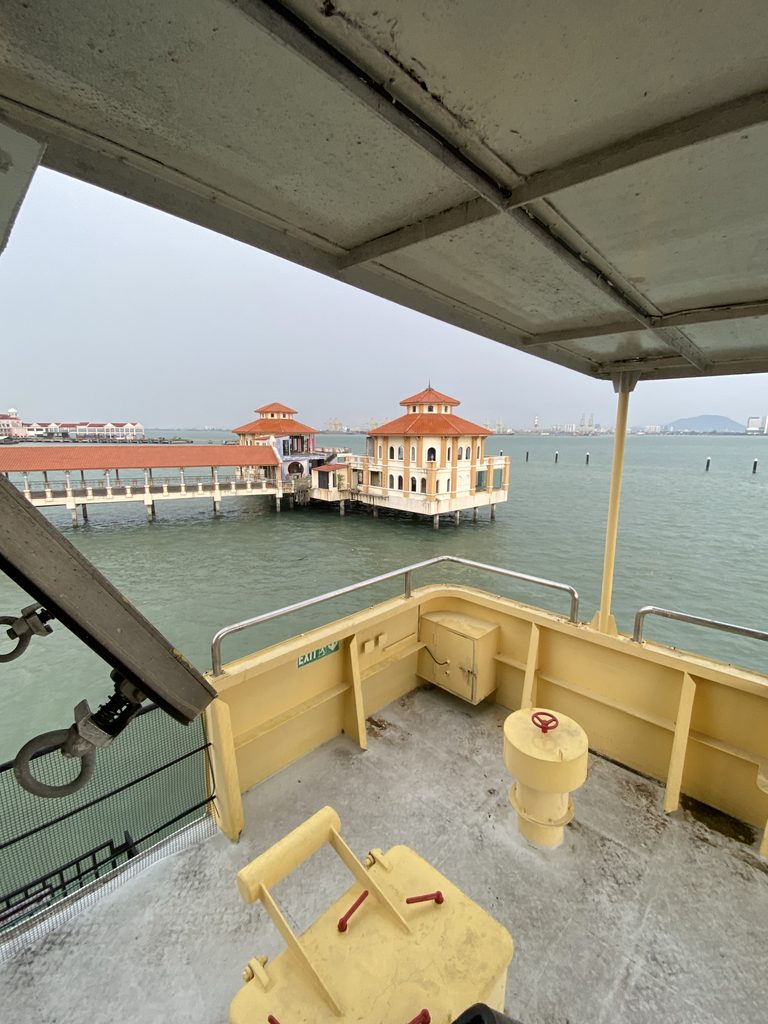
As you step off the ferry, you are greeted once again by the beautiful sea view and that soothing breeze. After spending time indoors exploring the vessel, it feels wonderful to be back outside, with the open water in front of you.
There is something rather satisfying about ending a museum visit this way. You begin with the sea, travel through the history of Penang’s ferries, explore the machinery and pilothouse, admire the vintage cars, and then return to the same coastal scenery.
The experience feels complete.
If you are looking for things to do in Penang beyond the usual shopping malls, cafés and food hunts, the Penang Ferry Museum is worth considering. It combines local history with interesting exhibits, interactive elements and lovely sea views.
You do not have to be a ferry enthusiast to enjoy it. Sometimes, the best way to appreciate a place is simply to step inside, take your time and let the stories unfold.
And if you visit on a rainy evening like I did, the cool breeze and peaceful sea views might just become part of the memory you take home.
Frequently Asked Questions
1. Is the Penang Ferry Museum worth visiting?
The Penang Ferry Museum is worth considering if you enjoy the ocean and breeze, maritime exhibits and unusual attractions. Visitors can explore the ferry’s history, ship models, safety equipment, engine room, children’s activity area and pilothouse. The vintage cars and surrounding sea views add further interest to the visit.
2. What can you see inside the Penang Ferry Museum?
The museum features historical displays about Penang’s ferry services, miniature ship models, maritime safety equipment, steering and navigation items, and a projection room showing the ferry’s history. Visitors can also explore the engine room, children’s activity area, pilothouse and souvenir section, before seeing two vintage cars near the exit.
3. Is the Penang Ferry Museum suitable for children?
The museum offers a children’s activity room where younger visitors can draw and fold ferry designs and play with ferry-themed building blocks. The ship models and historical displays may also interest curious children. However, the steep ladder leading to the engine room may not be suitable for everyone, so take care when exploring.
4. Can you enjoy sea views at the Penang Ferry Museum?
Yes. The area outside the ferry offers views of the sea and a refreshing breeze, while the pilothouse on the third floor provides an elevated viewpoint. These spots are particularly pleasant when the weather is cool. Visitors who enjoy photography may find several opportunities to capture the vessel and its surroundings.
5. What should I know before visiting the Penang Ferry Museum?
Check the museum’s official visitor information for current opening hours, ticket prices, booking requirements and access arrangements before your visit. Wear non-slippery footwear, take care on the stairs and steep ladder, and allow enough time to explore the different exhibition areas rather than rushing through them.


Post Comment