
Moving to Penang: 10 Things You Wish You Knew Earlier
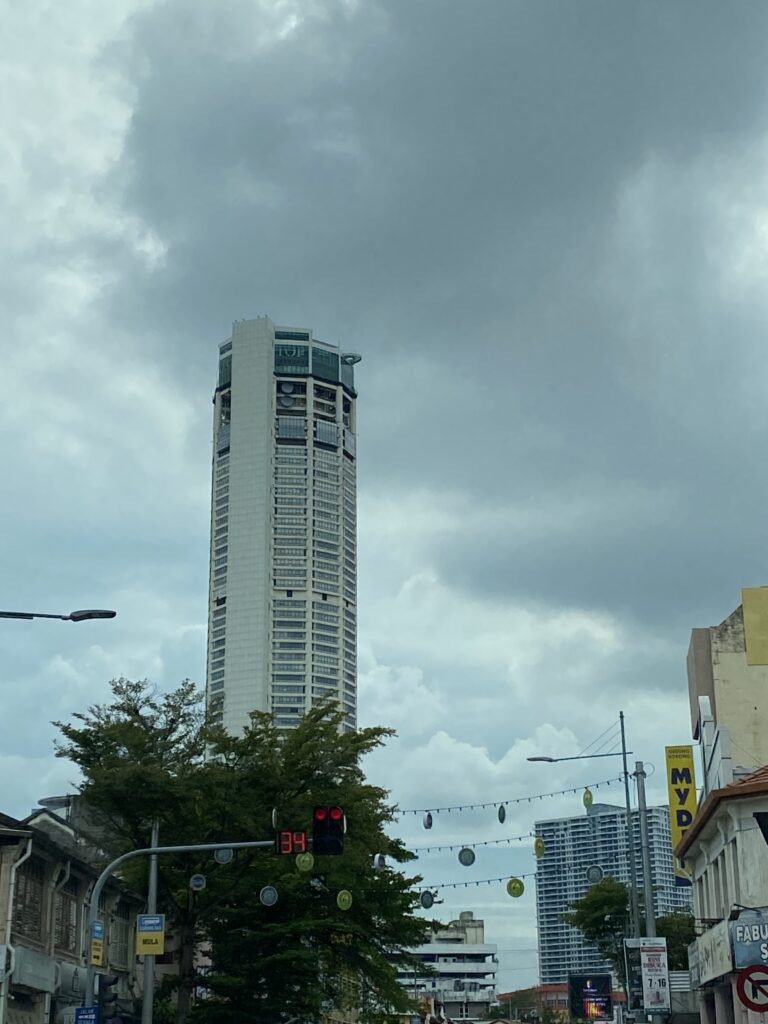
There’s a moment many people experience when they first arrive in Penang.
At first, everything feels like a discovery — the food, the colours, the rhythm of daily life that seems to move at its own pace. But slowly, the island stops feeling like a destination and begins to feel like somewhere you could belong.
And somewhere between finding your favourite coffee spot and learning which roads to avoid during rush hour, a quiet thought appears:
I wish I had known this earlier.
Moving to Penang is rarely difficult — but understanding how life actually works here takes time. Some things reveal themselves slowly. Others only become obvious once you’ve settled into routine.
Here are ten things many expatriates realise after living here longer than they first planned.
1. Choosing the right neighbourhood matters more than you think
Penang is small enough that everywhere feels connected — but each neighbourhood creates a completely different daily experience.
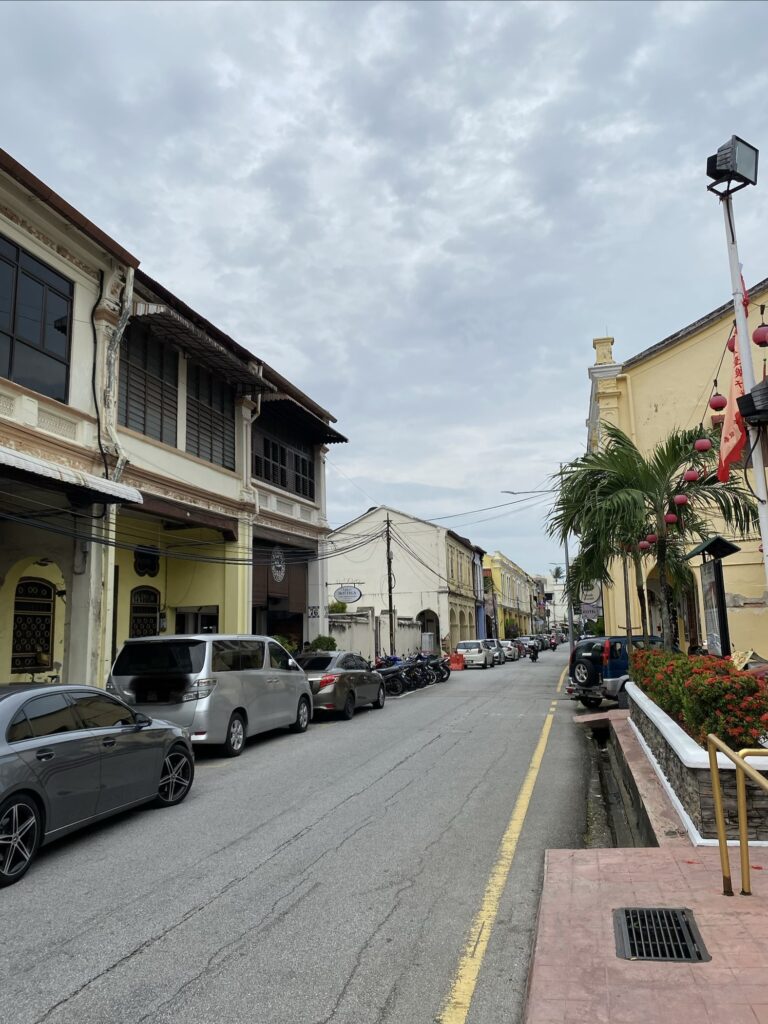
Living in Pulau Tikus feels different from waking up in Batu Ferringhi. George Town offers energy and heritage charm, while Tanjung Bungah feels slower and more residential. Read more: Where Expats Live in Penang: Neighbourhood Guide (2026)
Newcomers often focus on rent prices first. But long-term comfort usually comes from how easily your daily routines fit your surroundings — grocery runs, traffic patterns, evening walks, and proximity to places you visit regularly.
For cost of living in Penang, read:
2. Traffic isn’t about distance — it’s about timing
One of the first surprises is how unpredictable travel time can be.
A short drive on the map doesn’t always feel short during peak hours. For instance, if you live in Tanjung Tokong, reaching the airport on non-peak hours would take only 30 minutes or less while on peak hours, travel time can easily range from 45 to 60 minutes.
Morning and evening traffic flows shape how people move around the island, and choosing where to live relative to work or school can make a significant difference to everyday stress.
Many residents eventually organise their routines around quieter hours rather than shorter distances.

3. Eating out becomes part of daily life
In many cities, dining out feels like a special occasion. In Penang, it becomes normal.
Hawker centres, kopitiams, and small local eateries make it easy to eat well without spending excessively. Over time, many expats cook less than they expected — not because they have to, but because the food culture makes everyday meals simple and enjoyable.
Food stops feeling like a cost and becomes part of the rhythm of living here.
4. The heat takes time to understand
Penang’s tropical climate isn’t just about temperature — it’s about humidity.
The midday sun can feel intense at first, and newcomers often underestimate how much air-conditioning shapes daily comfort. Over time, many residents adjust their schedules naturally: mornings and evenings become more active, while afternoons slow down.
Learning to move with the climate rather than against it makes life here feel easier.
5. A car isn’t always necessary — but sometimes it helps
Some expats arrive expecting to drive everywhere, while others plan to rely entirely on ride-hailing services.
The reality sits somewhere in between.
Living in walkable areas like Pulau Tikus or central parts of George Town can make daily life manageable without owning a car. Families or those living further from central neighbourhoods may find driving more practical.
Many residents start without a car and decide later once they understand their routines.
6. Penang feels different on weekdays versus weekends
Weekend Penang and weekday Penang can feel like two different places.
Popular areas become busier with visitors, while weekdays return to a calmer local rhythm. This difference often influences where people choose to live — some prefer being close to lively areas, while others appreciate quiet evenings away from tourist zones.
Understanding this contrast helps set realistic expectations about daily life.

7. The island’s pace encourages slower living
Many expatriates arrive expecting to maintain the same speed of life they had before.
But Penang gently reshapes routines.
Errands may take longer, conversations linger, and evenings feel less rushed. What initially feels slower eventually becomes one of the island’s most valued qualities — a pace that allows time to breathe.
8. Small daily costs matter more than big expenses
While rent is often the largest single expense, everyday habits shape real monthly spending.
Frequent café visits, imported groceries, or regular ride-hailing trips quietly add up over time. At the same time, affordable local food and relatively accessible services can balance those costs.
Knowing these small patterns early helps newcomers find financial comfort faster.
9. Community builds gradually
Penang doesn’t always reveal itself immediately.
Friendships and routines grow slowly — through familiar faces at neighbourhood cafes, conversations with local shop owners, or regular visits to the same markets.
The sense of belonging often arrives quietly rather than dramatically.

10. It may feel more like home than you expected
Perhaps the most unexpected realisation is how easily life settles into rhythm here.
What begins as curiosity turns into familiarity. Favourite routes become instinctive. The island stops feeling like somewhere you are visiting and starts feeling like somewhere you live.
And often, that shift happens without you noticing.

Summing up
Moving to Penang isn’t just about relocation — it’s about adjustment.
Some lessons come quickly, others only after months of living, observing, and adapting. But once routines fall into place, many people discover that the island offers something rare: a lifestyle that feels balanced without trying too hard.
And sometimes, the things you wish you had known earlier become the stories you share with the next person arriving.
FAQs: Moving to Penang
1) Is Penang a good place for expatriates to live long term?
Yes, many expatriates find Penang comfortable long term due to affordable living, accessible healthcare, diverse food culture, and a relaxed lifestyle.
2) What is the biggest adjustment when moving to Penang?
Most newcomers adjust to the tropical climate, slower pace of daily life, and learning how traffic patterns shape routines and commuting choices.
3) Should I rent before deciding where to live permanently in Penang?
Yes, renting first allows newcomers to experience different neighbourhoods, understand daily routines, and choose locations that match their lifestyle and comfort.


Post Comment