
What Does It Really Cost to Live in Penang in 2026? (Realistic Monthly Breakdown)

There’s a moment that happens quietly for many people when they first arrive in Penang.
It might be during a slow morning walk along the coast, or while sitting in a small café watching the city wake up. The thought appears, almost unexpectedly:
Could I actually live here?
And soon after comes the practical question — one that matters as much as sunsets or scenery:
What does it really cost to live in Penang?
In 2026, the answer is less about a fixed number and more about how you choose to live. Penang offers something rare: a place where comfort and affordability can coexist, but where small lifestyle decisions shape your monthly reality more than you might expect.
In this guide, I explore the real cost of living here — not through idealised travel budgets, but through everyday rhythms experienced by a local Penangite.
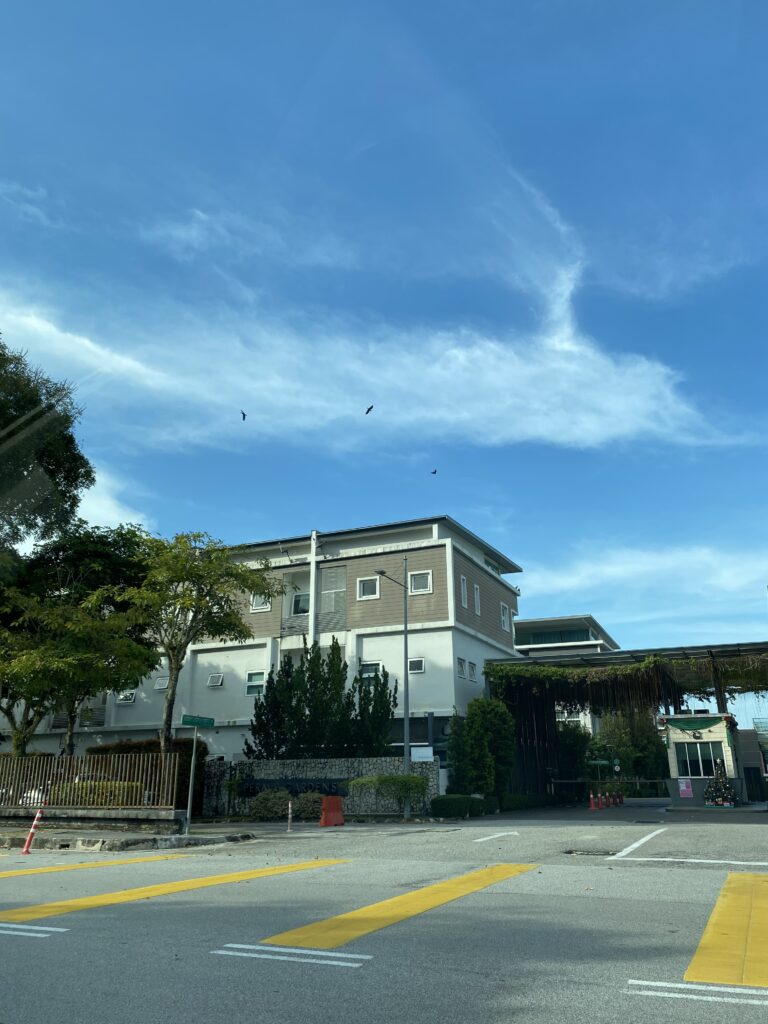
The first thing to understand: Penang is flexible
Many online cost guides try to give a single number, but Penang doesn’t work that way.
Two people can live on the same island with very different monthly expenses simply because their routines differ. One may prioritise walkability and cafés in Pulau Tikus, while another prefers quiet sea views in Tanjung Bungah. One cooks often; another eats out daily.
Rather than asking whether Penang is cheap or expensive, a better question might be:
What kind of lifestyle do you want your days to feel like?
Once that becomes clear, the costs begin to make sense.
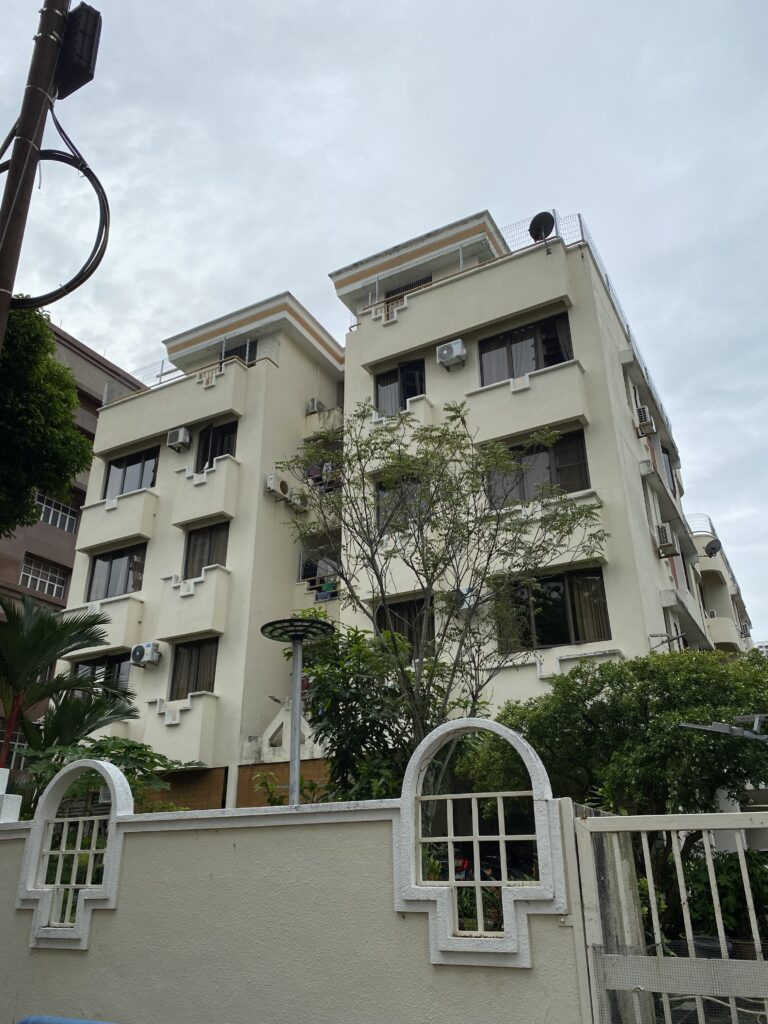
A realistic sense of monthly living costs
While every situation is different, most expatriates fall into a few general ranges.
A single person living comfortably — not excessively — often spends between RM5,000 and RM7,500 monthly. Couples sharing expenses may find balance between RM7,000 and RM11,000. Families vary more widely, especially when international schooling becomes part of the picture.
These ranges reflect everyday living rather than luxury. They assume normal routines: regular dining out, air-conditioning during warmer nights, and occasional weekend outings.
A quick reference guide (2026 realistic ranges)
Single expat
- Budget-conscious lifestyle: RM3,500 – RM5,000
- Comfortable everyday living: RM5,000 – RM7,500
- Premium lifestyle: RM8,000+
Couple
- Comfortable shared lifestyle: RM7,000 – RM11,000
- Higher-end living: RM12,000+
Family with children
- Typical range: RM12,000 – RM20,000+
- Highly dependent on schooling choices and housing
These numbers are not strict budgets — they simply reflect where many expatriates eventually find balance.
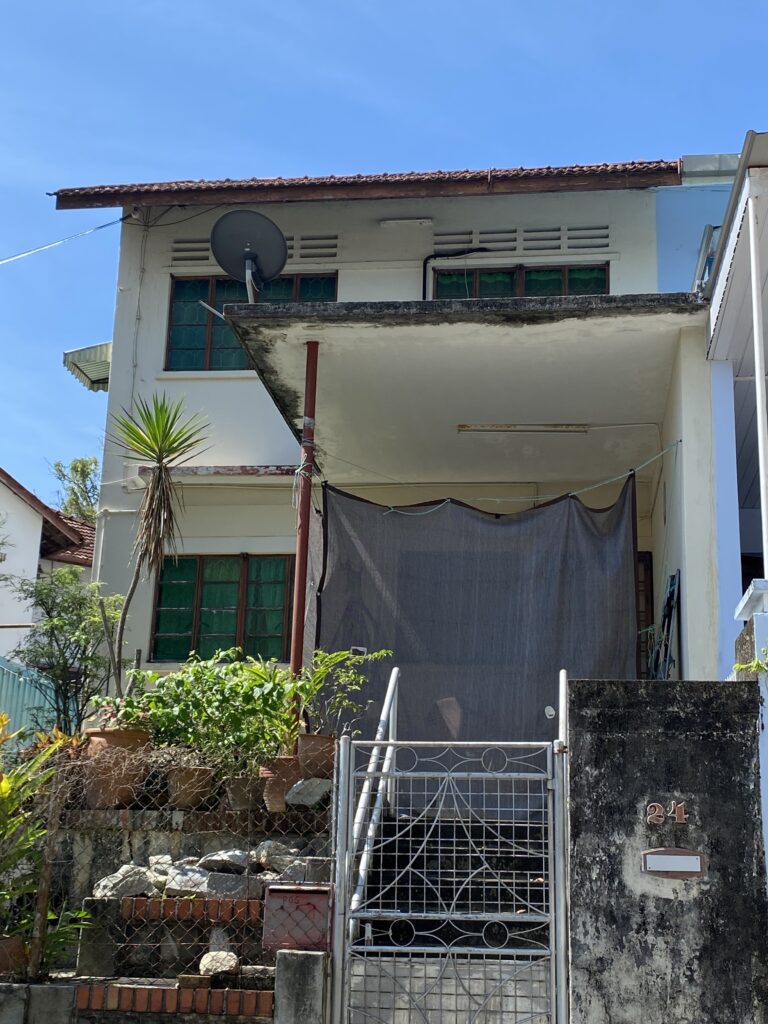
Housing quietly defines your experience
Housing tends to shape both lifestyle and budget more than any other factor.
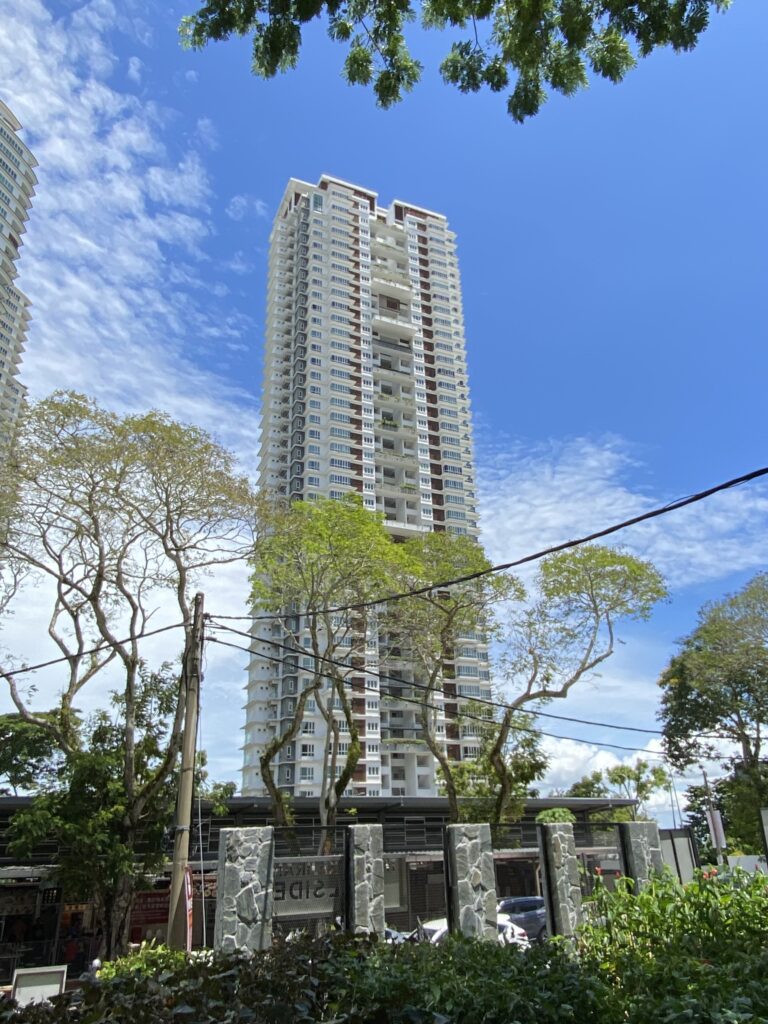
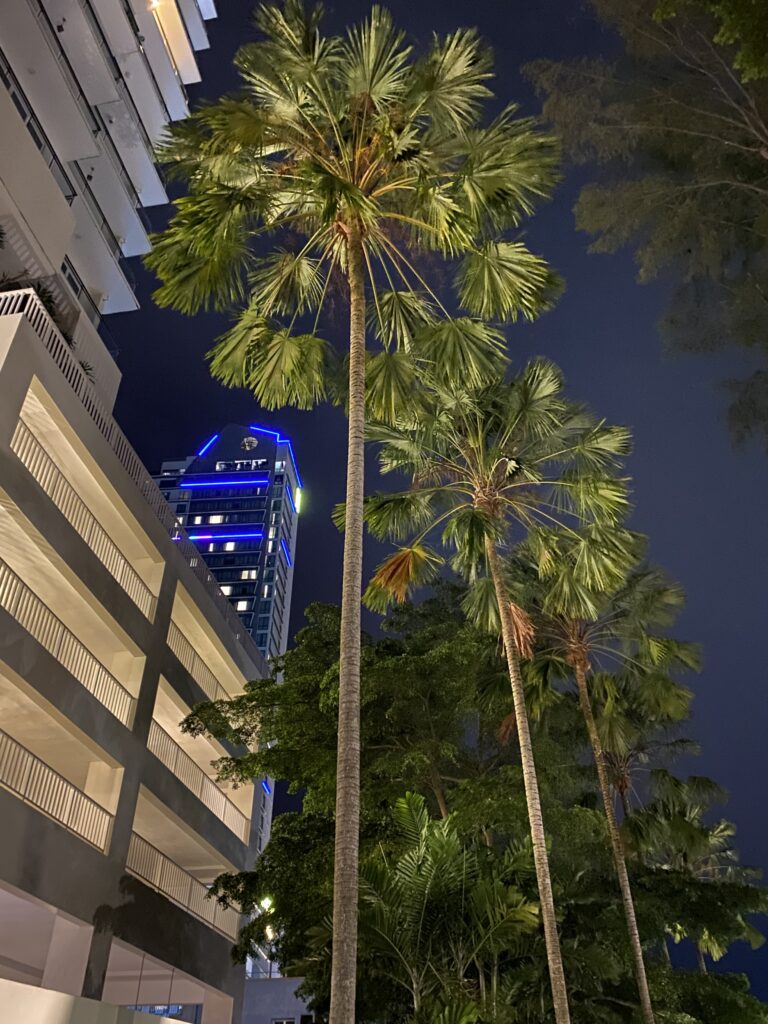
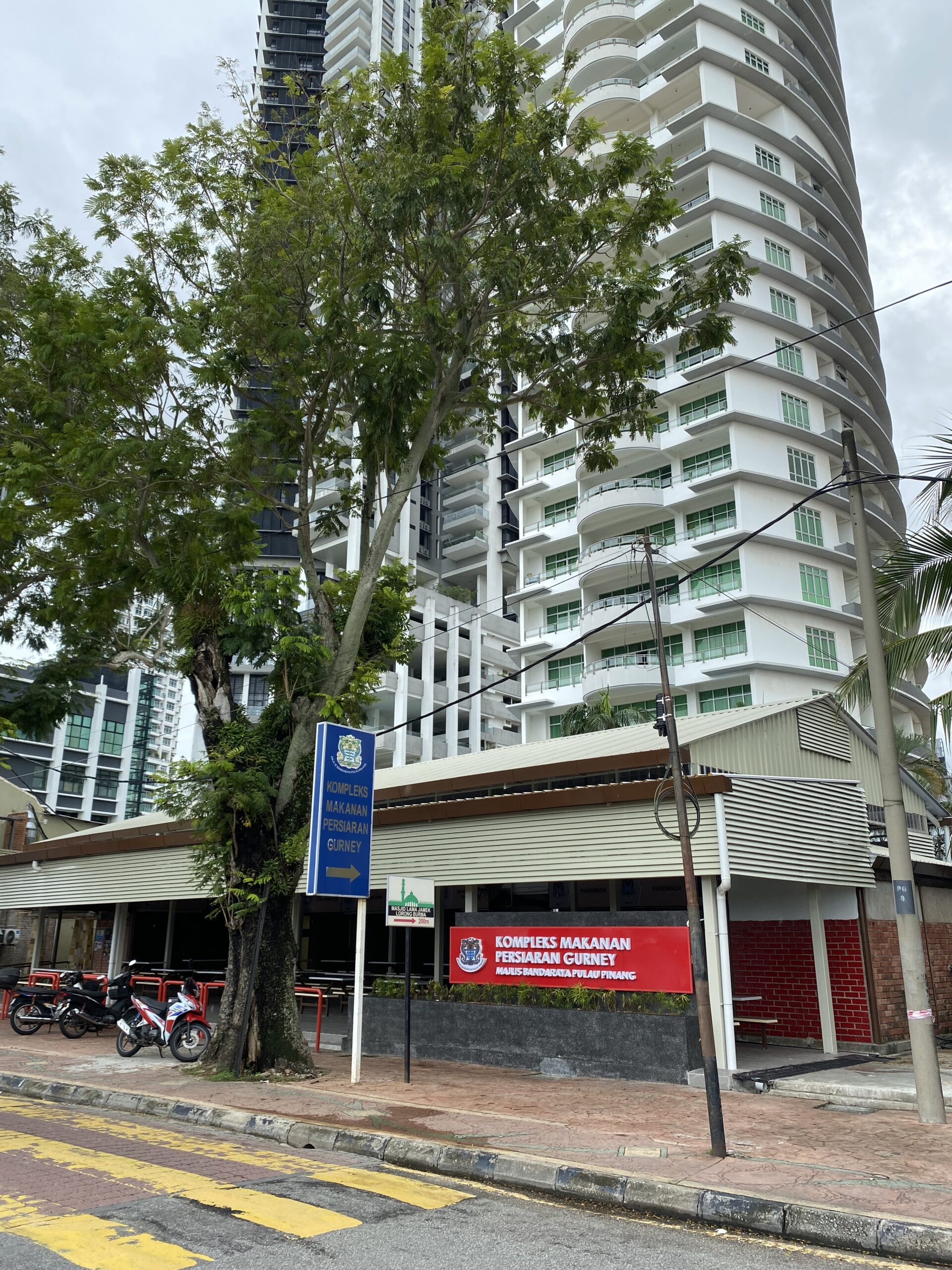
Some newcomers are drawn immediately to central areas like George Town or Gurney, where daily conveniences are close at hand. Others discover that neighbourhoods further along the coast, such as Tanjung Bungah, offer a slower pace, where mornings begin with ocean air rather than traffic.
Rental prices vary, but what often surprises expats is how much flexibility exists between older apartments, modern developments, and premium sea-facing properties.
Over time, many residents realise that choosing the right neighbourhood matters more than choosing the lowest rent.
Typical rental ranges in 2026 often fall into these categories:
- Older apartments: RM1,200 – RM2,500/month
- Modern condominiums: RM2,500 – RM5,500/month
- Premium sea-view properties: RM6,000+
Neighbourhood differences also influence pricing and lifestyle:
- Tanjung Bungah / Batu Ferringhi — quieter coastal living with more space
- Pulau Tikus / Gurney area — walkability and convenience, often higher demand
- Bayan Lepas — practical pricing near work hubs
- Mainland Penang — larger homes and stronger value
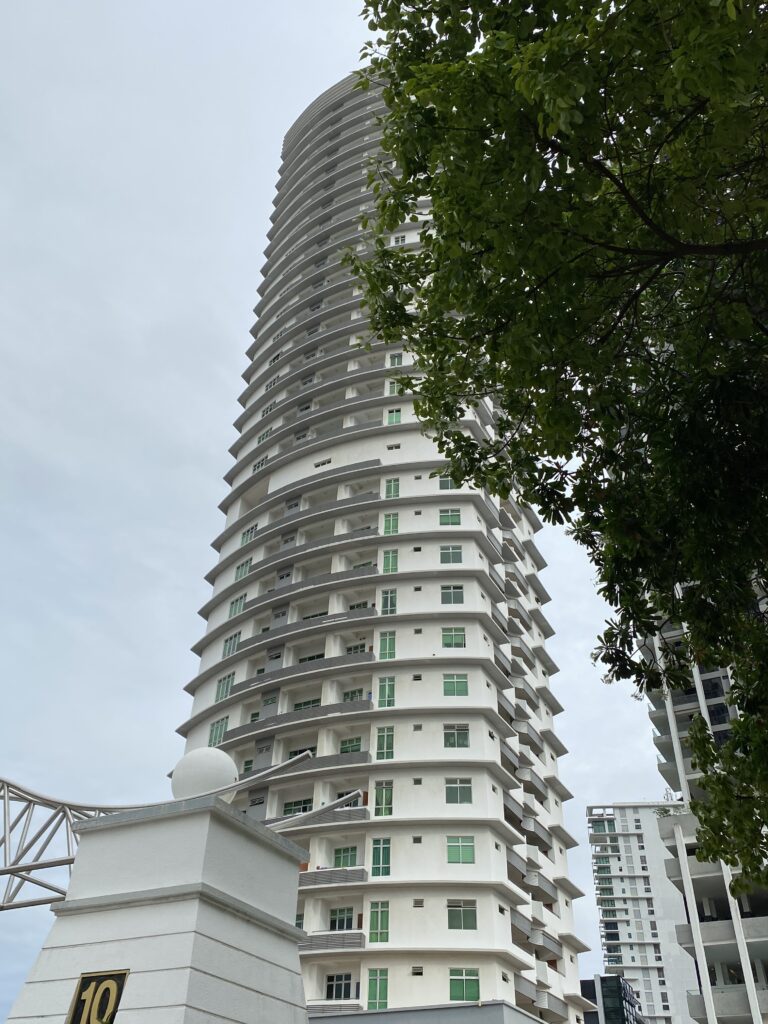
Food: where Penang feels unexpectedly generous
Food plays a unique role in shaping living costs here.
In many cities, frequent dining out becomes a luxury. In Penang, it becomes routine. Local hawker meals remain accessible, often costing less than cooking elaborate meals at home. A simple breakfast, an afternoon kopi, or a shared dinner with friends can feel indulgent without stretching your budget.
Typical meal costs many residents experience:
- Local hawker meals: RM8 – RM15
- Cafe brunch: RM25 – RM45
- Mid-range restaurant dinner: RM40 – RM80 per person
Monthly food spending varies widely, but many expatriates fall somewhere between RM800 and RM2,000 depending on dining habits.

Daily spending grows from small habits
Beyond housing and food, living costs in Penang are shaped by ordinary choices.
Groceries, for example, can vary dramatically depending on whether you prefer local wet markets or imported brands from international supermarkets. Both options exist, and most residents find their own balance between them.
Transportation works similarly. Some people rely almost entirely on ride-hailing services, especially if they live near central neighbourhoods. Others prefer owning a car for flexibility, particularly families or those commuting across different parts of the island.
Common transportation ranges:
- Short Grab rides: RM7 – RM15
- Cross-island trips: RM60 – RM80
- Estimated car ownership costs: RM800 – RM1,500+ monthly depending on usage
These choices rarely feel significant day to day — but over months, they define the true cost of living.

Utilities and everyday comfort
Electricity bills often reflect lifestyle more than anything else. Air-conditioning, while essential during warmer months, can quickly change monthly expenses depending on usage habits.
Typical ranges include:
- Electricity: RM120 – RM350
- Water: RM10 – RM30
- Internet: RM100 – RM150
- Mobile plan: RM30 – RM80
Internet, water, and mobile connectivity remain relatively affordable compared to many international cities, contributing to the overall sense that daily life in Penang remains manageable.
Healthcare and peace of mind
Healthcare is another area where Penang offers reassurance.
Routine visits to private clinics are accessible, and many expatriates appreciate the balance between quality care and reasonable pricing. Some choose comprehensive insurance, while others rely on out-of-pocket payments for routine needs.
Small costs newcomers sometimes overlook
A few expenses quietly shape real monthly budgets:
- Initial rental deposits (often two months’ rent plus utilities deposit)
- Higher electricity bills during heavy air-conditioning use
- Imported groceries costing significantly more than local options
- Weekend travel or short trips becoming part of lifestyle spending
None of these are overwhelming — but they help explain why real budgets feel different from early expectations.
A realistic example of a comfortable monthly lifestyle
Imagine a single expat living in a modern condo near the coast, eating local meals regularly while enjoying occasional café visits and weekend activities.
Rent might sit around RM3,000 to RM3,500. Food and groceries could total around RM1,200 or less. Transport, utilities, and leisure spending together might add another RM1,500 to RM2,000.
Without feeling restrictive, this lifestyle often settles somewhere around RM5,500 to RM6,500 per month — comfortable, balanced, and sustainable for many.
So, is Penang still affordable in 2026?
Affordability here is less about finding the lowest prices and more about finding the right rhythm.
Penang allows many expatriates to live well without constant financial pressure. The ability to adjust spending — through neighbourhood choice, food habits, or transport decisions — gives residents flexibility that larger cities often lack.
And that flexibility is perhaps the real answer to the original question.

A final thought
Living costs eventually stop feeling like calculations.
They become morning walks, familiar coffee shops, short drives between neighbourhoods, and evenings that feel calm rather than rushed.
The real cost of living in Penang is not just about what you spend — but how easily life begins to feel balanced once you arrive.
FAQs: Cost of Living in Penang (2026)
1) Is Penang affordable for expatriates in 2026?
For many expatriates, Penang remains affordable compared to major international cities. A comfortable lifestyle for a single person often falls between RM5,000 and RM7,500 monthly, depending on housing choices, dining habits, and transport preferences.
2) What is the biggest monthly expense when living in Penang?
Housing is usually the largest expense. Rental prices vary widely depending on neighbourhood, property age, and whether you choose a modern condo or an older apartment. Location often affects lifestyle more than price alone.
3) Can expats live in Penang without owning a car?
Yes, many expats rely on ride-hailing services like Grab, especially if living in walkable areas such as Pulau Tikus or parts of George Town. However, families or those living further from central areas may find owning a car more convenient.
4) How much should a couple budget monthly to live comfortably in Penang?
Many couples find a balanced lifestyle between RM7,000 and RM11,000 per month. This typically includes rent, food, utilities, transportation, and regular leisure activities without strict budgeting.
5) Is eating out expensive in Penang?
Eating out can be surprisingly affordable due to the strong local food culture. Hawker meals often range from RM8 to RM15, making it possible to dine out regularly without significantly increasing monthly expenses.
6) Which areas of Penang offer better value for housing?
Neighbourhoods such as Bayan Lepas or mainland Penang often offer larger spaces or lower rental costs compared to central coastal areas. Tanjung Bungah and Batu Ferringhi may offer more space and quieter living, while Pulau Tikus and Gurney prioritise convenience and walkability.


Post Comment